 +86 18531742341
Leave Your Message
Buying Scaffold Ringlock systems across borders requires more than comparing prices on a supplier’s quotation. A reliable purchase begins with clear technical requirements, verified materials, and practical site knowledge. Buyers should examine rosette thickness, standard diameter, ledger dimensions, welding quality, and surface protection. Small differences can affect assembly speed and structural performance. A poorly finished rosette may catch gloves or prevent a ledger from seating correctly. That detail matters on a busy construction site.
This guide presents ten practical buying tips for global buyers. It considers load requirements, product testing, dimensional tolerances, galvanizing quality, packaging, documentation, and supplier communication. Experienced procurement teams should request drawings, material certificates, inspection reports, and recent production photographs. Independent checks can provide extra confidence when order values are high. A supplier’s factory appearance alone proves little. Ask better questions. Confirm every claim. Do not rely only on a polished catalogue.
Shipping also deserves careful attention. Count bundles, protect threaded or joint areas, and confirm container loading plans before dispatch. Salt air, poor wrapping, and uncontrolled stacking can damage finished components. A low price may look convincing. It may also hide weaker steel, inconsistent welding, or incomplete accessories. No checklist is perfect. Buyers should review real project conditions and invite an engineer to verify assumptions. The strongest decision balances safety, durability, total landed cost, and dependable after-sales support. That balance takes patience, especially when product samples and production batches do not match perfectly.
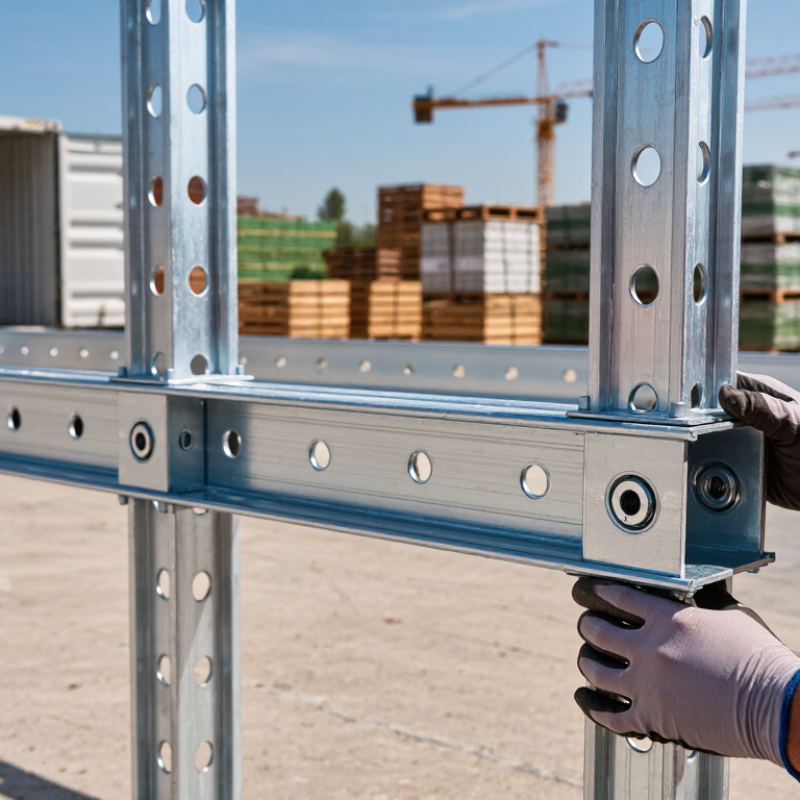
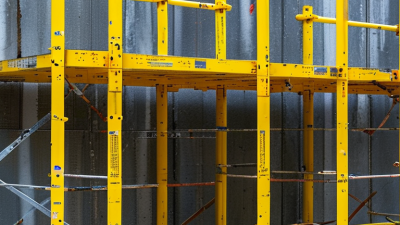
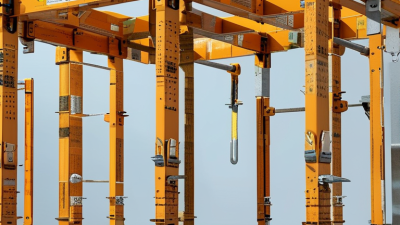
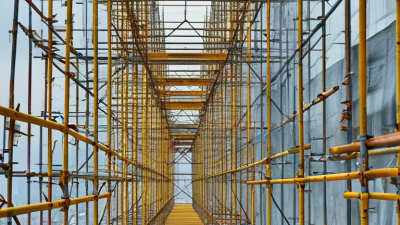
Ringlock scaffolding is a modular access and support system. It connects vertical standards with horizontal ledgers and diagonal braces. Each standard carries circular rosettes, while wedge heads lock into these connection points. This creates a rigid frame without relying on many loose fittings.
The main components deserve careful inspection. Standards set the scaffold height and transfer loads downward. Ledgers control bay width and support working platforms. Diagonal braces reduce sway, especially on tall or exposed structures. Base jacks adjust uneven ground and help distribute pressure through base plates. Steel or aluminum decks provide the working surface. Guardrails, midrails, toe boards, and access ladders protect workers from falls and unsafe climbing routes.
Small details matter.
During practical site inspections, damaged rosettes, bent wedges, and incomplete welds appear more often than buyers expect. A single weak connection can affect the whole bay. Buyers should verify tube diameter, wall thickness, steel grade, surface treatment, and dimensional tolerances. Galvanized surfaces may resist outdoor corrosion, but poor drainage still creates rust around joints. Ask for load tables, inspection records, material certificates, and assembly instructions written for the supplied configuration.
Do not compare prices using component counts alone. A package with fewer braces or missing base adjustments may look cheaper, yet require costly corrections on site. One point deserves reflection: supplier drawings may show an ideal layout, while real ground conditions rarely cooperate. Independent technical review remains sensible before procurement, especially for high platforms, heavy loads, or unusual elevations.
| No. | Buying Dimension | What to Verify | Relevant Technical Facts | Why It Matters |
|---|---|---|---|---|
| 1 | Understand the Ringlock System | Confirm that the quotation covers a modular node-based scaffold system rather than only loose tubes and clamps. | Ringlock scaffolding connects vertical standards, horizontal ledgers and diagonal braces through rosette-and-wedge connections. A standard rosette commonly has eight connection openings. | Understanding the system prevents missing components and helps buyers compare complete working platforms instead of comparing isolated pieces. |
| 2 | Check the Main Components | Request a component list including standards, ledgers, braces, base collars, adjustable base jacks, platforms, guardrails, toe boards, access stairs and locking pins where required. | Standards carry vertical loads; ledgers provide horizontal support; braces provide stability; base jacks level the structure; platforms create working areas; guardrails and toe boards provide edge protection. | A complete bill of materials reduces installation delays and avoids additional freight or emergency purchases. |
| 3 | Select the Correct Standard Lengths | Confirm the vertical standard length, rosette spacing, spigot type and connection method required for the intended layout. | Common rosette level intervals include 0.5 m, 1.0 m, 1.5 m and 2.0 m, but available configurations vary by system and project requirements. | Compatible levels and standard lengths improve platform planning and prevent mismatched connections between batches. |
| 4 | Verify Material and Corrosion Protection | Ask for the steel grade, tube dimensions, wall thickness, welding method and surface treatment documented for each major component. | Ringlock parts are commonly manufactured from structural steel and protected with hot-dip galvanizing, electro-galvanizing or paint. Hot-dip galvanizing generally provides better outdoor corrosion resistance than ordinary paint. | Material and coating affect load performance, service life, maintenance requirements and suitability for humid or coastal environments. |
| 5 | Confirm Load and Design Requirements | Define platform width, bay length, scaffold height, working load, imposed loads, wind exposure, ties, foundations and access arrangements before ordering. | Scaffold capacity depends on the complete configuration, including bay geometry, bracing, tie pattern, base conditions and load distribution. Component capacity alone does not establish system capacity. | A project-specific design or calculation is essential for safe use and should be completed by a competent person under the applicable local requirements. |
| 6 | Match the Applicable Standards | Identify the destination-country requirements and request relevant test reports, material certificates, dimensional inspection records and quality documents. | EN 12810 and EN 12811 address facade scaffolds and temporary works equipment in European practice. Other markets may use different national standards or regulations. | Standards affect design acceptance, inspections, insurance, project approval and import documentation. |
| 7 | Inspect the Rosette and Wedge Connection | Check rosette flatness, opening dimensions, weld quality, wedge fit, pin retention and the ability of the connection to seat fully without excessive looseness. | The ledger or brace head is placed against the rosette and secured by driving a wedge through the connection. Proper seating and locking are necessary for reliable load transfer. | Poorly formed nodes or loose wedges can create instability, difficult erection and inconsistent performance. |
| 8 | Evaluate Platforms and Safe Access | Specify platform type, dimensions, anti-slip surface, access openings, ladder or stair arrangement, guardrails and toe-board provisions. | Platforms may be steel or aluminium and may include hooks, ribs or perforations. Platform selection must consider span, working load, access and compatibility with the ledgers. | Safe access and edge protection are separate requirements from the load-bearing frame and should not be omitted from the purchase order. |
| 9 | Review Tolerances and Interchangeability | Request dimensional tolerances for tube diameter, wall thickness, rosette position, spigot fit, ledger length and brace connection points. | Ringlock components from different production systems may look similar but may not be dimensionally interchangeable. Mixing parts should be approved only after compatibility checks. | Consistent tolerances improve erection speed, reduce unwanted movement and support future expansion of the inventory. |
| 10 | Calculate Total Landed Cost and After-Sales Support | Compare product price, packaging, container utilization, shipping, duties, inspection costs, spare parts, replacement policy and technical documentation. | Steel scaffolding is heavy and freight cost depends strongly on total weight, packing method, loading efficiency and delivery distance. | The lowest unit price may not be the lowest total cost. Clear documentation and spare-component availability support safe long-term operation. |