How to Choose Scaffold Ringlock for Global Projects 2026?
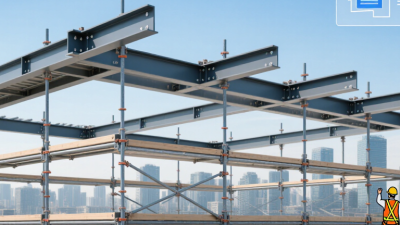
Choosing Scaffold Ringlock for global projects in 2026 requires more than comparing prices and catalog photographs. Project conditions change sharply between coastal ports, crowded city sites, and remote industrial locations. A suitable system must match the required load, working height, platform width, access method, and local compliance expectations. It should also remain practical for workers assembling it under pressure.
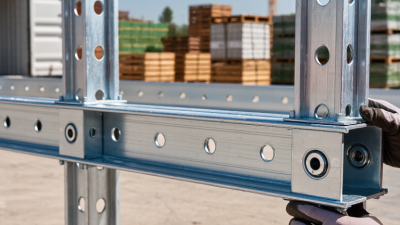
Experienced contractors inspect the details closely. They check rosette welds, ledger pins, base jacks, plank dimensions, and hot-dip galvanizing quality. A clean connection should seat fully without excessive force. Damaged threads or loose wedges can signal poor control. Supplier documentation should include material grades, load tables, inspection procedures, traceability records, and independent test evidence. Local engineers must confirm whether the system aligns with applicable standards and project specifications.
Global procurement adds another layer of risk. Spare components, packaging quality, delivery schedules, and technical support can affect safety as much as the steel itself. Ask how the supplier handles replacement parts across borders. Clarify training, site inspections, and responsibility for design verification. A cheaper frame may become expensive when one missing ledger delays a work zone.
No checklist is perfect. Even reputable systems can fail when foundations are uneven, ties are missing, or crews improvise. That uncomfortable point deserves attention. A reliable selection process combines manufacturer evidence, competent engineering review, worker feedback, and disciplined site inspections. The best Scaffold Ringlock choice is not merely strong. It is understandable, maintainable, documented, and suited to real working conditions in 2026.
Define Ringlock Scaffolding by EN 12810 and EN 12811 Performance Classes
How to Choose Scaffold Ringlock for Global Projects 2026?
For global projects, define ringlock scaffolding through EN 12810 and EN 12811 performance requirements. Do not choose by joint appearance alone.
EN 12810 addresses prefabricated facade scaffolds, including dimensions, access, stability, and load performance. EN 12811-1 provides broader design principles for temporary works equipment, including load classes, serviceability, and structural safety.
Check the declared load class against real site demands. Stored materials, workers, wind, platforms, and sheeting can change the calculation.
A Class 3 platform may suit general brickwork, while heavier operations may require a higher class. Confirm platform width, bay length, anchorage, base adjustment, and guardrail arrangement. Every detail matters.
Review test reports, design calculations, material traceability, and installation instructions from qualified technical personnel.
On site, measure the first bays carefully. Check rosette connections, ledger seating, vertical alignment, and foundation contact before adding height.
I have seen teams trust a familiar layout too quickly. That habit deserves criticism. A compliant component can still perform poorly when mixed, overloaded, or incorrectly anchored.
Local wind data and national construction rules may add requirements beyond the European standards. Ask for project-specific verification, not a generic certificate.
Reliability comes from matching the declared performance class to the actual structure, workload, environment, and erection method.
Match Bay Loads to 2.0–6.0 kN/m² Requirements Under EN 12811
Choosing a ringlock scaffold for global projects starts with the required bay load, not the rosette spacing. Under EN 12811, working loads commonly range from 2.0 to 6.0 kN/m². Confirm whether the bay supports workers, masonry, stored materials, or several loads together. A 2.0 kN/m² platform may suit light finishing work, while a 6.0 kN/m² bay needs stronger planning, closer standards, and verified bracing.
Check the complete load path. Decks transfer forces to ledgers, standards, base jacks, and the supporting ground. Measure the actual bay width, lift height, tie pattern, and foundation condition. Wind exposure can change the design significantly, especially on open façades. A competent temporary-works engineer should verify calculations, connection capacity, deflection limits, and local project requirements. Do not treat a catalogue load as a site approval. The first estimate is rarely perfect.
Tips: Mark each bay with its permitted load. Keep pallets away from edges and access routes. Inspect ledgers, decks, wedges, and base plates before every shift. Record wet materials, hoists, debris, and weather changes. Small details matter. If the load class is uncertain, stop loading and request a documented review. A tidy layout can still hide excessive point loads, so reassess the scaffold after every major work change.
How to Choose Scaffold Ringlock for Global Projects 2026? - Match Bay Loads to 2.0–6.0 kN/m² Requirements Under EN 12811
Planning reference for selecting a Ringlock scaffold arrangement against EN 12811-1 load classes. The total load values below are calculated from an illustrative 2.57 m × 1.09 m working bay area of 2.8013 m² and are not a substitute for a project-specific structural design.
| EN 12811 Load Class |
Minimum Imposed Load |
Approx. Imperial Equivalent |
Illustrative Bay Size |
Bay Area |
Calculated Uniform Load per Bay |
Typical Planning Scenario |
Key Ringlock Verification Items |
| Class 3 |
2.0 kN/m² |
≈ 41.8 lbf/ft² |
2.57 m × 1.09 m |
2.8013 m² |
5.60 kN uniformly distributed |
General access, inspection, light construction and finishing work |
Decking capacity, transom spacing, guardrails, toe boards, ties and base support |
| Class 4 |
3.0 kN/m² |
≈ 62.7 lbf/ft² |
2.57 m × 1.09 m |
2.8013 m² |
8.40 kN uniformly distributed |
Regular construction work with increased material and worker loading |
Ledger and transom bending, node connections, standards, ties and allowable foundation pressure |
| Class 5 |
4.5 kN/m² |
≈ 94.0 lbf/ft² |
2.57 m × 1.09 m |
2.8013 m² |
12.61 kN uniformly distributed |
Heavy construction, masonry support and substantial temporary material storage |
Full scaffold stability analysis, platform configuration, local effects, ties, bracing and settlement control |
| Class 6 |
6.0 kN/m² |
≈ 125.3 lbf/ft² |
2.57 m × 1.09 m |
2.8013 m² |
16.81 kN uniformly distributed |
Very heavy-duty construction platforms and high material-loading requirements |
Project-specific engineering required for all members, couplers, ledgers, standards, ties, bracing and foundations |
Select Certified Suppliers for Local Codes, Climate, Logistics, and 2026 Budgets
Choosing scaffold ringlock for global projects requires more than comparing tube thickness and price. A certified supplier should provide traceable material records, load tables, welding controls, and current inspection documents. Verify that the system matches local regulations and site-specific engineering requirements. Ask for test reports from recognized laboratories, not scanned certificates with unclear origins. On active projects, I have found that missing connection details can delay approval for days.
Climate changes the selection.
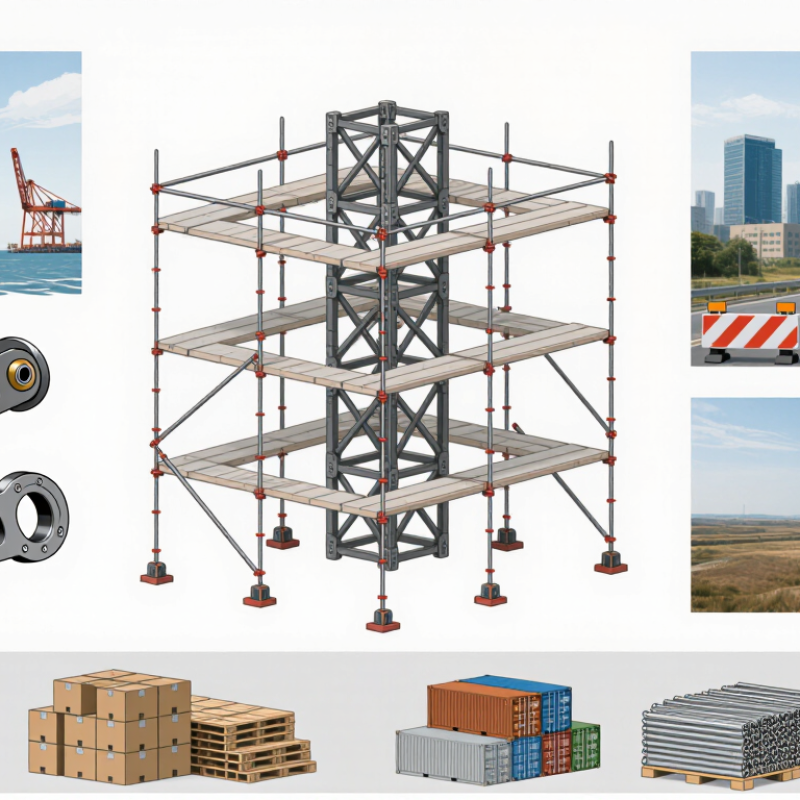
Coastal sites need durable corrosion protection and careful storage away from saltwater exposure. Cold regions may require impact-resistant components and revised handling procedures. Hot, dusty sites demand clean locking points and regular inspection. Logistics matter too. Check container dimensions, packing lists, replacement-part availability, and port restrictions before signing. A small missing ledger can stop an entire work zone.
The supplier should explain how the ringlock system fits the 2026 budget without weakening safety controls. Request a cost model covering transport, local taxes, training, inspections, maintenance, and expected losses. Compare landed cost, not factory price. Confirm technical support across time zones and require written responses to design questions. Some suppliers promise fast delivery, yet their spare parts remain unavailable locally. That risk is easy to underestimate. I would also leave contingency funds, because weather, customs checks, and revised site conditions rarely follow the original schedule.

 +86 18531742341