10 Best Ringlock Scaffolding Suppliers for Global Buyers
Choosing among Ringlock Scaffolding Suppliers takes more than comparing prices or glossy product photos. A dependable system should fit the job, connect securely, and arrive with clear specifications. This guide introduces ten suppliers for global buyers, with attention to product range, manufacturing information, export experience, and customer support. The aim is practical comparison, not a claim that one supplier suits every project.
Small details matter. Check rosette spacing, tube dimensions, surface finish, and the stated load ratings for each component. Ask for current test reports, material details, and installation guidance before placing a large order. A neat catalog is useful, but it cannot confirm how consistently a supplier controls production. Shipping terms, replacement-part availability, and realistic lead times deserve equal attention, especially when a project schedule is tight.
A low quotation can hide costly gaps. Not every quote. Some suppliers describe similar-looking systems with different specifications, so compare like with like and request written clarification. Regional standards and site requirements also vary; buyers should confirm suitability with qualified local professionals rather than rely on a sales promise. I would be cautious about treating a long client list as proof of quality, too. Ask specific questions, review the evidence, and note what remains uncertain. The suppliers featured here offer a starting point for informed research, not a substitute for technical checks or direct due diligence.

Understanding Ringlock Scaffolding and Its Global Applications
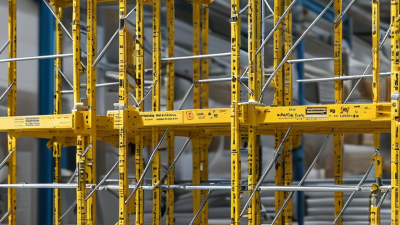
Ringlock scaffolding uses vertical standards with circular rosettes that connect ledgers, braces, and other components. Wedges secure the connections, allowing crews to assemble bays at different angles and levels. The system suits projects that need adaptable access, such as building façades, industrial maintenance, bridges, and event structures. A rosette looks simple. Its position and connection condition still matter.
For global projects, modular parts can help manage changing site layouts and transport constraints. Crews may configure working platforms around columns, sloped ground, or tight urban spaces. Yet components from different systems are not automatically compatible. Buyers should check dimensions, material specifications, load data, and assembly instructions before procurement. Fit matters. A small mismatch can complicate installation.
Safe use depends on more than the scaffold type. Project teams should consider platform loads, tie-in locations, ground bearing capacity, access routes, and local working conditions. Wind exposure, rain, and temperature can affect site planning and inspection needs. A competent person should review the design and verify the erected structure against project requirements. Even careful planning can miss a detail, so inspection records and clear handovers deserve attention.
Key Criteria for Evaluating Ringlock Scaffolding Suppliers
A reliable ringlock scaffolding supplier should provide clear technical documents, not just polished product photos.
Review load tables, component dimensions, material specifications, and inspection records. Ask how steel batches are traced and how welds are checked. Galvanized finish matters too; request coating-thickness data rather than relying on appearance alone.
Details count.
Check that standards and test reports match the system and intended use. Confirm compatibility between standards, ledgers, braces, and decking, especially when adding components from different production batches. A small mismatch at a rosette can slow assembly or create unsafe gaps. Request a sample set or trial assembly when practical, and inspect wedge fit, pin alignment, and finish quality.
Evaluate delivery capacity and support after purchase.
Ask for realistic lead times, spare-part availability, packing lists, and guidance for storage and handling. Speak with comparable buyers about consistency across repeat orders, not only the first shipment. A polished quotation can still hide a weak handoff. I have seen teams focus on unit price and overlook replacement-part delays; that comparison deserves a second look.
Clear answers, verifiable records, and responsive technical support are stronger signs of a dependable supplier.
Profiles of 10 Leading Ringlock Scaffolding Suppliers
Ringlock scaffolding suppliers vary in production scale, engineering support, and export experience. These ten profiles show what global buyers may encounter.
Profile one: a large-volume producer offering broad component ranges.
Profile two: an export-focused supplier experienced with mixed container loads.
Profile three: a specialist in custom dimensions and project drawings.
Profile four: a supplier with in-house testing and traceable inspection records.
Profile five: a regional manufacturer offering shorter delivery routes.
Not every strength suits every site.
Tips: Request current load tables, material specifications, and clear photos of rosettes and wedge connections. Confirm that sample components fit together before ordering. Details matter.
Profile six: a supplier providing replacement parts for established systems.
Profile seven: a project-focused team coordinating quantities and packing plans.
Profile eight: a smaller workshop with flexible batch sizes but limited stock.
Profile nine: a supplier offering installation guidance and practical documentation.
Profile ten: a distributor combining several factories’ products, which may broaden availability but complicate consistency checks.
Compare weld quality, galvanizing coverage, tolerances, and packaging—not just quoted price. Ask who handles quality checks, and request dated records.
A polished brochure helps, but it is not proof. Independent verification can still take time.
Comparing Product Range, Certification, and Export Support
A useful comparison starts with the actual build, not the size of a supplier’s catalog. Check whether its ringlock range covers standards, ledgers, diagonal braces, steel decks, base jacks, and stair units. Confirm bay lengths, rosette spacing, material grades, and declared load capacities against project drawings. Ask for test reports and traceable material records; a quality-management certificate alone does not verify scaffold capacity.
Certification needs careful reading. EN 12810 and EN 12811 provide relevant European product and performance frameworks, while destination markets may require other documentation. OSHA’s scaffold guidance cites estimates that better protection could prevent 4,500 injuries and 60 deaths annually in the United States. That figure is not a supplier comparison, but it shows why verified design data and clear assembly instructions matter. Small details matter.
Export support can determine whether a technically suitable system arrives ready to use. Compare packing lists, corrosion protection, spare-part availability, shipping schedules, and help resolving missing or damaged components. Request sample documents before ordering, including inspection records and assembly manuals in the required language. A container can arrive on time yet still cause delays if its fittings do not match the site plan. No checklist catches every issue; verify a sample order and clarify responsibilities before committing to a large shipment.
How Global Buyers Can Verify and Select a Supplier
A supplier’s catalogue can show frame sizes and finish options, but it cannot prove consistent production. Ask for current drawings, material specifications, inspection records, and load-test reports for the exact ringlock system you plan to buy. Check that the documents identify the product and test conditions clearly. Paperwork can look perfect.
Request photos or a live video walkthrough of the workshop. Look for marked components, orderly storage, and checks on welds, dimensions, and surface coating. If possible, inspect a sample set and trial-fit the rosettes, ledgers, and braces. Parts should connect cleanly, without forcing or excessive play. Small mismatches become costly across a large shipment.
Ask how the supplier tracks batches, handles rejected parts, and manages replacement orders. A clear answer should include named responsibilities and realistic timelines, not broad promises. Verify production capacity against your required quantity and delivery window, then ask for references from comparable projects. A neat audit sheet has limits; it cannot show how a team responds when specifications change mid-order. Notice whether questions receive specific, consistent answers. Hesitation is not proof of poor quality, but it deserves follow-up before payment terms or delivery plans are agreed.
 +86 18531742341