+86 18531742341
Choosing among Ringlock Scaffolding Suppliers is not simply a matter of comparing prices. Project teams need dependable components, clear technical information, and support that continues after delivery. A ledger, rosette, or brace may look like a small detail, but its fit can affect assembly speed and system stability. Small details matter.
This guide introduces ten suppliers serving markets around the world. It considers factors buyers can verify, including product range, manufacturing capabilities, available engineering documentation, quality-control practices, and customer support. These factors help create a useful comparison, but no single supplier is right for every job. A contractor working on a compact renovation may value fast local delivery, while a large infrastructure project may need consistent production and detailed technical assistance.
Supplier information and product offerings can change. Buyers should confirm specifications, compatible components, lead times, and service arrangements directly before making a decision. They should also match equipment to the project design and have qualified professionals assess its intended use. That step is easy to overlook when schedules tighten. A worldwide list also cannot capture every regional strength or customer experience, so treat it as a starting point—not a final verdict. The most useful choice is the one that fits the work, communicates clearly, and can support its claims with reliable information.
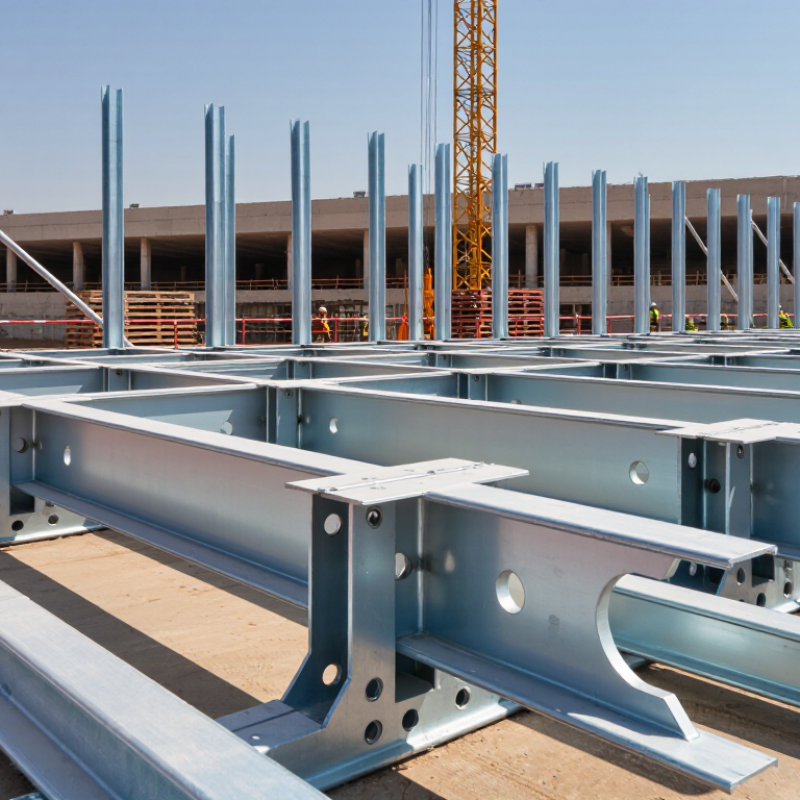
Ringlock scaffolding uses vertical standards with circular rosettes, horizontal ledgers, and diagonal braces. Wedges lock components together, creating a modular structure that crews can adapt to changing site layouts. On a jobsite, that flexibility matters: a platform may need to pass around a pipe rack or fit beside an uneven façade. It is not automatically safer, though. Correct assembly, compatible components, and competent inspection remain essential.
The global market figures offer useful context, but they do not measure ringlock alone. Grand View Research estimated the overall scaffolding market at US$55.4 billion in 2023 and projected a 5.5% compound annual growth rate from 2024 to 2030. Demand is supported by construction, infrastructure work, and maintenance projects. Yet the market is not perfectly transparent. Regional specifications, transport costs, and product quality can make supplier comparisons difficult. That gap matters. Buyers should examine load documentation, material traceability, connection fit, and replacement-part availability—not just quoted price. A neat catalogue is not proof of reliable performance. The less convenient questions are often the useful ones.
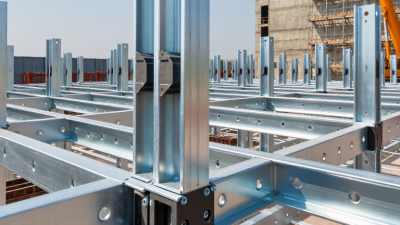
A dependable ringlock scaffolding supplier should provide clear material specifications, load tables, and inspection records. Ask whether standards, ledgers, and diagonal braces share consistent dimensions across production batches. Check rosettes and wedge connections for clean welds, even spacing, and a firm fit. A shiny finish proves little. Inspect galvanizing for thin patches, rough edges, or early rust, especially around welds. Request traceable batch documents and samples before placing a large order. Small details matter. Confirm that stated load capacities match the intended configuration, including bay size, platform height, and bracing.
Compare suppliers on technical support, replacement-part availability, lead times, and packaging that protects components during transport. Ask how they handle damaged or mismatched pieces, and get the response process in writing. A factory visit or independent inspection can reveal more than a polished brochure, though neither guarantees trouble-free supply. If possible, assemble a sample bay and check connection fit, access, and stability with a qualified scaffolding professional. The lowest quote may exclude useful accessories or after-sales support. That difference is easy to miss, and worth questioning.
Use this comparison framework to assess suppliers consistently. The percentages are suggested evaluation weights, not ratings of named companies. Verify certificates, test reports, and product specifications directly with each supplier.
| No. | Evaluation criterion | Suggested weight | What to evaluate | Evidence to request |
|---|---|---|---|---|
| 1 | Product standards and compliance | 15% | Whether the supplier can document conformity with standards relevant to the destination market and intended use. EN 12810 and EN 12811 are relevant European standards for façade scaffolds and temporary works equipment. | Current certificates, declarations, test reports, and confirmation of the exact products and configurations covered. |
| 2 | Structural design and load information | 15% | Clarity and completeness of design data for the proposed scaffold arrangement, including stated loads, bay dimensions, bracing, ties, and applicable limitations. | Configuration-specific calculations, load tables, engineering drawings, and independent test reports where available. |
| 3 | Material traceability and specifications | 12% | Whether material grades, dimensions, and component identification are specified and traceable. Requirements should be checked against the design and relevant local rules. | Material certificates, batch or heat identification records, inspection records, and product drawings. |
| 4 | Manufacturing quality control | 12% | Consistency of manufacturing processes, inspections, weld quality controls, dimensional checks, and handling of nonconforming products. | Quality-management documentation, inspection and test plans, sample inspection records, and any applicable ISO 9001 certificate with its scope verified. |
| 5 | Component compatibility and range | 10% | Availability of compatible standards, ledgers, braces, base components, decks, guardrails, and access equipment for the required system configuration. | Component catalogue, interface dimensions, compatibility statement, and a bill of materials for the proposed setup. |
| 6 | Corrosion protection and finish | 8% | Suitability of the specified finish for the expected environment, together with clear information about coating type, coverage, and maintenance needs. | Coating specification, process records, inspection results, and warranty terms for the finish. |
| 7 | Safety documentation and technical support | 8% | Availability of assembly guidance, safe-use information, inspection guidance, and competent technical support for the intended application. | Installation and user manuals, inspection checklists, risk-related documentation, and support response procedures. |
| 8 | Production capacity and lead-time reliability | 7% | Ability to meet the required order volume, delivery schedule, and replacement-part needs. Compare confirmed lead times rather than general estimates. | Written production schedule, order references where available, and clear terms for delays or partial shipments. |
| 9 | Shipping, packaging, and export documentation | 7% | Practicality of packing, shipment planning, export paperwork, and delivery terms for the destination country. | Packing plan, sample shipping documents, stated Incoterms® rule, and a detailed freight quotation. |
| 10 | Commercial transparency and after-sales service | 6% | Clarity of quotations, warranty coverage, spare-parts availability, complaint handling, and support after delivery. | Itemized quotation, written warranty, spare-parts policy, and documented service or claims process. |
| Total suggested weight | 100% | Score each supplier against the same requirements and verify evidence before making a purchasing decision. | ||
Because supplier names are excluded, these ten profiles compare capability types rather than rank identifiable companies. A Chinese volume producer may offer broad component ranges and short lead times. An Indian fabricator may focus on project-specific dimensions and competitive batch pricing. A German engineering-led supplier may emphasize load calculations and traceable testing. A British rental-oriented supplier may provide system compatibility guidance and replacement parts. A Turkish exporter may combine regional production with international shipping experience.
A US modular-system supplier may prioritize jobsite assembly speed and clear instructions. An Australian supplier may support demanding infrastructure projects with heavier-duty configurations. A Gulf-region distributor may offer nearby inventory for time-sensitive projects. A Japanese precision-focused producer may stress consistent coupler fit and finish. A South African supplier may serve mining and civil works with practical field support. Fit matters more. Grand View Research estimated the global scaffolding market at USD 54.2 billion in 2023, with a projected 5.7% compound annual growth rate from 2024 to 2030.
That market figure covers scaffolding broadly, not ringlock systems alone. Buyers should compare load documentation, material traceability, weld inspection records, and replacement-part availability. Ask how suppliers verify rosette and ledger connections, and request samples before large orders. EN 12810 and EN 12811 provide relevant European system-scaffolding and performance references. Paperwork matters too. A polished catalogue cannot replace checking tolerances, coating consistency, and clear assembly instructions. One limitation remains: a supplier’s stated capacity does not prove reliable delivery on your project schedule.
When comparing ringlock scaffolding suppliers worldwide, look beyond polished product photographs. Inspect sample standards for straight, consistent tubes, clean welds, and rosettes with evenly spaced connection points. A rough weld or loose-fitting ledger can slow assembly and deserve a closer check. Ask how steel grade, galvanizing thickness, and dimensional tolerances are verified. Request recent inspection records or test reports, and confirm they apply to the exact components being quoted. Product quality is easier to judge when documents match the goods.
Tips: Check certification scope and expiry dates. Ask who issued each certificate, and whether it covers manufacturing, product testing, or quality management. These are not interchangeable. Clarify how batches are traceable, too.
Service matters once materials reach the site. Compare realistic lead times, spare-part availability, packaging, and technical support for erection questions. A supplier may offer extensive paperwork but slow responses; another may communicate well yet provide limited test evidence. Neither detail should be ignored. Request a sample quotation with delivery terms and a list of included components. Then ask how damaged or missing parts are handled. Small gaps in a comparison are easy to miss, especially across different markets, so record assumptions and verify unclear claims before making a decision.
Matching a ringlock supplier to a project starts with the worksite, not a catalogue. Confirm required load classes, lift heights, bay dimensions, access routes, and whether the system must connect with existing equipment. Ask for load tables, assembly guidance, material traceability, and replacement-part availability. Small details matter: a missing ledger can delay an entire lift. Fit matters.
Regional compliance needs careful checking. European projects commonly specify EN 12810 and EN 12811; Australian projects may reference AS/NZS 1576, while US work must meet applicable OSHA requirements. These references are not interchangeable. Have a qualified local engineer review design documents and confirm which rules apply to the exact project and scaffold configuration. Paperwork alone is not proof of compatibility.
Supply capacity also deserves scrutiny. Oxford Economics’ Global Construction Perspectives report projected global construction output would rise 85% to $15.5 trillion by 2030, with China, the United States, and India driving 57% of growth. That forecast points to varied regional demand, but it does not guarantee nearby stock or short lead times. Request a written delivery schedule, inspect sample components, and check how the supplier handles damaged parts and technical questions. I would still verify these claims against the site plan; assumptions sometimes survive too long.