
Leave Your Message

Top 10 Home Scaffolding Types Which Should Buyers Choose?

Choosing the right Home Scaffolding system can change an ordinary renovation into a controlled, safer project. A narrow tower may suit window repairs, while a mobile scaffold can support repeated work across a long exterior wall. Size matters. Ground conditions matter more than many buyers expect.

Scaffolding safety trainer Michael P. O’Brien offers a practical reminder: “The best platform is the one matched to the work, the workers, and the ground.” That principle guides this overview of the Top 10 Home Scaffolding Types Which Should Buyers Choose? Each option has a different balance of height, reach, mobility, assembly time, and load capacity. Buyers should check manufacturer instructions, platform dimensions, guardrails, wheel locks, and stated weight limits before comparing prices. A low-cost frame is not automatically economical.

Details can be easy to miss. A tower standing on soft soil may tilt after rain. A rolling unit can move unexpectedly when its casters remain unlocked. A suspended system may offer excellent access, yet require professional installation and careful inspection. Tube-and-coupler scaffolding provides flexibility, but it demands stronger technical knowledge. No single type fits every home.

This guide is not a substitute for a competent site assessment. It also does not pretend that product labels answer every question. Real projects contain uneven walls, narrow pathways, overhead obstacles, and changing weather. The strongest choice combines practical experience, verified specifications, trained users, and disciplined inspection. Sometimes, choosing the smaller system is wiser. Safety rarely rewards guesswork.
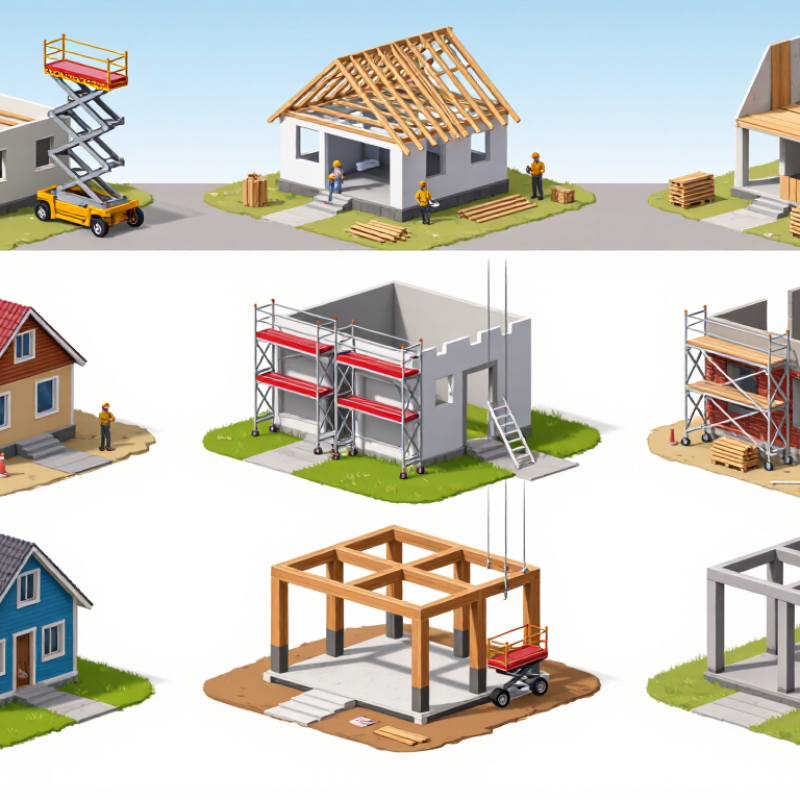
Top 10 Home Scaffolding Types Which Should Buyers Choose?

What Home Scaffolding Is and How It Supports Residential Work

Home scaffolding is a temporary working platform that gives residential crews safer access to walls, roofs, windows, and upper-level finishes. It normally includes platforms, frames, braces, guardrails, access points, and adjustable bases.

OSHA’s Scaffold Safety Fact Sheet estimates that about 2.3 million construction workers use scaffolds, representing roughly 65% of the construction workforce. That figure shows why selection cannot depend on price alone.

Different projects require different scaffold types.

Frame scaffolding suits exterior painting and masonry on flat ground. Mobile scaffolding helps indoor repairs, but its wheels must be locked before work begins. Tube-and-fitting systems offer flexible shapes around extensions or uneven façades. Trestle scaffolds may support low interior work, while suspended or mast-climbing systems require specialist planning.

For most homes, the practical choice depends on working height, platform load, ground condition, project duration, and storage space.

A reliable buyer should check load ratings, guardrail design, base stability, and assembly instructions.

OSHA Standard 29 CFR 1926.451 requires scaffold platforms to support their own weight and four times the maximum intended load. That includes workers, tools, and materials.

Do not guess.

In real projects, small details often decide safety.

Soft soil can tilt a frame. A narrow platform can encourage unsafe reaching. I have seen buyers focus on height while ignoring access. That is a mistake.

The best scaffold supports steady movement, clear visibility, and controlled material handling. Some choices still need reconsideration after a site inspection.
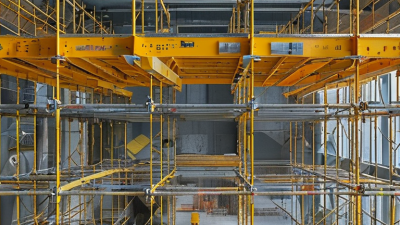
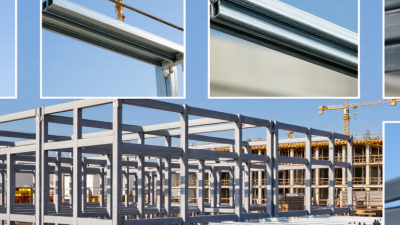
Single-Width Scaffolding for Narrow Spaces and Light Construction

Top 10 Home Scaffolding Types Which Should Buyers Choose?

Single-width scaffolding suits narrow passages, courtyards, and light residential repairs. Its compact frame can fit beside walls, windows, or garden fences where wider platforms cannot move. It works well for painting, rendering, inspections, and minor roof-edge maintenance. Light work only. Buyers should check the platform’s rated load, working height, base width, and stabilizer design before purchase.

Safety data supports careful selection. OSHA estimates that about 2.3 million construction workers use scaffolds in the United States. Its guidance requires scaffolds to support their own weight and four times the maximum intended load. HSE’s 2023/24 statistics recorded 51 worker deaths from falls from height in Great Britain. These figures make guardrails, toe boards, secure access, and frequent inspections essential, even for short home projects.

A single-width unit should stand on firm, level ground, not loose soil or stacked materials. Lockable casters may help indoors, but movement requires clear procedures and a stable surface. Never treat a narrow frame as a substitute for a heavy-duty scaffold. That assumption can fail. A buyer may also overlook overhead cables, sloping paving, or wind exposure. Local rules and manufacturer instructions still matter. An independent competent-person inspection adds useful reassurance, especially when the scaffold reaches above a normal two-storey home.

Top 10 Home Scaffolding Types Which Should Buyers Choose? - Single-Width Scaffolding for Narrow Spaces and Light Construction

No. Scaffolding Type Typical Working Width Common Home Applications Typical Platform Height Typical Load Capability Main Advantages Main Limitations Best Buyer Choice
1 Single-Width Scaffolding Approximately 0.70–0.75 m Exterior painting, gutter work, window maintenance, and light masonry beside narrow walls or property boundaries Usually configured from low level to approximately 10 m, subject to the system design and local rules Generally suited to light-duty work; many systems are designed around approximately 75–150 kg/m², depending on the rated class Fits narrow side passages, uses less material, and is easier to position around residential buildings Limited working space and lower material capacity than double-width systems; requires careful stability control Best for narrow spaces
2 Double-Width Scaffolding Approximately 1.00–1.50 m Bricklaying, plastering, façade repairs, and projects requiring workers and materials on the platform Commonly used for low- to medium-height residential work Often available in medium- or heavy-duty configurations; load rating must be confirmed from the manufacturer’s documentation More comfortable working room, better material storage, and improved productivity for façade construction Needs more ground space and may obstruct driveways, paths, or neighboring access Best for heavier work
3 Mobile Scaffolding Tower Approximately 0.75–1.50 m Interior and exterior painting, lighting, ceiling work, and short-duration maintenance Often supplied in modular heights from about 2 m to 12 m, depending on the tower design Usually light- or medium-duty; must be used within the specified height-to-base and stabilizer requirements Casters allow repositioning, and modular components can be transported and stored efficiently Must not be moved while occupied; uneven surfaces, wind, and inadequate outriggers can create instability Best for repeated access
4 Rolling Scaffold Approximately 0.75–1.50 m Indoor decorating, electrical installation, HVAC work, and maintenance across several nearby locations Commonly used at low and medium working heights Usually light-duty, with the permissible load distributed across the platform and frame Quick to move between work areas and reduces repeated assembly for larger rooms Requires level flooring, locked casters, adequate bracing, and a clear travel path Best for indoor work
5 Frame Scaffolding Approximately 0.75–1.20 m per frame bay Residential painting, siding, stucco, blockwork, and general façade maintenance Commonly assembled in repeated lifts of about 1.5–2.0 m Available in light, medium, and heavy-duty arrangements according to frame, brace, plank, and tie specifications Simple modular layout, fast assembly, and widely available compatible components Less adaptable to irregular façades, sloping ground, and complex building geometry Best for standard façades
6 System Scaffolding Approximately 0.70–1.50 m, depending on the modular system Complex renovations, multi-level façades, roofs, stair access, and projects with many changes in elevation Can be configured for low- to high-level access with engineered ties and bracing Load classes vary by platform and configuration; the design must follow the system’s technical documentation Flexible geometry, consistent connections, and efficient layout for complicated residential structures Higher purchase cost and greater planning skill compared with basic frame scaffolding Best for versatility
7 Tube-and-Coupler Scaffolding Variable; commonly about 0.75–1.50 m for residential platforms Irregular façades, extensions, roof structures, and areas where standard frames cannot fit Highly variable and determined by the designed arrangement Can support light to heavy applications when correctly designed, tied, braced, and erected Excellent adaptability around projections, corners, uneven façades, and unusual structures Slower assembly and greater dependence on competent design and accurate installation Best for irregular buildings
8 Trestle Scaffolding Usually about 0.45–0.75 m platform width Indoor painting, drywall finishing, low-level electrical work, and ceiling repairs Generally low-level access, often below approximately 2 m platform height Light-duty use for workers and limited tools; the trestle and platform rating must be observed Very quick to set up, compact, and economical for low-level interior tasks Not suitable for high elevations, heavy materials, or uneven outdoor ground Best for low-level work
9 Cantilever Scaffolding Usually about 0.60–1.20 m platform width Work above conservatories, fragile roofs, narrow ground areas, or locations where a base cannot be installed Varies according to the supporting structure and engineered design Capacity depends strongly on anchors, brackets, counterweights, and the supporting building structure Provides access where ground-supported scaffolding would block access or cannot be safely founded Requires professional structural assessment and careful control of overturning and anchorage forces Best for restricted ground
10 Suspended Scaffold Commonly about 0.60–1.20 m platform width High-level façade cleaning, window work, painting, and maintenance on taller residential buildings Platform height can be adjusted throughout the building elevation Rated for workers, tools, and limited materials; hoist and suspension capacities must be verified Requires little ground space and provides adjustable access over tall façades Needs engineered roof suspension, secondary safety systems, trained operators, and suitable weather conditions Best for tall façades

Note: Dimensions and load ranges are typical industry values rather than universal specifications. Buyers should verify the platform rating, maximum height, base-to-height ratio, guardrails, access arrangements, tie requirements, ground conditions, wind limits, and local safety regulations before use.

Double-Width Scaffolding for Stable Access and Heavy-Duty Tasks

Top 10 Home Scaffolding Types Which Should Buyers Choose?

Double-Width Scaffolding for Stable Access and Heavy-Duty Tasks

Double-width scaffolding gives workers a broader platform for stable access around homes. Its extra space supports tools, materials, and controlled movement during demanding tasks. A narrow platform can feel restrictive when carrying boards or working beside exterior walls.

A reliable double-width setup needs more than a wide frame. It should stand on firm, level ground with suitable base plates or adjustable supports. Guardrails, toe boards, secure platforms, and safe internal access are essential. Always check the rated load before placing bricks, tiles, or heavy equipment on the deck. Follow local safety requirements and the manufacturer’s assembly instructions.

Stability matters most.

During practical site checks, I would inspect every connection before climbing. Loose braces, uneven legs, or damaged planks can create serious risks. Wind can also change the situation quickly, especially beside open walls. Stop work when conditions become unsafe.

Double-width scaffolding suits roof repairs, masonry, painting, and facade maintenance. It allows two workers to move more naturally, but that does not mean the platform can carry unlimited weight. Buyers sometimes focus on width and overlook transport, storage, and assembly time. That is a fair mistake, yet it deserves careful thought. A slightly heavier system may provide better stability, while a lighter one may be easier for occasional home projects. Ask a qualified scaffolding professional to assess the site when the structure, height, or load becomes complex.

Mobile, Folding, and Adjustable Scaffolds for Flexible Home Projects

Top 10 Home Scaffolding Types Which Should Buyers Choose?

Mobile, folding, and adjustable scaffolds suit different home projects. Mobile scaffolds work well for painting long walls, installing lights, or trimming indoor ceilings. Their lockable casters matter more than speed. Every wheel should lock before climbing. The frame must stand on a level, firm surface. Never use loose bricks for height.

Folding scaffolds are practical in narrow rooms and easy to store behind a door. They open quickly, but their compact design can encourage careless positioning. Adjustable scaffolds help on stairways, uneven floors, and changing work heights. However, adjustment points need clear markings and secure pins. Check the platform before each move. Small errors become serious at height.

The U.S. Bureau of Labor Statistics recorded 395 fatal falls to lower levels in construction during 2022. OSHA requires scaffold inspections by a competent person before each work shift and after events affecting structural integrity. These figures support a careful buying decision, even for household projects.

Choose guardrails, non-slip platforms, and a rated load capacity above your tools and body weight. I would not select the lightest model automatically. A heavier frame may feel inconvenient, yet it often moves less during overhead drilling.

That said, even a good scaffold cannot correct a soft floor or rushed setup. A five-minute inspection is easy to skip. It should not be.

How to Choose Safe Scaffolding Based on Height, Load, and Work Area

Top 10 Home Scaffolding Types: Which Should Buyers Choose?

Choosing home scaffolding starts with height, load, and workspace conditions. Step scaffolds suit low indoor repairs, while folding and trestle types work well in narrow rooms. Frame scaffolds provide broader platforms for painting walls. Tower and rolling scaffolds help reach higher areas, but wheels must lock before climbing. Single and double scaffolds offer longer working levels. Cantilever systems require careful planning and should not be treated as ordinary household equipment.

Measure the working height, not just the wall height. Add the worker’s reach, platform depth, and required clearance. Check the combined weight of people, tools, buckets, and materials. A platform that feels strong may still be overloaded.

Inspect before every use

  • Inspect frames, braces, guardrails, platforms, and locking pins before every use.
  • Place the scaffold on firm, level ground.
  • Never use loose bricks, boxes, or homemade extensions.
  • Follow the manufacturer’s instructions and applicable local safety standards.

Tips:

Keep the work area clear below and around the scaffold. Use a stable access ladder when required. Avoid moving a rolling tower while anyone remains on it. Wind, wet floors, and uneven paving can change the risk quickly. I have seen buyers focus on maximum height and overlook platform width. That choice often creates awkward movement. Recheck the setup after the first few minutes. Small adjustments can reveal a serious problem.