 +86 18531742341
Leave Your Message
Choosing the right Scaffolding Material is not simply a matter of comparing prices. Global buyers must examine load capacity, corrosion resistance, dimensional accuracy, certification, and supply consistency. A steel tube may look acceptable in a warehouse, yet fail expectations after months of rain, salt air, or repeated assembly. Small details matter.
Scaffolding consultant Peter Cox offers a practical principle: “Reliable access begins with materials that remain predictable under pressure.” This idea guides our comparison of leading suppliers worldwide. We consider manufacturing experience, quality-control systems, factory testing, packaging, export documentation, and after-sales support. We also examine whether suppliers provide galvanized tubes, couplers, frames, ringlock systems, boards, and compatible replacement parts. Compatibility saves time on busy construction sites.
The strongest supplier is not always the cheapest. That lesson is easy to ignore. A low quotation can hide inconsistent wall thickness, weak welds, unclear test reports, or delayed shipments. Global procurement also involves communication gaps and changing project conditions. A supplier that answers quickly may still lack technical depth. Another may offer excellent engineering but poor logistics.
This introduction presents a practical shortlist for international buyers. It focuses on evidence rather than attractive promises. Still, no ranking is perfect. Product quality can vary between batches, and local site conditions may change the final decision. Buyers should verify current certifications, inspect samples, confirm applicable standards, and request traceable documentation before placing large orders. Careful questions usually reveal more than polished catalogues.
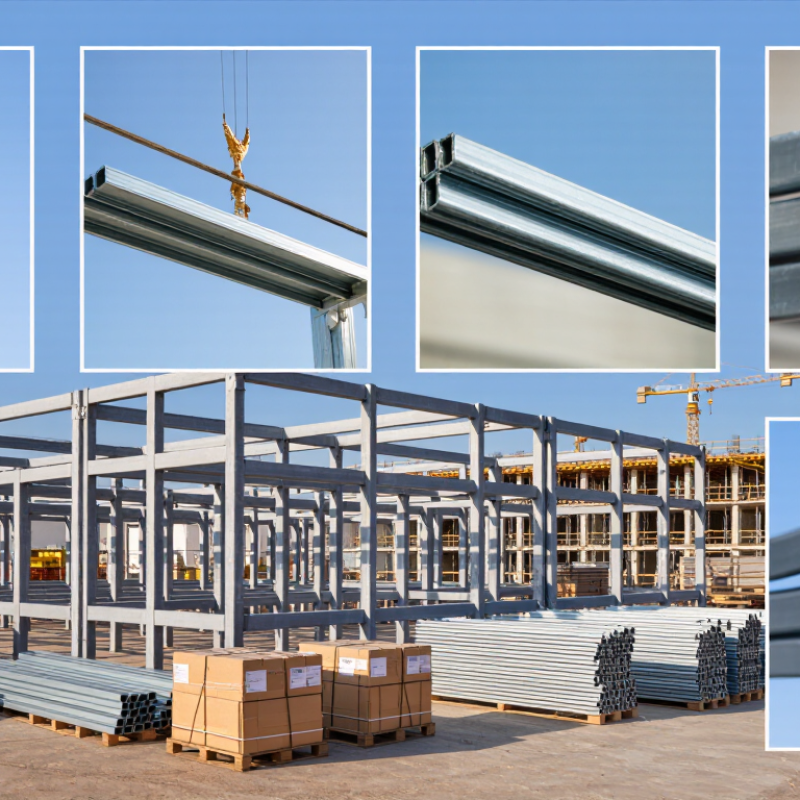
Global buyers need more than scaffold tubes and couplers. They need a complete material plan matched to project conditions, worker movement, and shipping limits. Hot-dip galvanized steel suits outdoor projects because its coating helps resist rain and abrasion. Aluminum is lighter and easier to move, but it may require closer attention to load capacity. The choice should follow engineering calculations, not price alone.
Boards deserve careful review. Timber planks, steel platforms, and aluminum decks behave differently under moisture, impact, and repeated use. Buyers should request material grades, dimensions, surface treatments, and documented load ratings. Base jacks, adjustable legs, guardrails, access ladders, and toe boards also affect safe installation. Small missing parts can delay an entire shipment.
Check the details.
Experienced sourcing teams inspect welds, thread quality, pin alignment, and coating thickness. They also compare packing methods, replacement-part availability, and inspection records. A supplier may offer an attractive unit price, yet weak packaging can cause bent frames or lost couplers during transit. That cost appears later. I have seen buyers focus heavily on steel weight while overlooking local climate and assembly skills. That approach needs reflection. A reliable supplier should provide clear drawings, traceable test documents, consistent batches, and practical technical support before production begins.
| Material Category | Common Material or Grade | Typical Product Forms | Key Buyer Requirements | Relevant Standards and Tests | Main Applications | Priority for Global Buyers | Logistics Considerations |
|---|---|---|---|---|---|---|---|
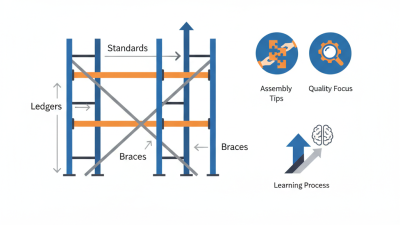
| Carbon Steel Tubes | Structural carbon steel such as S235 or S355 under European classification; equivalent grades may be specified under ASTM or JIS systems. | Round tubes, galvanized tubes, painted tubes, welded tubes and hot-dip galvanized tubes. | Specified outside diameter, wall thickness, straightness, weld quality, dimensional tolerance and load-bearing performance. | EN 10219 for cold-formed welded structural hollow sections; tensile testing, chemical analysis, dimensional inspection and coating inspection where applicable. | Standards, ledgers, transoms, braces, guardrails and tube-and-fitting systems. | Very High | Bundle length, container utilization, corrosion protection and allowable weight per shipment. |
| Aluminum Tubes and Frames | Common wrought aluminum alloys include EN AW-6061 and EN AW-6063, selected according to strength, weldability and extrusion requirements. | Extruded tubes, frame sections, mobile-tower frames, decks and lightweight access components. | Low weight, adequate strength, dimensional accuracy, surface finish, weld quality and resistance to repeated assembly. | EN 755 for extruded aluminum products; alloy, temper, dimensional and mechanical-property verification should be documented. | Mobile towers, indoor access systems, aircraft maintenance platforms and applications requiring reduced handling weight. | High | Protect surfaces against abrasion; separate aluminum from incompatible metals during storage and transport. |
| Steel Fittings and Couplers | Forged or pressed carbon-steel fittings with protective zinc coating or other specified corrosion protection. | Right-angle couplers, swivel couplers, sleeve couplers, putlog couplers, base collars and joint pins. | Correct tube compatibility, slip resistance, bolt or rivet strength, repeatability of tightening and traceable batch control. | EN 74-1 and EN 74-2 for couplers, spigot pins and baseplates used with scaffolding; proof-load and slip-resistance testing. | Tube-and-fitting scaffolding, temporary structures, shoring and maintenance platforms. | Very High | Small parts require counted packing, corrosion-resistant packaging and clear size identification. |
| System Scaffolding Components | Steel or aluminum modular components using prefabricated connection points such as rosettes, cups or wedge connections. | Standards, ledgers, transoms, diagonal braces, base jacks, collars, stair units and platform supports. | System compatibility, connection strength, interchangeability, erection sequence, allowable bay dimensions and complete load tables. | EN 12810 and EN 12811 for façade scaffolds and temporary works equipment; structural calculations and component testing are commonly required. | Large façade projects, industrial maintenance, infrastructure work and complex access structures. | Very High | Components should be packed by system and length; mixed-system substitutions should not be made without engineering approval. |
| Scaffold Boards and Decking | Structural timber, aluminum, steel or composite decking selected for the required span, load class and environmental exposure. | Timber boards, steel decks, aluminum platforms, hatch platforms and non-slip walk boards. | Working width, thickness, span capacity, slip resistance, edge protection, drainage and resistance to moisture or fire exposure. | EN 12811-1 for performance requirements and general design; timber products may also require grading and moisture documentation. | Working platforms, access walkways, loading bays, stair towers and temporary work decks. | Very High | Prevent warping and water damage; protect deck surfaces and use separators for steel or aluminum panels. |
| Base Jacks, Base Plates and U-Heads | Carbon steel with machined or rolled threaded stems, welded plates and protective galvanizing or paint systems. | Adjustable screw jacks, fixed base plates, U-heads, swivel jacks and sole-board interfaces. | Thread diameter and pitch, adjustment range, bearing capacity, plate dimensions, weld integrity and locking arrangement. | EN 12811-1 design principles and applicable system-scaffold specifications; compression, thread and weld inspections are important. | Leveling uneven ground, supporting standards, shoring towers and transferring loads to foundations. | High | Protect threads with caps; package by length and keep threaded parts free from impact and contamination. |
| Guardrails, Toeboards and Safety Accessories | Galvanized steel, painted steel, aluminum or high-visibility polymer components, depending on the system and site conditions. | Top rails, intermediate rails, toe boards, end gates, access gates, debris screens and warning components. | Correct height, secure connection, visibility, impact resistance, anti-corrosion performance and compatibility with the primary scaffold system. | EN 12811-1 for scaffold access and protection requirements; project regulations may impose additional fall-protection criteria. | Perimeter protection, stair access, loading platforms, roof work and public-area protection. | High | Use nested or collapsible packaging where possible; identify left, right and universal components clearly. |
| Scaffold Stairs and Ladders | Galvanized steel or aluminum, with anti-slip treads and system-specific connection hardware. | Stair flights, ladder frames, internal access ladders, landing gates and stair handrails. | Rise and going dimensions, clear width, anti-slip performance, handrail arrangement, landing geometry and allowable load. | EN 12811-1 and applicable national workplace-access requirements; dimensional, load and slip-resistance checks are recommended. | Multi-level access, façade scaffolding, industrial plants, construction sites and maintenance operations. | High | Long stair flights require careful container planning; use protective spacers to avoid deformation. |
| Protective Coatings and Corrosion-Control Materials | Hot-dip zinc coatings, electro-zinc coatings, powder coatings or industrial paint systems chosen for the exposure environment. | Coated tubes, coated fittings, touch-up products, corrosion-inhibiting packaging and repair coatings. | Coating thickness, adhesion, appearance, repair procedure, salt-spray performance and suitability for the intended service environment. | ISO 1461 for hot-dip galvanized coatings on fabricated iron and steel articles; coating thickness and visual inspection should be recorded. | Outdoor construction, coastal areas, humid industrial sites and repeated rental-cycle use. | High | Keep products dry and ventilated; avoid white rust on galvanized items by controlling moisture during transit. |
| Formwork and Temporary-Works Panels | Film-faced plywood, structural plywood, steel panels or aluminum panels selected for repeated reuse and required surface finish. | Plywood sheets, modular panels, edge profiles, walers, clamps and temporary support components. | Panel thickness, face quality, dimensional stability, moisture resistance, permissible deflection and number of reuse cycles. | EN 636 for plywood intended for different service conditions; project-specific formwork calculations and panel inspections may also apply. | Concrete formwork, temporary platforms, protection decks and integrated access systems. | Medium to High | Protect panel edges from water and impact; use flat stacking and moisture-resistant wrapping. |
| Debris Netting and Containment Sheeting | UV-stabilized polyethylene or polypropylene mesh, flame-retardant textile mesh or reinforced sheeting. | Safety netting, debris mesh, shrink-wrap sheeting, edge screens and dust-control curtains. | Mesh aperture, tensile strength, UV resistance, flame performance, air permeability, color visibility and fixing method. | EN 1263-1 and EN 1263-2 may apply to safety nets; flame performance and local construction requirements should be verified separately. | Falling-object control, dust reduction, façade containment, weather screening and public protection. | Medium to High | Specify roll width and length carefully; keep dry, avoid sharp edges and confirm customs classification for textile products. |
| Fasteners and Hardware | Carbon-steel or stainless-steel bolts, nuts, washers, pins and locking devices selected for the connection environment. | High-strength bolts, captive pins, wedge pins, retaining clips, washers and replacement hardware kits. | Thread standard, strength class, corrosion resistance, locking method, dimensional compatibility and traceability. | ISO 898-1 for mechanical properties of carbon-steel and alloy-steel fasteners; thread gauges and torque verification may be required. | Couplers, modular connections, access gates, bracing joints and replacement-part programs. | High | Separate metric and imperial hardware; use labeled kits and moisture-resistant packaging for small components. |