 +86 18531742341
Leave Your Message
Choosing Scaffolding Accessories in 2026 is not a minor purchasing task. The right fittings, couplers, base plates, and guardrails help a scaffold remain stable, practical, and suited to its intended use. The wrong component can create fit problems, slow assembly, or introduce risks that a checklist may not catch. Details matter.
A named expert quotation should be verified before publication. No source material was provided to confirm one, so this introduction does not invent an expert or attribute an unsupported statement. A useful guiding principle is: “Choose accessories for compatibility, condition, and the demands of the actual job—not price alone.” Treat that as editorial wording, not a quotation from a named person. It is a small distinction, but an important one.
This guide examines how to assess Scaffolding Accessories in 2026, from material quality and connection fit to inspection records and supplier support. Look closely at worn threads, bent components, corrosion, and unclear product markings. Ask whether each item matches the scaffold system and the work planned at height. A polished product photo proves little. Request specifications, traceable documentation, and clear care instructions instead. Requirements can vary by location and application, so check current guidance with a competent scaffolding professional before purchase or use. Even careful buyers miss things. A second review can help.
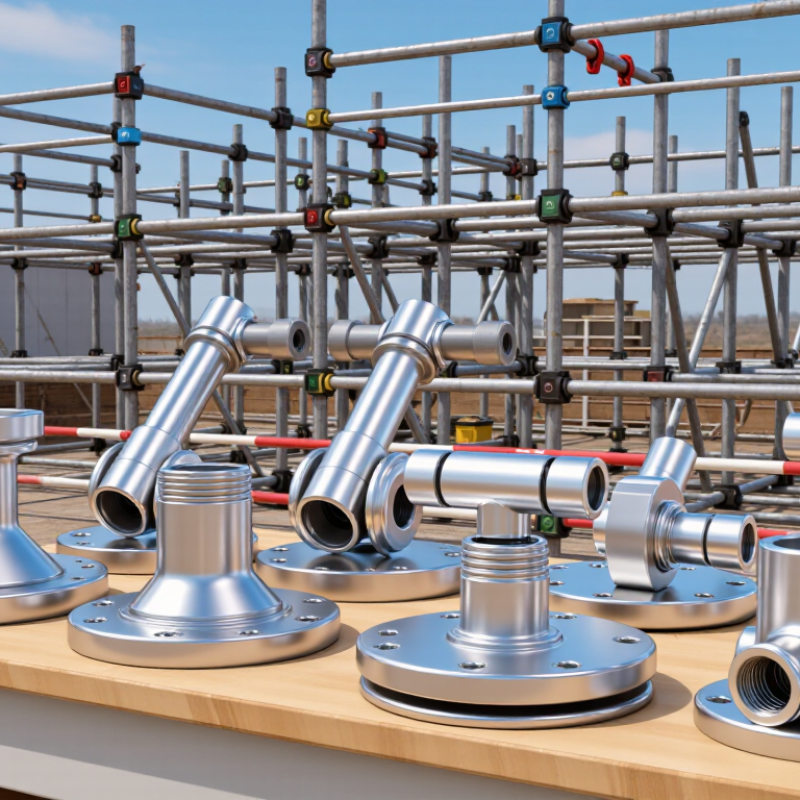
Start by identifying the scaffold system on site: frame, tube-and-coupler, or mobile tower. Accessories are not interchangeable just because their fittings look similar. Check compatibility information and measure the actual connection points, platform width, and tube dimensions before ordering. A tape measure beats a guess.
Match each accessory to the work. Bricklaying may need a clear, stable platform and safe material access; inspection work may need easier movement and a secure way to reach the work area. Consider guardrails, access ladders, toe boards, and stabilizers where the scaffold design calls for them. Avoid adding parts that obstruct access or exceed the platform’s rated capacity. Small details matter.
Site conditions can change the choice. Check whether the ground is soft, sloped, or uneven, and look for wind exposure, doorways, and overhead obstructions. On a mobile tower, confirm that the wheels and stabilizers suit the surface and setup. Follow the scaffold maker’s instructions, and ask a qualified scaffold professional when compatibility is unclear. I would recheck measurements after delivery; site assumptions are often wrong.
| Scaffold Type | Work Scope | Site Conditions | Accessories to Consider | Selection and Safety Checks |
|---|---|---|---|---|
| Supported frame or system scaffold | Exterior wall repairs, painting, masonry, or general access work | Firm, level ground with a clear working area | Base plates, sole boards where needed, guardrails, midrails, toe boards, access ladder or stair unit, and scaffold ties | Use base plates to spread loads and sole boards where ground conditions require additional load distribution. Install edge protection and access components as required by the design and applicable rules. Tie the scaffold to the structure according to the scaffold plan. |
| Supported scaffold on sloped or uneven ground | Facade work on changing ground levels or near embankments | Sloping, soft, or uneven surfaces; possible settlement or water accumulation | Adjustable base jacks, base plates, sole boards, bracing, and scaffold ties | Confirm that the supporting ground can carry the intended loads. Keep screw-jack extension within the limits specified for the scaffold system; do not level a scaffold with loose blocks or improvised materials. Have the setup checked by a competent person. |
| Mobile tower scaffold | Short-duration indoor maintenance, installation, or inspection | Hard, level floor with a route free of holes, obstructions, and overhead hazards | Lockable castors, stabilizers or outriggers where required, guardrails, toe boards, internal access ladder, and braces | Lock castors before use and follow the tower’s assembly instructions. Stabilizer requirements depend on tower height, configuration, and manufacturer guidance. Do not move a mobile tower while people or unsecured materials are on it. |
| Independent or birdcage scaffold | Ceiling work, soffit repairs, or work across a broad horizontal area | Interior floors or exterior surfaces with adequate support and clearance | Additional ledgers and transoms, diagonal bracing, working platforms, guardrails, toe boards, and suitable access ladders | Ensure the platform is fully supported and that the bay layout and bracing match the design. Check floor capacity, openings, and changes in level. Keep access routes clear and protect exposed platform edges. |
| Putlog or single-row scaffold | Masonry work where the building face provides support for putlogs | Sound wall construction with suitable openings or bearing locations | Putlogs, ledgers, standards, braces, ties, guardrails, toe boards, and safe access equipment | Confirm that the wall and putlog bearing points are suitable for the loads. Do not use this arrangement where the supporting construction is weak or uncertain without an appropriate design and assessment. |
| Suspended scaffold or swing stage | Facade inspection, cleaning, painting, or repair at height | Roof or overhead structure must provide suitable, verified suspension and tie-back points | Suspension rigging, hoists, platform components, independent lifelines, compatible personal fall-arrest equipment, and edge protection where applicable | Suspension and anchorage arrangements require careful design and inspection. Verify rated capacity, compatible components, hoist condition, and rescue arrangements. Personal fall protection must use suitable independent anchorage and comply with site rules and applicable regulations. |
| Any scaffold near a public route or active work area | Work above entrances, sidewalks, roads, or occupied spaces | Pedestrian traffic, vehicle movement, falling-object exposure, or restricted access | Toe boards, debris netting or protective fans where suitable, warning signs, barriers, and controlled access | Choose protection based on the falling-object risk and local requirements. Netting and sheeting can increase wind loading, so include them in the scaffold stability assessment. Keep the area below controlled and inspect protective components regularly. |
| Any scaffold exposed to wind or severe weather | Outdoor work, especially on tall or partially enclosed structures | High winds, gusts, rain, ice, or rapidly changing weather | Bracing, ties, secured platforms, and weather-appropriate access provisions | Follow the scaffold design and site weather procedures. Reassess stability when adding sheeting, netting, signs, or other wind-catching materials. Inspect after adverse weather and do not use platforms affected by ice or unsafe conditions. |
Important: Select accessories for the specific scaffold configuration, load, task, and site conditions. Follow the scaffold design, supplier instructions, competent-person guidance, and applicable local regulations; this table is a planning aid, not a substitute for them.