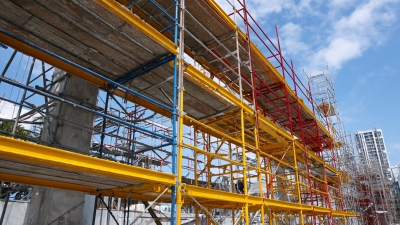
How to Choose the Best Scaffolding Accessories for Your Project?
Choosing the right scaffolding accessories is crucial for any construction project. The construction industry is witnessing a notable shift towards improved safety and efficiency. According to a report from the Occupational Safety and Health Administration (OSHA), approximately 65% of construction worker injuries are related to falls. Proper scaffolding can mitigate these risks significantly.
Scaffolding accessories play a vital role in ensuring the structural integrity of these setups. Items such as safety harnesses, guardrails, and base plates are fundamental. A study by the National Institute for Occupational Safety and Health (NIOSH) found that harnesses can reduce fall-related injuries by up to 50%. Selecting quality accessories is not just about compliance; it’s about upholding safety standards.
However, not all accessories are created equal. In a market flooded with options, discerning which products meet industry standards can be challenging. It requires careful evaluation and knowledge of specific project needs. Often, budget constraints lead to the selection of subpar accessories. This can result in potential hazards. It’s essential for project managers to strike a balance between cost and safety when choosing scaffolding accessories.
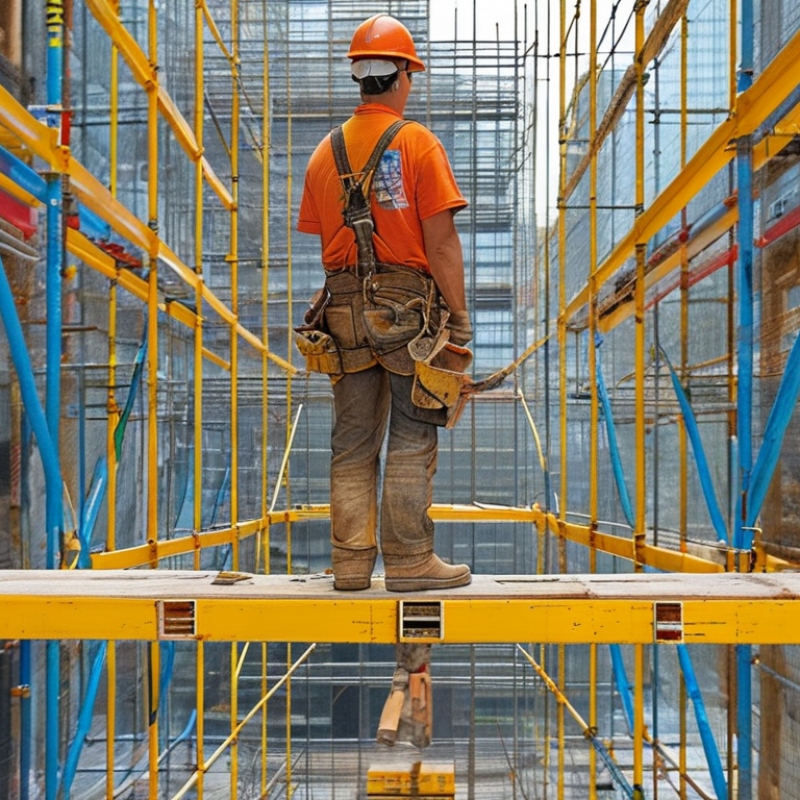
Understanding the Importance of Scaffolding Accessories for Safety
Scaffolding accessories play a crucial role in ensuring safety on construction sites. Over 65% of construction accidents are attributed to falls, highlighting the significance of proper equipment. Quality scaffolding accessories, such as guardrails and safety nets, are essential for reducing these risks. According to the National Institute for Occupational Safety and Health (NIOSH), using effective fall protection can decrease the risk of injuries by up to 50%.
Choosing the right accessories is not always straightforward. Many projects overlook the importance of compatibility between scaffolding systems and their accessories. Misalignment can lead to hazardous conditions. It is vital for project managers to regularly assess their equipment, ensuring all components meet industry safety standards. A study by the Occupational Safety and Health Administration (OSHA) revealed that poorly maintained scaffolding leads to increased accident rates.
Training workers on the correct usage of scaffolding accessories is just as crucial. A lack of knowledge surrounding equipment can result in avoidable accidents. Although some teams might assume they are adequately trained, regular refresher courses can enhance safety awareness. This approach fosters a culture of safety and responsibility among workers, significantly impacting overall site safety.
Identifying the Types of Scaffolding Accessories Available
When selecting scaffolding accessories, understanding the available types is crucial. Common scaffolding accessories include safety equipment, connectors, and platforms. Safety harnesses and guardrails help protect workers from falls. They are essential for compliance with safety standards.
Connectors, such as couplers and clamps, are vital for stability. These components must be durable and reliable. Inadequate connectors can compromise the entire scaffolding structure. It’s also important to choose the right platform materials. Wooden boards may be less expensive but can weaken over time. Metal platforms, though pricier, often provide better durability and strength.
Accessibility and ease of installation play significant roles in the choice of scaffolding accessories. Complicated setups can lead to delays. Sometimes, simpler accessories lead to safer working conditions. However, it's also a challenge to find the right balance between quality and cost. Understanding your project requirements can help in making the best decisions. Strive for an efficient mix of safety, reliability, and practicality.
Evaluating Quality and Durability in Scaffolding Accessories
When evaluating scaffolding accessories, quality and durability are key factors. High-quality materials withstand wear and tear. They offer better stability and support. Inspect the metal parts for rust or corrosion. The joints should fit snugly without excessive play. Accessories made from durable materials last longer and reduce replacement costs.
Consider the environment where the scaffolding will be used. Some materials perform poorly in wet conditions while others may corrode faster. Look for corrosion-resistant coatings or treatments. Regular inspections can help catch early signs of wear. Over time, you may need to reevaluate the effectiveness of your chosen accessories.
In the field, user experiences can shed light on what works best. Seeking feedback from seasoned professionals can reveal insights. Document any issues you notice during projects. Reflect on whether your current tools truly meet safety standards. Identifying flaws can lead to better choices in the future.
Budget Considerations for Scaffolding Accessories Selection
When selecting scaffolding accessories, budget considerations play a crucial role. Assessing your project's financial constraints is vital. A clear budget helps prioritize essential accessories over optional ones. This approach keeps you focused on what matters. It's not uncommon for project managers to overlook hidden costs. Always factor in maintenance and replacement expenses.
Researching various options can reveal surprising differences in prices. Bulk purchasing can lead to discounts, but you must balance quality and cost. Sometimes, cheaper options might compromise safety. Prioritize reliability over low price, as quality accessories ensure workforce safety. A slightly higher initial investment may save money long-term through reduced accidents.
Seeking expert advice can refine your choices. Consulting industry professionals can provide insights not found online. Always stay informed about the latest trends and innovations. This will help you avoid common pitfalls, such as choosing outdated accessories. Flexibility in budgeting is essential. Be prepared to adjust your plans based on real-time costs. A well-thought-out budget can make all the difference in your project's success.
Scaffolding Accessories Budget Considerations
Tips for Sourcing Reliable Scaffolding Accessories Suppliers
When choosing scaffolding accessories, sourcing reliable suppliers is critical. High-quality accessories ensure safety and efficiency. Here are some tips to help you find trustworthy suppliers.
Start by researching potential suppliers online. Look for reviews from previous customers. Check their credentials and experience in the industry. A reliable supplier should have a solid reputation. Reach out to them with specific questions about their products. This interaction can reveal their expertise and responsiveness.
Consider visiting suppliers in person if possible. This allows you to inspect their accessories firsthand. Pay attention to the materials used and the overall construction quality. Establishing a personal connection can also foster trust. Do not hesitate to evaluate multiple suppliers. Comparing costs and quality can lead to better decisions. It's essential to ensure that the accessories meet safety standards.

 +86 18531742341