What is Construction Scaffolding and Why is it Important?
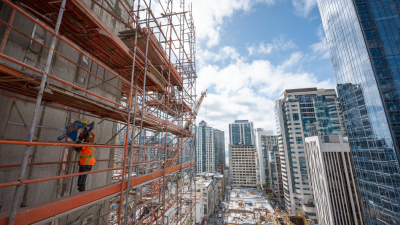
Construction scaffolding plays a vital role in the building industry. It provides essential support and safety for workers at various heights. Without proper scaffolding, construction sites can become hazardous, increasing the risk of accidents. This temporary structure enables access to hard-to-reach areas, allowing for efficient project completion.
Experts emphasize the importance of high-quality scaffolding. Reliable scaffolding ensures both worker safety and project efficiency. Workers rely on it every day while performing various tasks. It allows them to focus on their work rather than worry about falling.
However, not all scaffolding is created equal. There can be flaws in design or materials that go unnoticed until it's too late. This highlights the need for rigorous standards and inspections. Construction companies must prioritize safety to mitigate these risks. Investing in trustworthy construction scaffolding is crucial, as it directly impacts worker health and project success.
Definition of Construction Scaffolding and Its Types
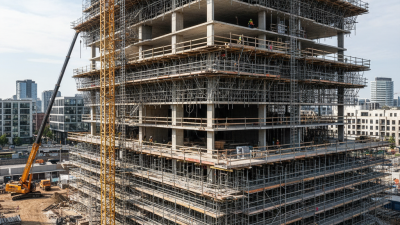
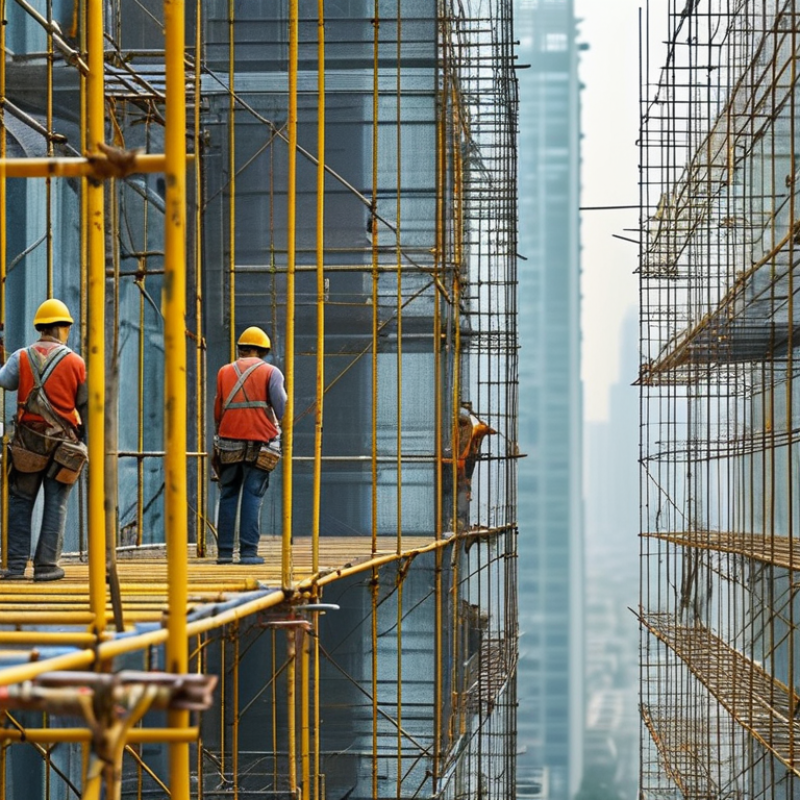
Construction scaffolding plays a critical role in the building process. It provides a temporary structure that supports workers and materials. This system allows access to higher areas while ensuring safety and stability on-site. Different types of scaffolding serve different needs.
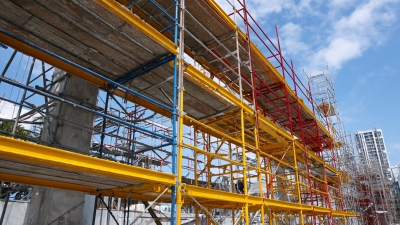
There are several scaffolding types. Frame scaffolding is the most common. It's easy to assemble and provides sturdy support. System scaffolding is modular, allowing for customization. It adapts easily to various structures.
Then there's suspended scaffolding, perfect for high-rise buildings. This type hangs from above, facilitating work on tall facades.
Tips: Always inspect scaffolding before use. Look for any signs of wear or damage. Ensure it's level and stable. Proper training is crucial. Workers should know how to use scaffolding safely. Continuous monitoring of scaffolding conditions is essential throughout the project. These practices improve safety and efficiency on-site.
History and Evolution of Scaffolding in the Construction Industry
Scaffolding has been a crucial component in construction for centuries. Its origins can be traced back to ancient civilizations, where simple wooden structures provided workers with access to elevated areas. The Egyptians used scaffolding for building the pyramids, while the Romans advanced its design with new materials, making it more versatile. Over time, the scaffolding industry evolved, incorporating steel and aluminum, which enhanced its strength and safety.
In the 19th century, innovations like the frame scaffold emerged. This design improved stability and allowed for quicker assembly. As construction practices modernized, so did scaffolding methods. Today, it plays an essential role in ensuring worker safety and project efficiency. Many projects would be impossible without it.
Tips: Always check the integrity of scaffolding before use. A weak structure can lead to accidents. Ensure that all components meet safety standards. Training workers on proper assembly and usage is essential. Regular inspections are necessary to avoid issues. By prioritizing safety, we can reflect on past mistakes and improve future practices.
Key Benefits of Using Scaffolding for Construction Projects
Scaffolding plays a crucial role in construction. It provides a stable structure for workers to perform tasks at height. Ensuring safety is vital in these environments. Without reliable scaffolding, the risk of accidents increases significantly. Properly set up scaffolding enhances workflow and efficiency. It allows workers to access challenging areas without constant repositioning.
When using scaffolding, consider these important tips: always inspect the scaffold before use. Look for wear and tear. Ensure it is stable and correctly assembled. Training workers on scaffold safety is essential. This practice can reduce injuries. Regular maintenance checks should be part of your routine.
Emphasizing the benefits, scaffolding improves productivity on site. It helps in keeping materials organized and within reach. Efforts are needed to maintain safety standards. Unattended or poorly secured scaffolding can lead to unwanted hazards. Construction managers must prioritize diligent oversight on all scaffolding setups.
Safety Standards and Regulations Governing Scaffolding Use
Construction scaffolding plays a critical role in ensuring worker safety. However, safety standards and regulations are essential for its effective use. Regulations govern everything from design specifications to material strength. These rules are in place to protect workers at heights. They help prevent miscalculations or failures that could lead to accidents.
Compliance with safety standards is not just a suggestion; it's a requirement. Organizations must conduct regular inspections. These checks help identify wear and tear or potential hazards. Often, workers may overlook small issues that can escalate. Training is vital as well. Workers need education on the proper assembly and disassembly of scaffolding.
The consequences of ignoring these safety regulations can be severe. Incidents can lead to injuries or even fatalities. Reflecting on past accidents shows the importance of strict adherence. At times, personal experience may reveal gaps in knowledge or execution. Establishing a culture of safety is necessary in the construction industry. This ensures that everyone prioritizes safety on site.
Best Practices for Erecting and Dismantling Scaffolding Systems
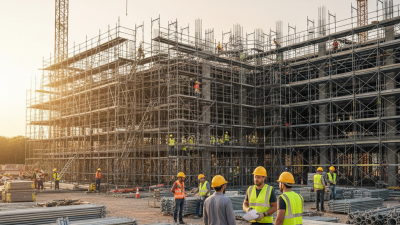
Erecting and dismantling scaffolding requires careful planning and execution. Proper training is essential. Workers must understand how to handle materials safely and effectively. Safety gear is a must, including helmets and harnesses. Each step in the process should be well-communicated among team members.
When putting up scaffolding, checking the ground conditions is crucial. It must be solid and level. Poor ground can lead to instability. Inspect all components before use. Damaged parts should be replaced immediately. Reinforcing structures can enhance stability.
Dismantling is just as critical. Workers may rush, but haste can result in accidents. Begin from the top and work down. Ensure all tools are removed before taking down sections. Always have a colleague nearby to assist or spot. Regular site audits can reveal areas for improvement. Safety should always be the priority, and continuous learning is necessary.
Construction Scaffolding Importance: Safety and Efficiency

 +86 18531742341