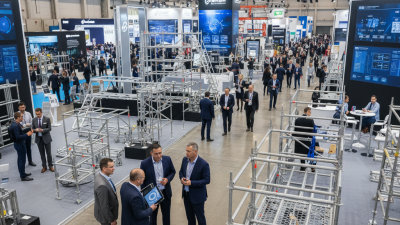
2026 Best Building Scaffolding Suppliers for Global Buyers
Choosing reliable Building Scaffolding suppliers requires more than comparing online prices. Global buyers need safe systems, consistent manufacturing, and clear technical support. In 2026, supplier selection should reflect changing construction demands, regional regulations, and tighter project schedules. A low quotation may look attractive. It may also hide weak documentation, uncertain materials, or expensive replacement costs.
This guide examines suppliers through practical buying criteria. These include steel or aluminum quality, welding accuracy, surface treatment, load capacity, product testing, and packaging methods. Experienced buyers should request drawings, inspection records, certificates, and installation guidance before placing large orders. Factory visits, video audits, and independent inspections can reveal details that polished catalogs often miss. Look closely at tube surfaces, connection fit, pallet protection, and labeling. Small defects can create serious delays on a crowded worksite.
Supplier experience also matters after delivery. Reliable companies explain lead times, spare-part availability, warranty limits, and technical responsibilities in writing. They should communicate clearly across languages and time zones. However, no supplier is perfect. Documents may be incomplete, response times may vary, and advertised capacity may need verification. Buyers should challenge assumptions and compare evidence from several sources. The strongest choice balances safety, price, production capability, compliance support, and long-term service. This overview presents leading options for global buyers, while recognizing that local engineering approval remains essential for every scaffolding project.
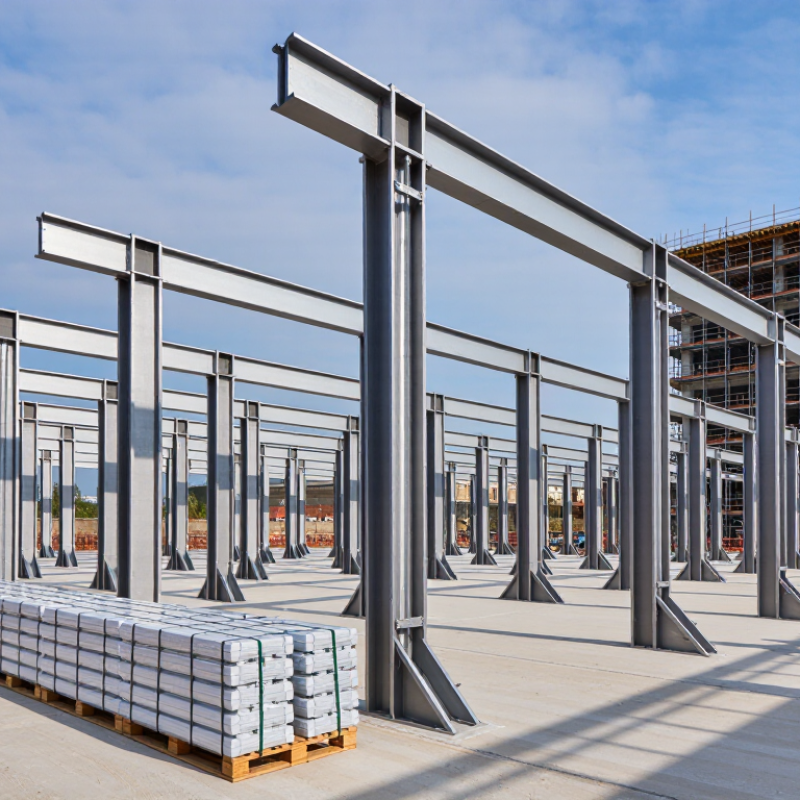
What Building Scaffolding Suppliers Provide and Why They Matter
Building scaffolding suppliers do more than deliver tubes, frames, and platforms.
Reliable suppliers provide load calculations, layout drawings, material certificates, assembly instructions, and inspection records. They should also explain platform capacities in clear language. This matters when a site manager must choose between light-duty access and heavy masonry support.
Safety data shows why these services deserve attention. The International Labour Organization reports about 2.78 million work-related deaths worldwide each year. In the United States, OSHA recorded 395 fatal construction falls in 2022, representing roughly 37% of construction deaths.
Scaffolding suppliers therefore influence risk control through engineering accuracy, stable components, guardrails, access ladders, and practical training. Good paperwork is not decoration.
Site conditions often expose the difference. Uneven ground, strong wind, wet boards, and frequent relocation can defeat a standard package. Experienced suppliers ask about soil, height, loads, climate, and project duration before quoting. They may recommend adjustable bases, bracing, protective screens, or scheduled inspections.
ISO 9001-style quality systems can improve traceability, but certification alone cannot guarantee safe installation. That is easy to forget. Global buyers should review test methods, applicable standards, spare-part availability, delivery planning, and technical support after arrival. Some suppliers still provide impressive documents but weak field guidance. Buyers should challenge that gap. Safety depends on people, not paperwork alone.
Leading Scaffolding Supplier Categories and Their Product Strengths
Global scaffolding buyers are comparing categories, not only prices. Frame scaffolding remains practical for repetitive building façades and interior work. Its standardized parts support faster assembly and easier replacement. Tube-and-clamp systems offer flexibility around tanks, bridges, and irregular structures. They require more skilled installation, however.
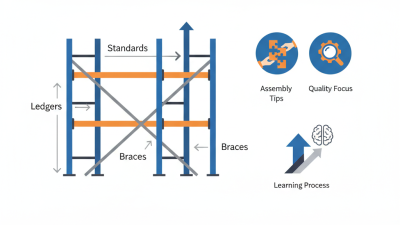
Modular system scaffolding provides stronger consistency on large projects. Rosettes or wedges connect ledgers quickly, reducing loose fittings on busy sites. Suspended access systems suit façades where ground space is limited. They can lower material movement, but require strict inspection and trained operators. Grand View Research estimated the global scaffolding market at about USD 58 billion in 2023. Its report also projects steady growth through 2030, driven by construction and infrastructure investment. Fortune Business Insights similarly identifies rental demand as a major market factor.
Tips: Ask suppliers for load tables, material certificates, inspection records, and replacement-part availability. Request a sample bay before placing a large order. Check tube thickness with a calibrated gauge, not visual judgment. ISO 9001 certification can support process confidence, but it does not prove every component is safe. Verify relevant local standards independently. In my experience, delivery reliability often matters more than a small unit-price difference. One missed shipment can leave a half-built scaffold exposed to weather. Buyers should also compare packing methods, because bent frames create hidden costs. A perfect catalogue is not enough.ೈನ್
International Standards, Safety Compliance, and Quality Certification
For global buyers in 2026, scaffolding quality starts with verifiable standards, not attractive pricing. International suppliers should demonstrate conformity with EN 12811-1 for temporary works equipment and applicable ISO 9001 quality procedures. ISO 45001 can support occupational safety management, but certification alone does not guarantee safe installation. Buyers must inspect the actual product.
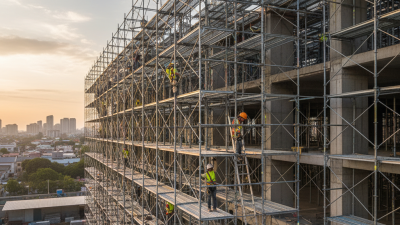
The scale of risk remains significant. OSHA reports that about 2.3 million construction workers use scaffolds in the United States. It also estimates approximately 4,500 scaffold-related injuries and 50 deaths annually. These figures show why load capacity, guardrails, access ladders, base stability, and inspection records require close review. A reliable supplier should provide mill certificates, welding inspection results, corrosion controls, and traceable batch numbers. Photographs help, but they are not enough.
Tips: Request third-party test reports dated within the current production cycle. Compare declared loads with project calculations. Confirm that components fit without forced modification. Ask who trained the assembly team. Small gaps matter. A certificate may be genuine, while field practice remains weak. Buyers should therefore audit samples, clarify local regulatory duties, and document acceptance checks before shipment. The safest supplier is not always the cheapest, and this decision deserves careful reflection.
How Global Buyers Can Select and Manage a Scaffolding Supplier
2026 Best Building Scaffolding Suppliers for Global Buyers
How Global Buyers Can Select and Manage a Scaffolding Supplier
Selecting a scaffolding supplier requires more than comparing prices. Experienced buyers review load calculations, material certificates, welding quality, and surface protection. Ask for production photos, inspection records, and recent project references. A capable supplier should explain tube dimensions, connection methods, tolerances, and expected service life in clear language. Request samples when specifications are unclear. Small differences can affect site safety and installation speed.
Supplier management begins with a detailed purchase agreement. Include drawings, quantities, packaging rules, delivery milestones, inspection procedures, and replacement responsibilities. Independent inspections before shipment can reduce costly surprises. Keep communication practical. Share updated site conditions, lifting limits, and installation schedules. A supplier may meet the original specification but still fail when project conditions change. That gap deserves attention. Cheap orders have caused expensive delays in my review experience. The lesson is uncomfortable.
Tips: Check certificates with the issuing organization. Confirm production capacity during peak seasons. Inspect random bundles, not only visible pieces. Record every change in writing. Ask how damaged components are handled. Build a small spare-parts allowance into the budget. Keep a clear contact person on both sides. If responses become vague, pause the order and request evidence. Reliability is shown through repeated actions, not polished promises.

 +86 18531742341