
 +86 18531742341

0102030405
Wooden Formwork Sees Steady Demand Amid Shifts in Global Construction Practices
2025-09-04
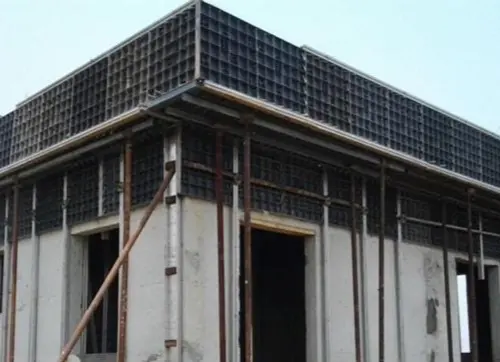
While modern construction increasingly adopts plastic formwork and Steel Formwork systems, Wooden Formwork continues to hold a significant share in global projects. Its affordability, adaptability, and accessibility make it one of the most widely used construction formwork solutions, particularly in residential and mid-scale building developments.
Cost-Effective and Easily Available
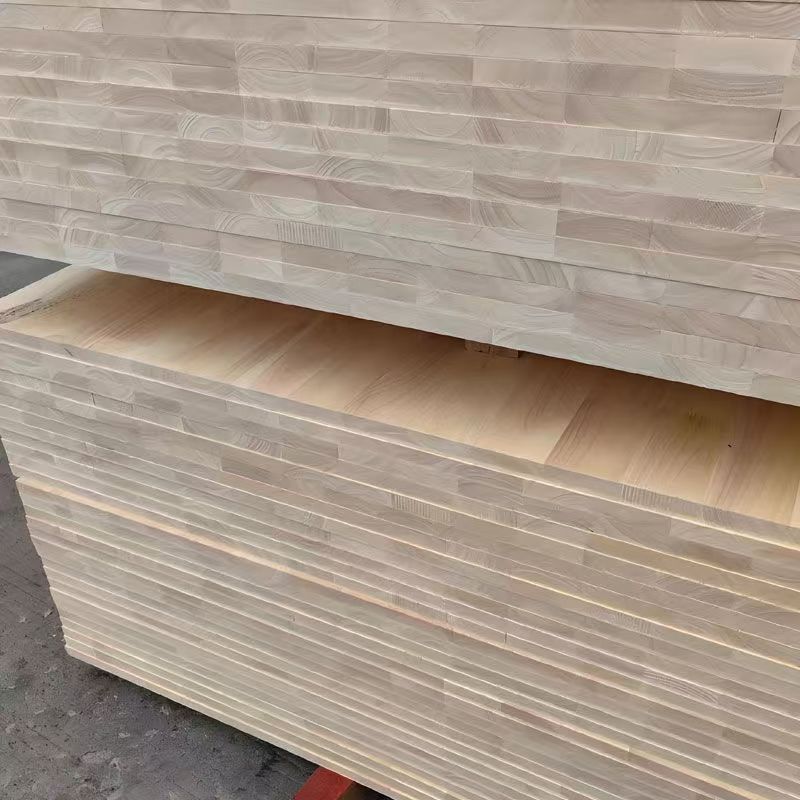
Timber Formwork and plywood formwork are often the first choice for small to medium contractors due to their low upfront investment and local availability. Compared with steel formwork panels, wooden options require less capital and are easier to cut, assemble, and adapt on-site. This flexibility makes wooden formwork panels ideal for projects with irregular layouts or limited budgets.
Applications Across Building Projects
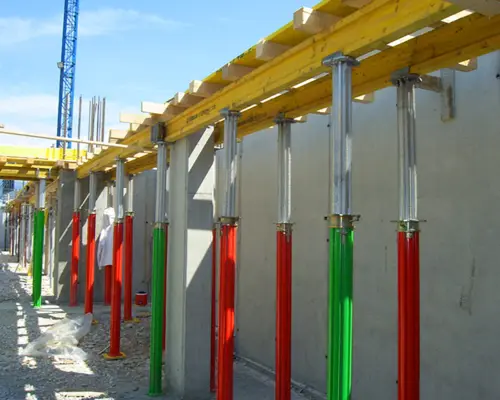
From concrete slabs and walls to foundations and columns, wooden construction formwork remains versatile. In rural housing, township development, and low-rise commercial buildings, timber formwork systems are frequently adopted for their simple handling and quick turnover. Contractors also highlight that wooden formwork integrates well with traditional building materials, making it suitable for both temporary and permanent structures.
Sustainability Challenges and Innovations
Despite its advantages, the main concern with wooden formwork is its lower reusability compared to plastic formwork or steel formwork systems. Typically, plywood formwork panels can be reused around 6–10 times, depending on quality and handling. To address environmental concerns, some suppliers are now developing eco-friendly plywood formwork with improved durability and coatings that extend lifecycle while reducing deforestation impact.
Industry Experts’ View
“Wooden Formwork still plays a crucial role in regions where cost sensitivity is high and access to advanced systems is limited,” said a construction manager from a Southeast Asian housing project. “With enhanced durability treatments, timber formwork can provide a balance between affordability and performance.”
Market Outlook
As the global demand for faster, greener, and more efficient construction grows, wooden formwork is expected to coexist with steel and plastic alternatives rather than be replaced entirely. Analysts predict steady demand in developing regions, while premium formwork panels with water-resistant and anti-warp features may see stronger adoption in export markets.