 +86 18531742341

0102030405
Why Steel Props Are Taking Over Concrete Formwork Projects
2025-09-23
In many job sites, timber supports are slowly being replaced by steel props. This isn’t just because they look modern — contractors are finding that using steel props actually saves money, shortens schedules, and makes life easier for workers.
Simple Setup, Less Labor
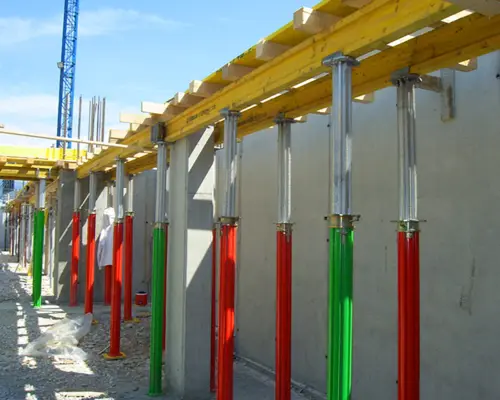
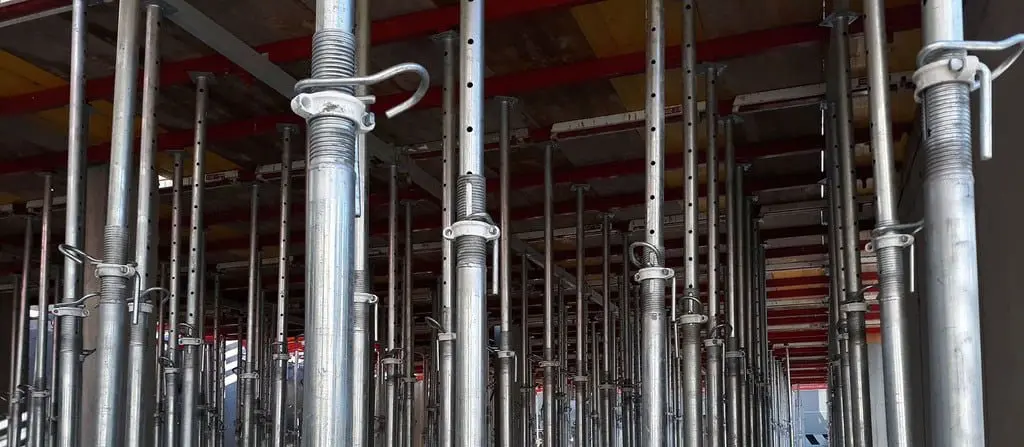
Anyone who has worked with wood supports knows how much time goes into cutting, nailing, and adjusting. With adjustable steel props, the process is much faster. Workers pull the inner tube to the right height, pin it, and tighten the collar — no saws, no measuring and trimming. On a recent mid-rise project in Chengdu, a foreman shared that his team cut their setup time by almost 30% just by switching to props. Fewer workers were needed for shoring, and the crew could focus on pouring and finishing concrete earlier in the day. On several housing projects in Chengdu and Nanjing, site managers reported that switching to steel props cut setup time by about a quarter and reduced the number of workers needed for shoring work.
Durability That Pays Off
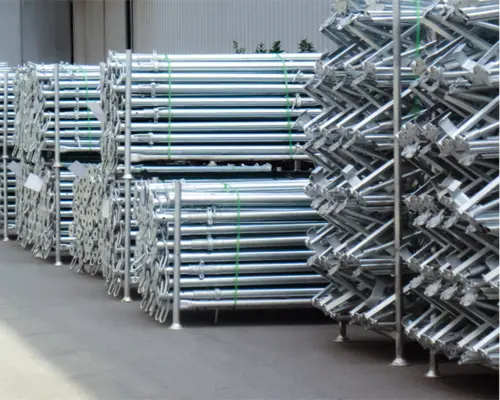
Steel props are built to last. Most suppliers now offer galvanized steel props with better rust resistance, making them suitable for multiple reuse cycles even in humid or outdoor environments. Over the life of a project, this reduces replacement costs and waste, which helps contractors keep budgets under control.
Flexible for Different Projects
Whether you are building a high-rise, a bridge deck, or a warehouse floor, adjustable steel props can be combined with U-heads, base plates, or fork heads to support slabs of different thicknesses. Their adjustable height range makes them a go-to choice for sites where floor-to-ceiling distances vary.
Looking Ahead
With more projects adopting modular formwork systems and digital construction management tools, steel props are expected to play a bigger role in future job sites. Some suppliers are already testing smart load sensors that can be attached to props to monitor pressure in real time — a step toward safer and more efficient concrete pours.