 +86 18531742341

0102030405
Why Contractors Still Rely on Wooden Beams for Everyday Formwork Work
2025-12-17
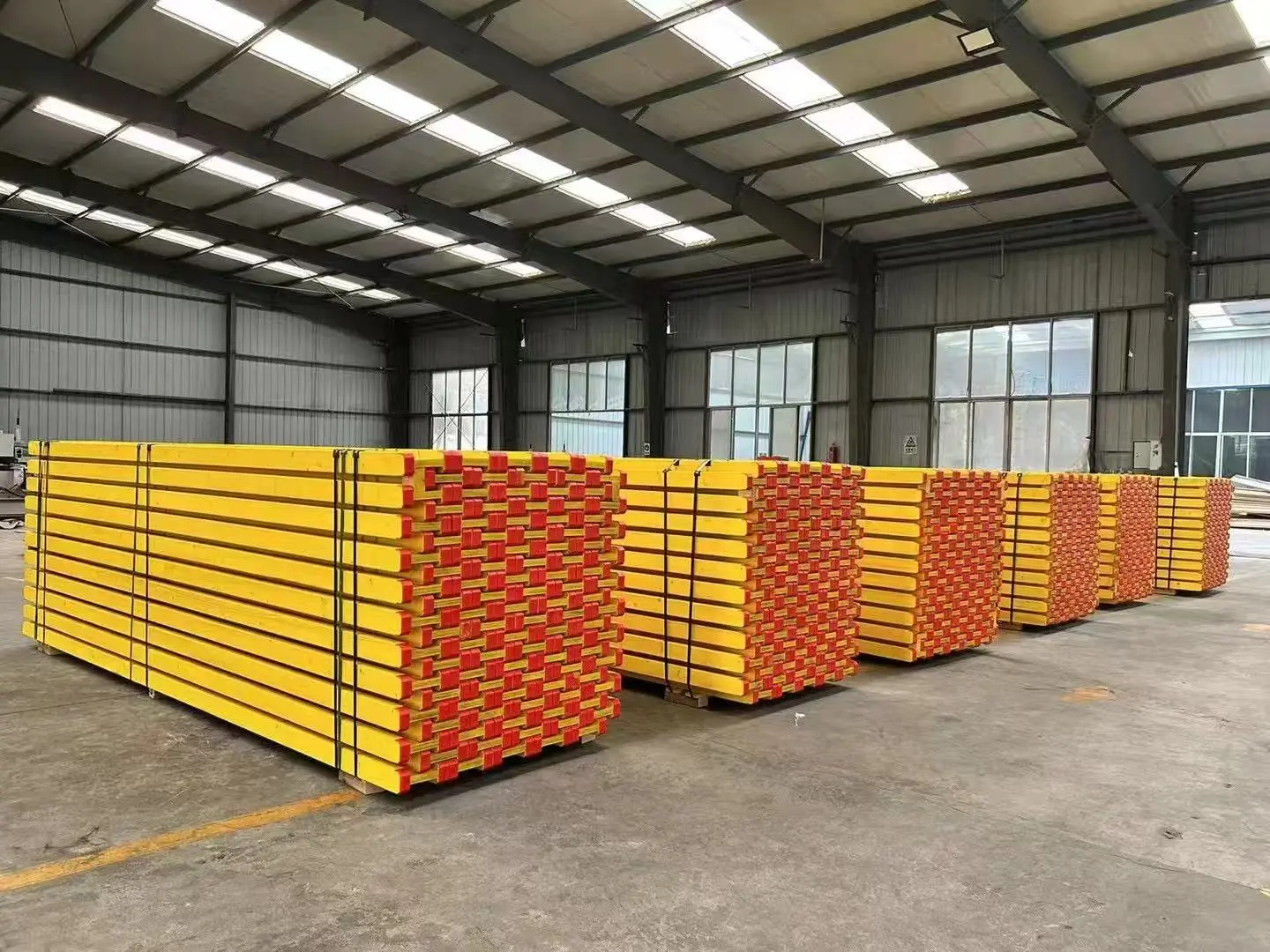
On most construction sites, wooden beamsare not treated as a highlight material. They sit quietly near the formwork area, often mixed with steel props, scaffold frames, and panels. Crews use them because they work, not because they are fashionable or new.
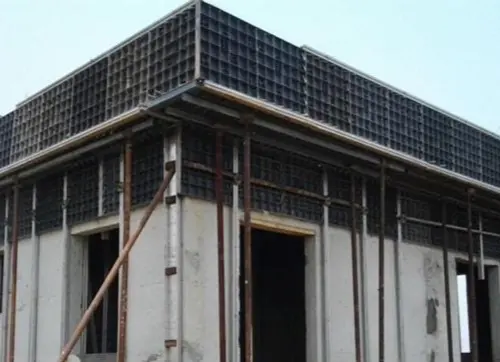
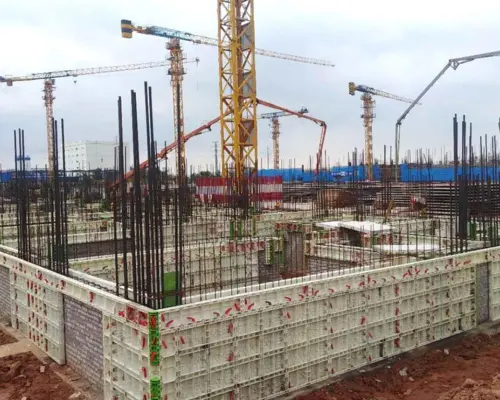
During slab and beam formwork installation, accuracy on drawings rarely matches the real structure. Floor levels may vary, columns might not be perfectly square, and edges often need small corrections. Wooden Beams are commonly used to absorb these differences. Workers cut them to length, add packing pieces, or adjust spacing without stopping the workflow. This kind of on-site correction is part of daily formwork work.
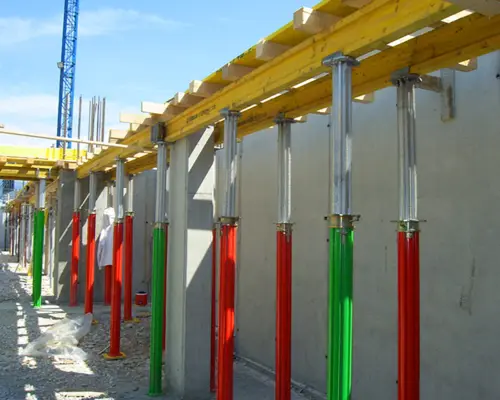
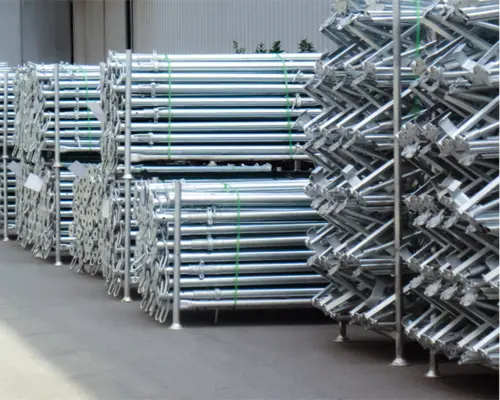
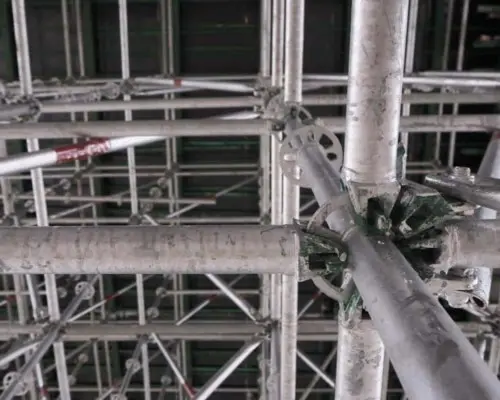
In mixed systems, H20 wooden beams are often placed between metal formwork panels and adjustable supports. They spread loads more evenly and reduce point pressure on panels. When combined with adjustable steel props or basic frame scaffold support, timber beams help stabilize the structure before concrete pouring. Many crews prefer this combination because it allows visual checks and quick changes if something feels off.
Another reason wooden beams remain common is handling. On projects without constant crane access, workers move materials manually. Timber beams are easier to lift, rotate, and reposition compared to heavier steel members. In narrow spaces, stair cores, or interior areas, this difference affects productivity more than most people realize.
Reuse is also a factor. A wooden beam used today for slab support might be reused tomorrow for edge formwork or temporary bracing. Even beams with surface damage are not immediately discarded. Crews often downgrade them to secondary use rather than scrap them. This practical mindset keeps material waste low and supports flexible site planning.
Weather conditions influence material choices as well. In cold or wet environments, wooden beams are less affected by surface condensation than metal components. Workers can grip them more easily, and slipping risks are lower during handling. While protection and drying are still necessary, crews are familiar with how timber behaves and adjust accordingly.
Wooden beams are also used during stripping. When formwork panels are removed, timber beams often remain temporarily to hold sections in place. This staged removal helps prevent sudden load shifts and reduces the risk of cracking or deformation in early-age concrete.
Despite advances in engineered formwork systems, wooden beams continue to fill gaps where standardized parts fall short. They support irregular layouts, temporary adjustments, and daily problem-solving on site. As long as construction involves real structures instead of perfect drawings, wooden beams will remain part of formwork work—not as a replacement, but as a reliable companion to modern systems.