 +86 18531742341

0102030405
The Practical Advantages Behind Modern Frame Scaffold Systems
2025-12-04
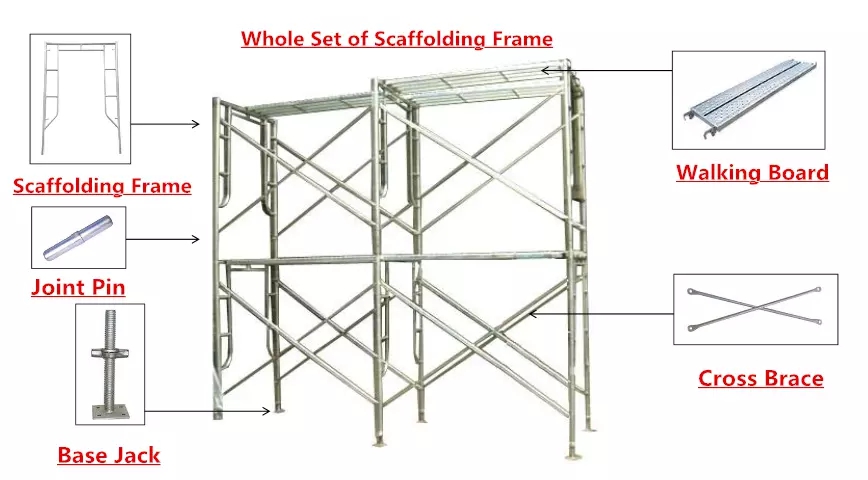
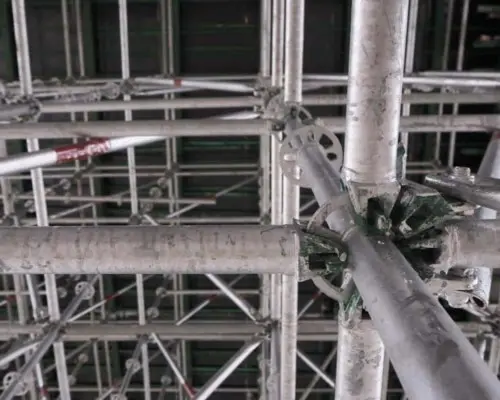
Frame Scaffold has become one of the most widely used access structures across residential, commercial, and industrial projects. Unlike complex modular systems, aframe scaffoldrelies on a clear, repeatable geometry: vertical welded frames, cross braces, steel planks, and adjustable bases. This simple but rigid arrangement is the reason it remains the preferred solution for contractors who need a fast, reliable, and easy-to-learn scaffolding system.
In many small and medium-size projects—such as façade renovation, interior maintenance, or house painting—the metal frame scaffolding outperforms most alternatives. Its lightweight welded frames reduce labor intensity, while the standardized step heights allow workers to build stable platforms with minimal adjustment. Even contractors handling house scaffolding or small commercial façades appreciate the predictable load capacity and quick setup time. For rental companies, this system is also ideal because its components stack neatly, resist damage during transport, and support high turnover between projects.
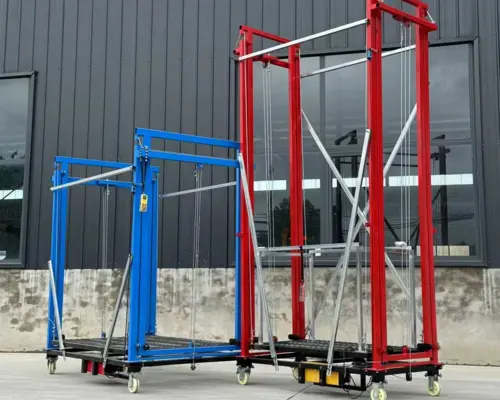
Another advantage is compatibility. Many chinA Frame Scaffold suppliers have shifted toward universal locking distances, making frames and braces interoperable across brands. This ensures contractors can expand their existing inventory without worrying about fitment issues. For projects requiring mobility—such as interior mechanical installation or warehouse electrical upgrades—the same components can be re-assembled into mobile towers, maintaining stability while improving workflow efficiency.
Despite its simple structure, a frame scaffold delivers reliable performance. The welded frames provide strong vertical rigidity, while diagonal cross braces maintain lateral stability. When paired with steel plank decks and guardrails, the platform can meet safety codes for both indoor and outdoor work. Even when used as lightweight scaffolding in confined spaces, the system maintains its structural integrity without excessive weight or installation complexity.
What truly makes the frame scaffold valuable is its role in standardizing on-site workflow. Builders can estimate quantities quickly, train new workers within a day, and maintain consistent assembly quality across teams. This reduces risk, shortens project timelines, and creates a cleaner, more organized jobsite. For long-term maintenance work or recurring building programs, the efficiency benefits become even more significant.
As construction continues to move toward rapid deployment and modular solutions, the frame scaffold remains a dependable system that balances simplicity, strength, and cost-effectiveness. Whether used for residential renovation, light commercial construction, or general industrial tasks, its practicality ensures it will stay relevant for years to come.