
 +86 18531742341

0102030405
The Difference Between Frame Scaffolding and Traditional Scaffolding
2025-08-20
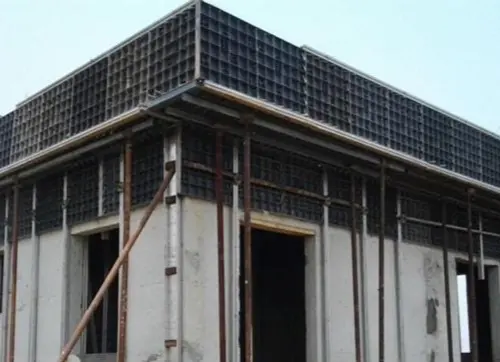
[Shanghai, August 2025] As the scale of construction projects continues to expand both domestically and internationally, construction companies are increasingly prioritizing safety, efficiency, and cost controlwhen selecting scaffolding. Recently, several construction contractors have introduced portal scaffolding (Frame Scaffolding) in residential and commercial projects in Shanghai, Guangzhou, Chongqing, and other cities, comparing it with traditional fastener-type scaffolding and achieving significant results.
1. Differences in Efficiency
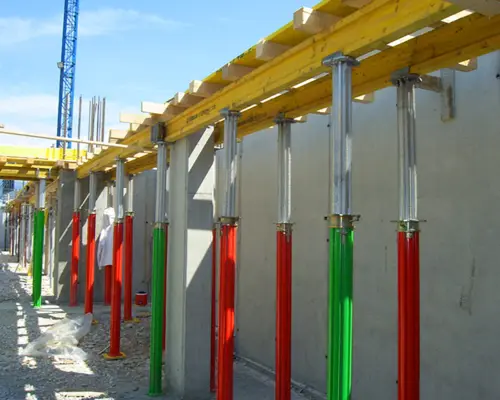
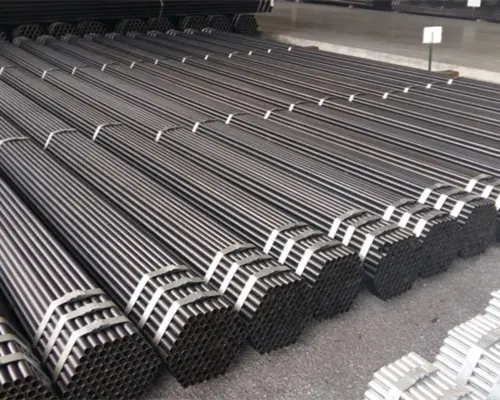
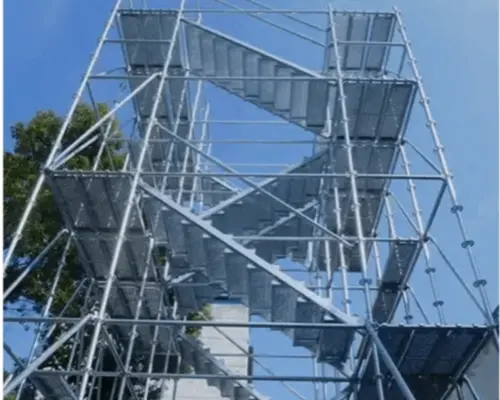
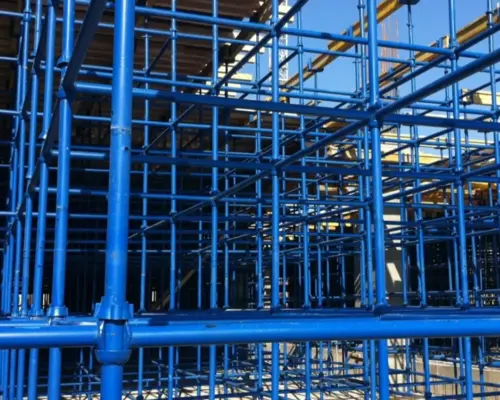
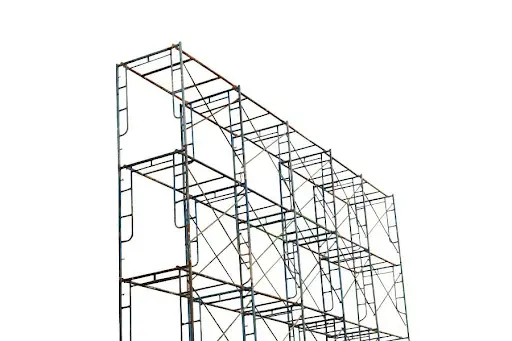
Traditional scaffolding relies on steel pipes and fasteners for step-by-step fastening. The installation process is cumbersome, time-consuming, and requires high worker skill. In contrast, steel frame scaffolding utilizes a standardized frame design that is easy to assemble, allowing two workers to complete large-scale scaffolding in a short period of time. According to statistics from a large residential community project, modular frame scaffolding improves overall construction efficiency by over 30% compared to traditional scaffolding, effectively shortening construction time and truly realizing the advantages of quick installation scaffolding.
2. Improved Safety
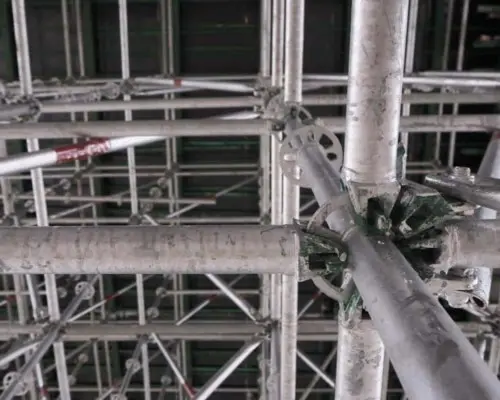
In terms of safety, traditional scaffolding is prone to structural instability due to loose fasteners or improper installation. Galvanized frame scaffolding, on the other hand, offers strong overall stability, corrosion resistance, and weatherproofing, while also complying with OSHA and EN international standards. This type of Construction Scaffolding system, equipped with a reliable locking and support system, significantly reduces the risk of falls and overturning during construction. A project manager in Guangzhou commented, "Since introducing frame scaffolding, on-site scaffolding safety has significantly improved, and worker confidence has increased."
3. Economic and Cost Advantages
From an economic perspective, while the initial investment cost of frame scaffolding is slightly higher than that of conventional steel pipe fastener scaffolding, its high reuse rate, reduced labor requirements, and low maintenance costs make it a more cost-effective option. For example, in a commercial complex in Chongqing, the construction company calculated that the use of steel frame scaffolding reduced overall construction costs by approximately 15%, while also ensuring project progress.
4. Wider Application Scenarios
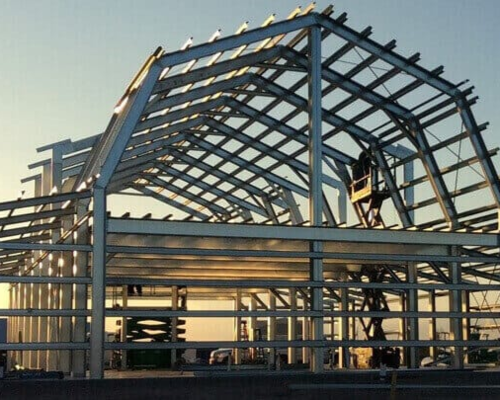
Currently, frame scaffolds are widely used in a variety of fields, including residential construction, bridge engineering, interior decoration, and industrial maintenance. The flexible structure of modular frame scaffolds allows contractors to quickly adjust the scaffolding to suit different heights and scenarios, achieving high adaptability and efficient construction.
5. Industry Trends and Future Outlook
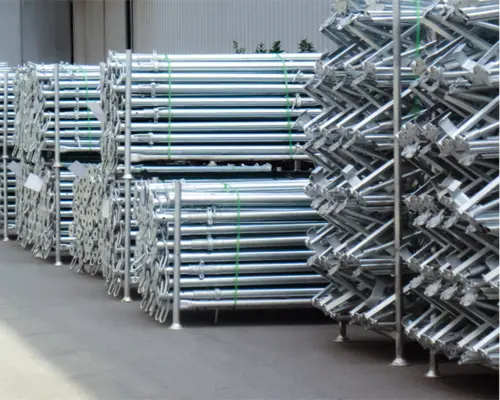
Industry experts indicate that as the construction industry's requirements for safety standards and green construction continue to rise, frame scaffolding will gradually replace traditional scaffolding and become the mainstream market. In the future, galvanized frame scaffolding, which combines hot-dip galvanizing with corrosion-resistant and wear-resistant treatments, will further extend its service life and reduce long-term costs, providing global construction companies with superior construction scaffolding system solutions.