
 +86 18531742341

0102030405
Steel vs. Concrete Structures: Comparative Advantages
2025-08-21
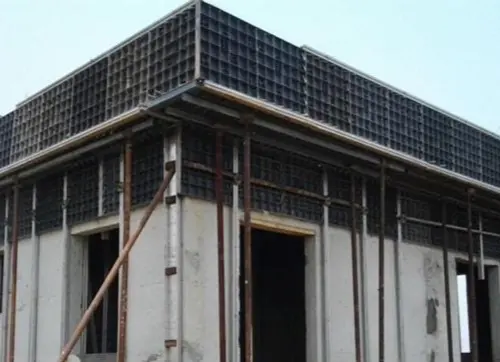
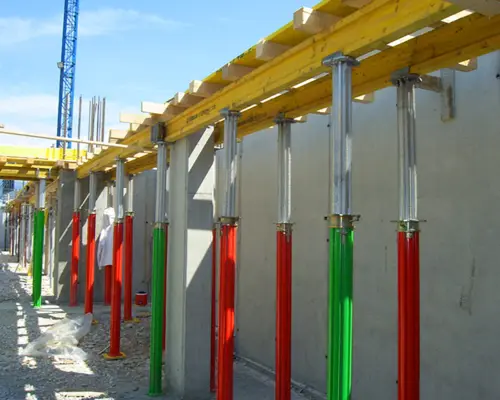
With the rapid pace of global urbanization, the choice between steel and concrete structures has become one of the most debated topics in the construction industry. Developers, contractors, and architects are now carefully evaluating which system offers the best performance in terms of construction time, project costs, sustainability, and seismic safety.
Construction Timeframe: Speed is Crucial
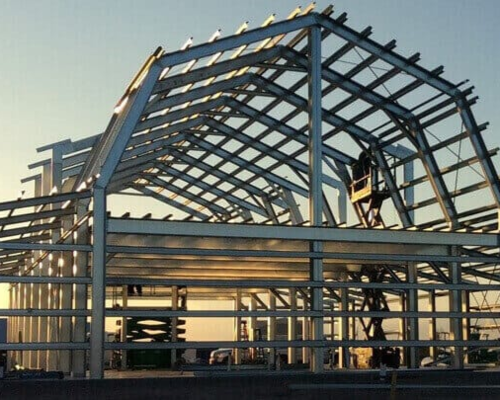
One of the most significant advantages of steel structures is their rapid assembly. Prefabricated steel components can be fabricated in advance and assembled on-site with high precision. Mid-rise office buildings designed with steel frames are typically completed 30-40% faster than similar projects constructed with reinforced concrete. In contrast, concrete requires curing and longer on-site labor, which prolongs the project duration.
Cost Comparison: Long-Term Savings
While the initial investment in steel-frame structures may be slightly higher due to prefabrication and fabrication, overall project costs are typically lower. The shorter construction period means savings in labor, equipment rental, and overhead costs. Concrete structures, on the other hand, typically have lower upfront material costs, but higher labor costs and a longer construction period. For large-scale projects such as airports or stadiums, contractors are increasingly choosing steel to minimize their overall investment.
Environmental Performance: Towards Green Buildings
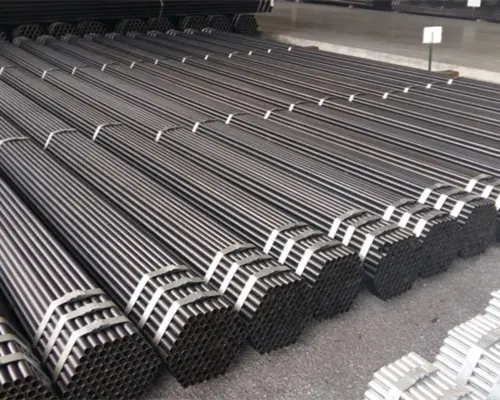
In the era of sustainable development, Steel Structures offer a clear advantage over concrete in terms of recyclability. Structural steel can be reused or recycled without significant degradation in performance, making it an environmentally friendly choice. While durable, concrete is less sustainable due to the high carbon footprint of cement production and the difficulty in recycling demolition waste. For projects pursuingLEED or BREEAM certification, steel has become the preferred material.
Seismic Resistance: Safety First
Earthquake-prone regions such as Japan, California, and Turkey rely heavily on steel-framed buildings due to their flexibility and high strength-to-weight ratio. Steel structures are designed to absorb earthquake energy and deform without collapsing, significantly reducing the risk of casualties. In contrast, reinforced concrete structures are more rigid and can suffer brittle failure under extreme seismic forces. This performance difference is one of the key reasons why modern high-rise towers and long-span bridges are primarily steel structures.
Industry Insights
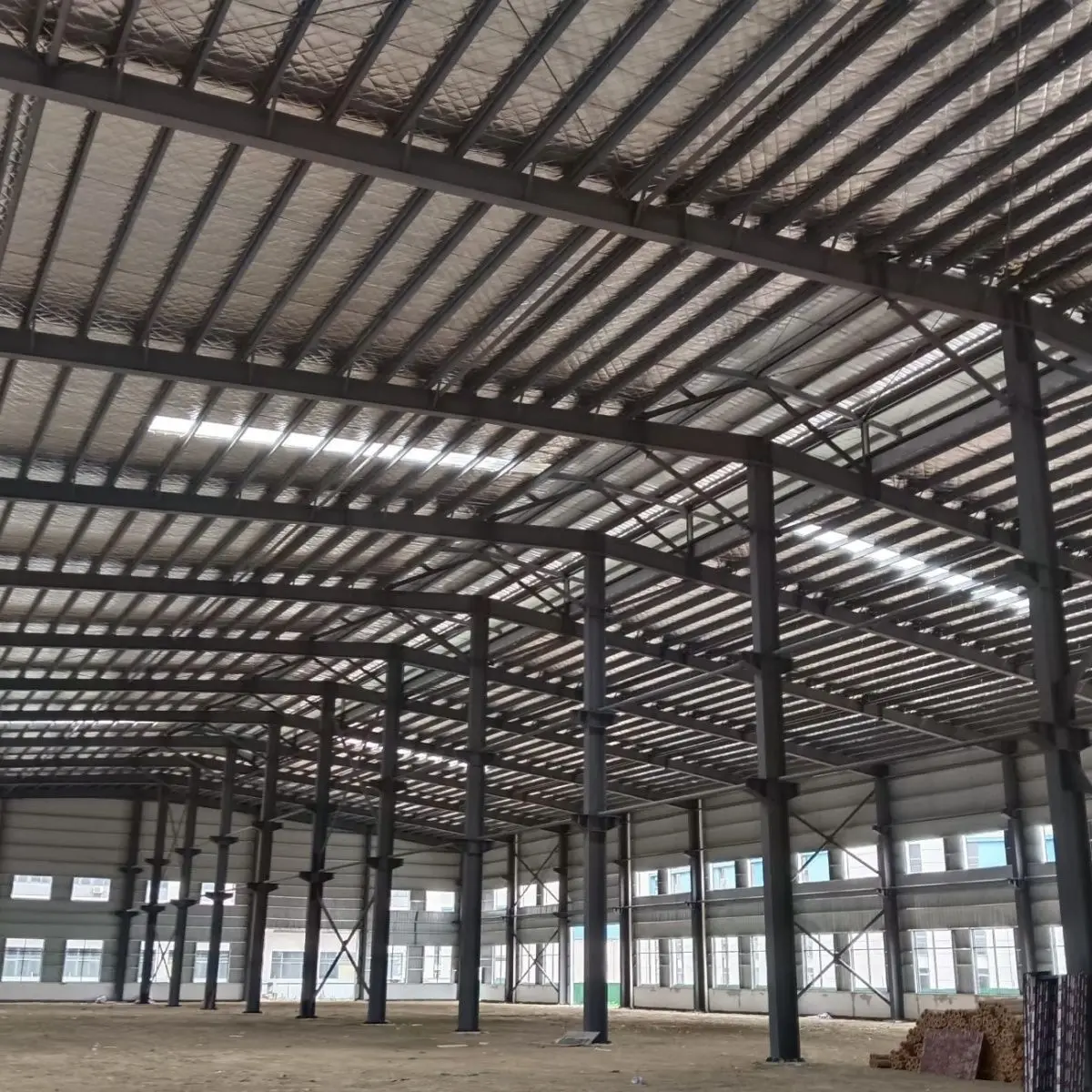
According to a recent industry report, over 60% of large international projects currently utilize steel structures, particularly in commercial complexes, high-rise towers, and industrial plants. Experts believe that with advances in high-strength steel and digital fabrication technologies, the adoption of steel structures in global construction will continue to grow.
Conclusion
The choice between steel and concrete structures depends on the project type, budget, and local regulations. However, considering construction efficiency, long-term costs, environmental benefits, and seismic performance, steel structures are becoming a more sensible solution for modern urban development.