 +86 18531742341

0102030405
Steel Props Play a Steady Role in Everyday Concrete Formwork Work
2025-12-31
Across many active construction sites, steel props continue to quietly support daily concrete formwork operations. From residential slabs to commercial floor systems, these adjustable
supports remain one of the most familiar pieces of temporary equipment on site. While newer shoring systemsappear regularly, steel props are still widely used because of their simplicity, adaptability, and reliability under routine loads.
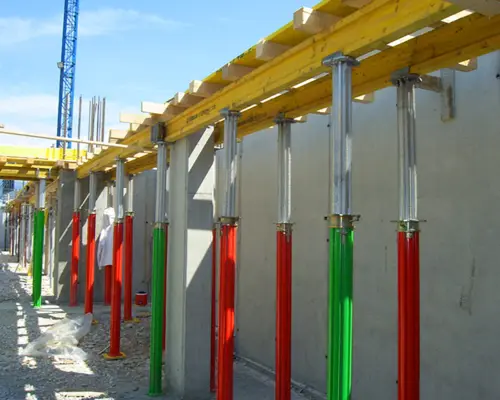
On a typical concrete pour, steel props are installed early in the preparation stage. Crews first check the ground or slab surface to ensure it is clean and level. Base plates are placed to distribute the load evenly, especially in areas where the surface shows slight unevenness. Site supervisors note that many problems associated with formwork movement can be traced back to poor base conditions rather than the steel props themselves.
During installation, workers usually extend the steel prop to its rough height using the adjustment holes, then fine-tune the height with the threaded collar. This method reduces stress on the
threads and helps maintain the load-bearing capacity of the prop. On larger pours, spacing is carefully measured instead of estimated by eye, as uneven spacing can lead to localized deflection in beams or slabs.
Steel props are also valued for their compatibility with different formwork systems. Whether combined with timber beams, plywood panels, or modular formwork, they adapt easily to changing layouts. On renovation projects or small-scale jobs where layouts vary from floor to floor, this flexibility saves time and reduces the need for specialized equipment.
Daily inspection remains part of routine site management. Before each use, crews check for bent tubes, damaged threads, or missing locking pins. Props that show visible deformation are usually set aside for repair or replacement. This simple habit has proven effective in reducing on-site incidents related to temporary support failure.
Maintenance practices are straightforward but important. After stripping formwork, wet concrete is removed before it hardens around the threads or adjustment collar. Some contractors apply light oil to moving parts, particularly when steel props are stored for extended periods. Although steel props are built to handle tough site conditions, regular cleaning helps extend their service life and keeps adjustments smooth during future use.
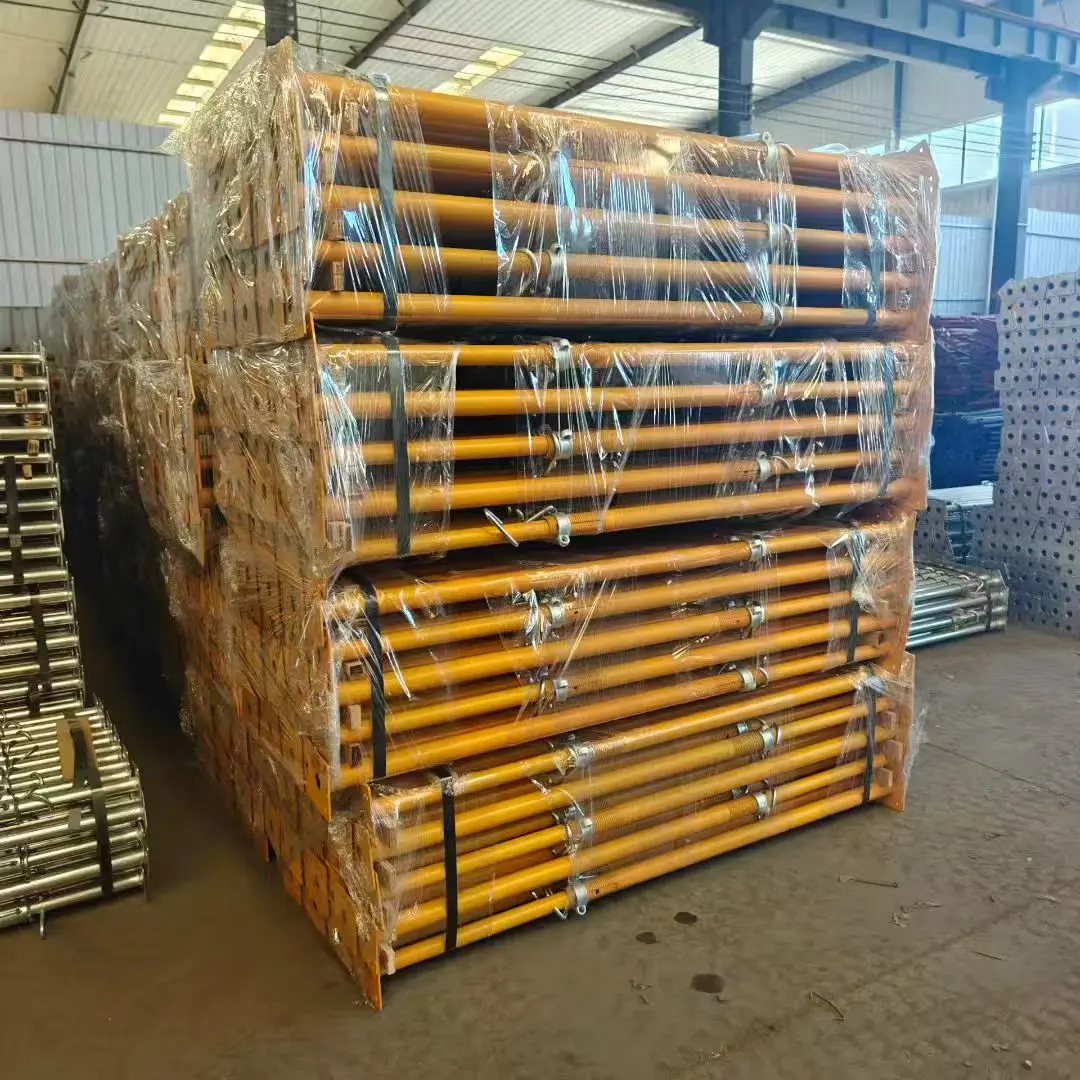
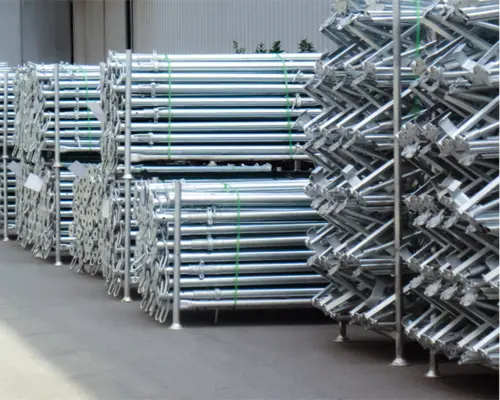
Storage is another factor that affects performance. Instead of stacking steel props directly on the ground, many sites now store them on racks or timber supports to reduce contact with moisture. Proper storage also makes it easier to sort props by size, which speeds up setup during tight construction schedules.
While steel props may not attract much attention, their role in everyday concrete formwork work remains essential. Through correct installation, routine inspection, and basic maintenance, construction teams continue to rely on steel props as a stable and practical solution for temporary support across a wide range of projects.