
 +86 18531742341

0102030405
Steel Pipes Require Simple Care to Stay Reliable Over Time
2026-01-07
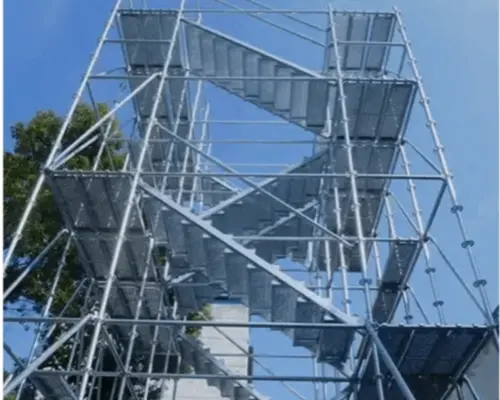
Across construction sites, steel pipescontinue to be used every day in scaffolding, formwork support, and temporary structures. From Frame Scaffold assemblies toadjustable steel propsand exterior Scaffolding Setups, these pipes often move in and out of service repeatedly. While steel pipes are known for strength and durability, site supervisors note that their long-term reliability depends less on material grade and more on how they are handled between uses.
On many projects, the first signs of trouble appear not during heavy loading, but during reassembly. Bent ends, damaged threads, or surface corrosion can slow down installation and reduce stability. Workers involved in house scaffolding and metal frame scaffolding often point out that most of these issues come from rough unloading, dragging pipes across concrete, or stacking them directly on wet ground after dismantling.
Routine cleaning has become a basic practice on better-managed sites. After dismantling exterior scaffolding or facade scaffolding systems, crews usually remove concrete splashes and dirt before storage. This is especially important for galvanized pipe and advanced Q235 galvanized pipe, where surface protection works best when not damaged by hardened debris. Even a simple rinse and wipe-down helps preserve the zinc layer and keeps connections smooth during the next setup.
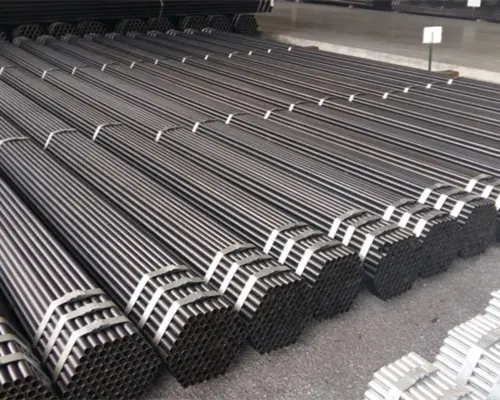
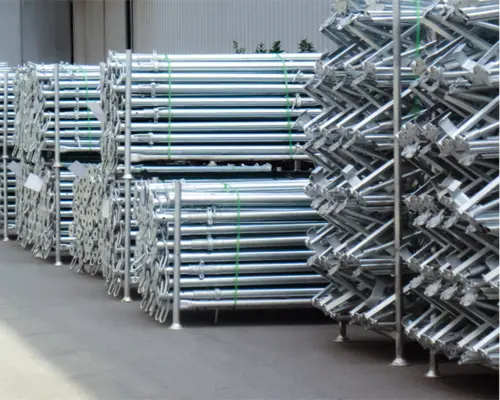
Storage conditions also play a role. Instead of piling steel pipes directly outdoors, some contractors now use racks or raised pallets, keeping pipes off the ground and improving air circulation. This approach is common on projects that rely heavily on metal scaffolding outside buildings or cantilever scaffolding, where pipes are exposed to weather more often. Proper storage reduces rust risk and makes it easier to sort pipes by length and application.
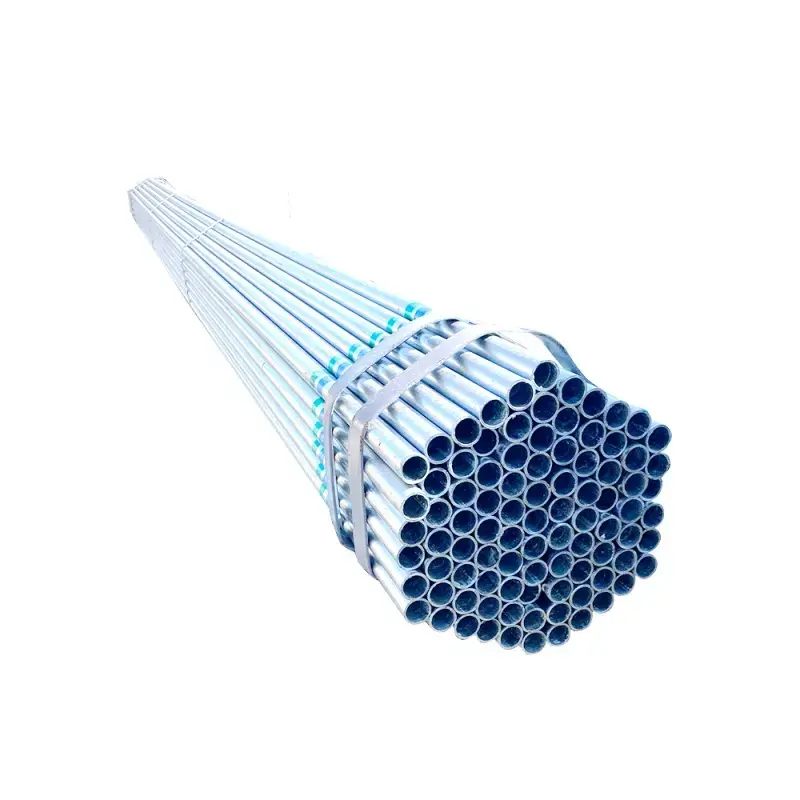
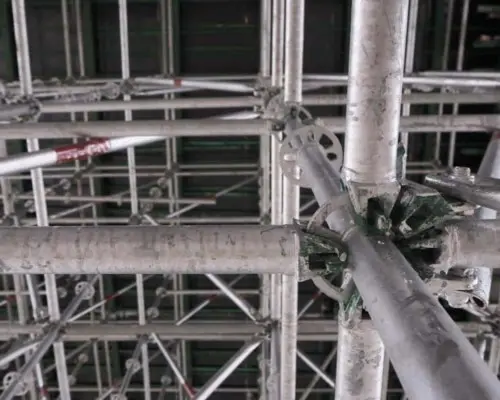
Handling during transport is another detail crews are paying more attention to. When steel pipes are bundled tightly and secured during movement, there is less impact damage to pipe ends. This matters for systems that connect with scaffolding clamps, double scaffold couplers, or other metal fastener clips, where even small deformations can affect fit and safety.
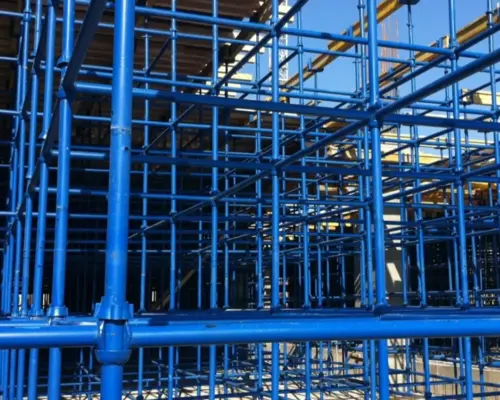
Site managers note that these habits do not require special tools or extra labor. Instead, they rely on consistency. Teams working with formwork scaffold systems or cuplock scaffold structures often assign basic checks at the end of each shift, looking for visible bends, coating damage, or blocked interiors. Pipes that show early signs of wear are separated for repair or replacement, preventing larger issues during assembly.
As construction schedules tighten and equipment cycles become faster, steel pipes remain a dependable part of many temporary structures. Simple care—cleaning, careful handling, and proper storage—helps ensure that steel pipes continue to perform reliably over time, supporting safe and efficient work across a wide range of construction applications.