
 +86 18531742341

0102030405
Steel Pipes and Their Role Across Construction Projects
2025-10-28
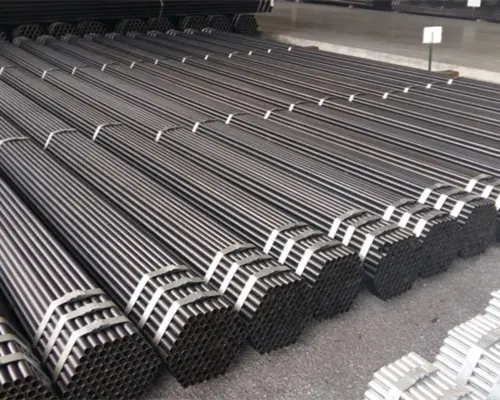
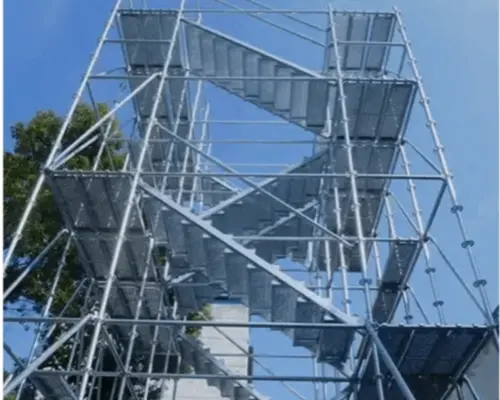
Steel pipesmight seem like a simple material, but they show up almost everywhere in modern construction. From carrying loads in scaffolding to forming part of a building’s main structure, their strength and flexibility make them hard to replace.
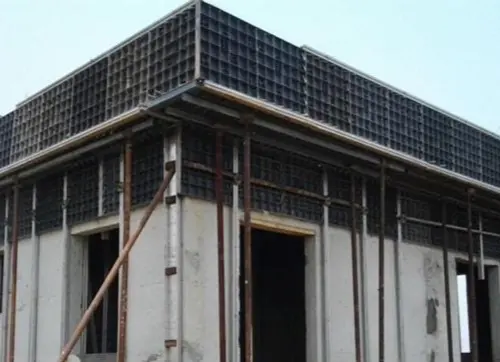
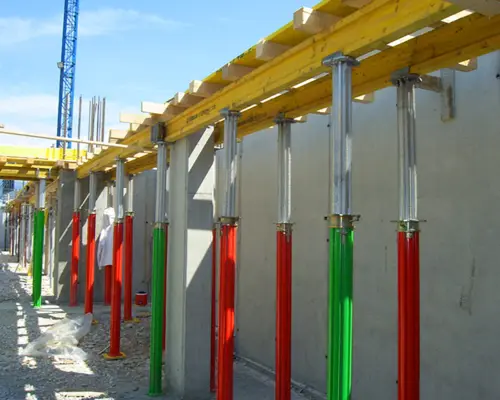
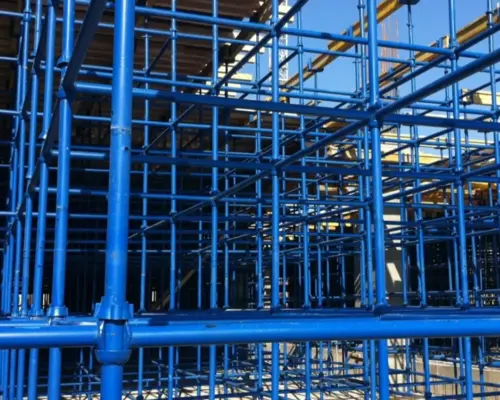
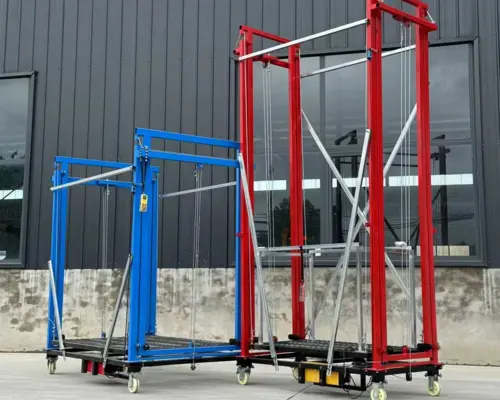
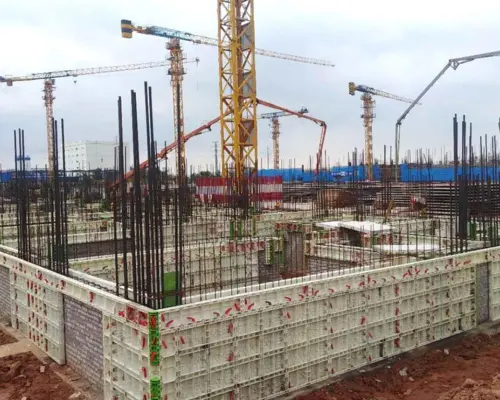
On the structural side, steel pipes are often used for temporary and permanent supports. Because they handle both vertical and side pressure well, they’re found in everything from formwork systems to foundation piles. Crews like them for their reliability — a round tube spreads weight evenly and stays stable under stress.
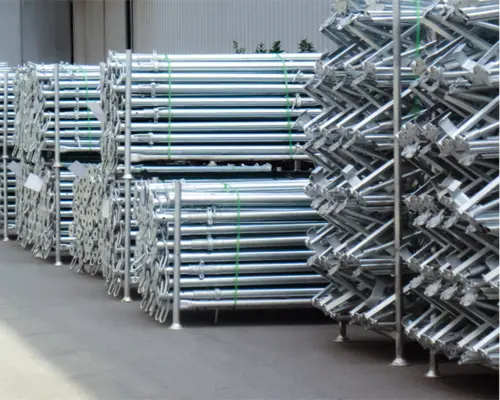
In infrastructure projects, steel pipes do even more. They move water, gas, and air across cities and industrial sites. When coated or galvanized, they can stand up to years of moisture and temperature change. Bridges, tunnels, and drainage systems depend on them to keep running safely.
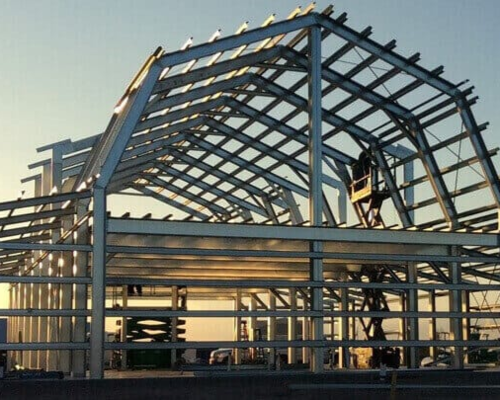
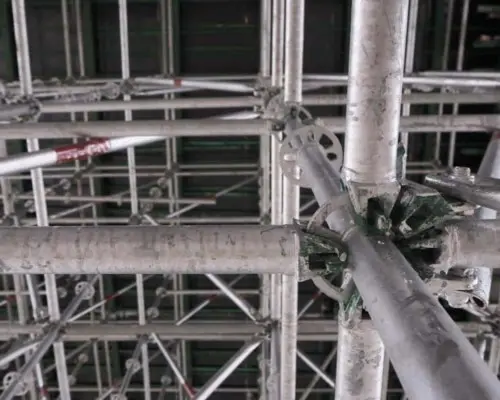
Factories and industrial buildings rely on steel pipes too. They support heavy machines, electrical lines, and conveyor systems. Since steel is easy to weld, cut, and connect, it fits almost any design without losing strength.
More recently, architects have started using steel pipes for visible design work — things like stair rails, façade elements, and open-frame interiors. The clean look fits the modern industrial style while still offering solid support.
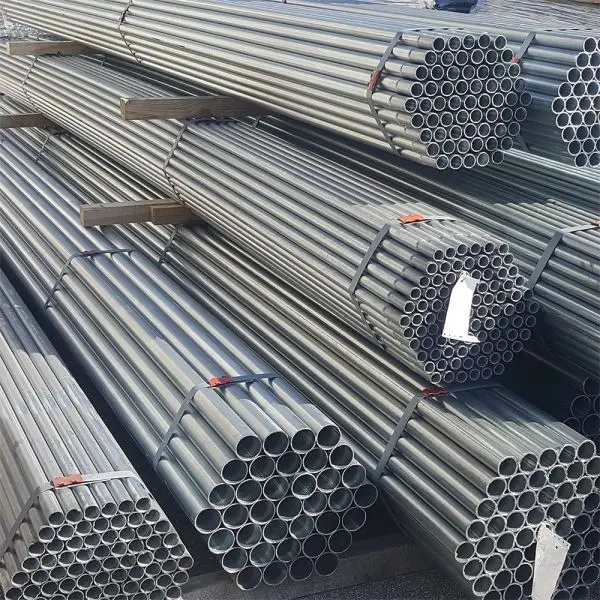
There’s also an environmental advantage. Steel can be reused or recycled again and again with no loss in quality. That makes it one of the few Building Materials that’s both strong and sustainable.
So, while steel pipes don’t always stand out, they’re behind the strength and stability of nearly every major construction project. Whether hidden inside a wall or part of the visible frame, they quietly hold the modern built world together.