
 +86 18531742341



0102030405
Ringlock Scaffold Installation Methods Commonly Used on Construction Sites
2025-11-25
On many construction sites today, ringlock scaffold systems have become one of the most dependable choices for exterior work, renovation tasks, and larger building projects. Crews appreciate the system not just for its strength, but also for how predictable the installation process is. Most teams follow a routine that has been shaped by years of on-site experience, making the whole scaffolding system safer and faster to assemble.
Everything starts with the ground. Before the first base jack is set down, workers take time to check levels and mark out the scaffold line. On softer surfaces, wooden pads or steel base plates are added so the load doesn’t shift later. Foremen often point out that if the base isn’t stable, even the best steel plank or bracing can’t keep the structure from leaning once the scaffold goes higher.
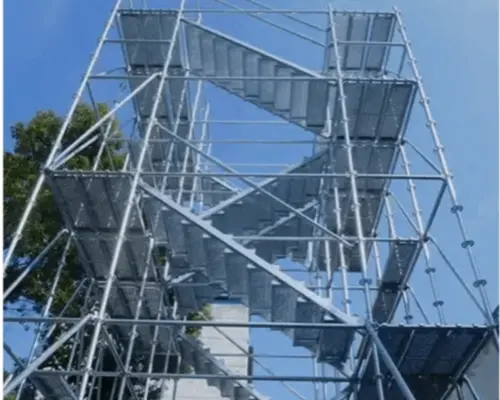
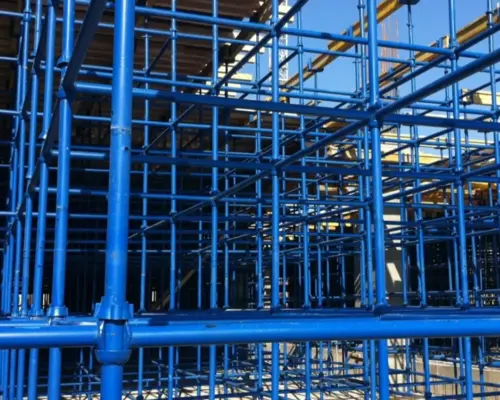
Once the ground is prepared, crews begin placing the vertical standards. Ringlock Scaffold nodes make alignment easy to see, but that doesn’t stop workers from double-checking everything with a level or plumb line. On high-rise projects, even a small deviation at the bottom turns into a noticeable lean by the third or fourth lift, so accuracy during these early steps
really matters.
After the first set of standards is positioned, ledgers and diagonal braces are connected to form a rigid starting frame. Many sites organize their ledgers by size beforehand so workers can
grab what they need without slowing down the workflow. When the basic frame is ready, steel planks or other walkway materials are added to create a workable platform.
Safety components—guardrails, toe boards, and exterior protection—are usually installed at the same time. On busier roadsides or windy zones, some contractors add mesh or safety
netting to prevent tools or debris from falling off the platform.
As the scaffold rises, crews continue securing the structure with tie-ins at key points. These connectors help the scaffold and the building work together as a single, stable system. On tall
jobs, this step is considered a must, not an option.
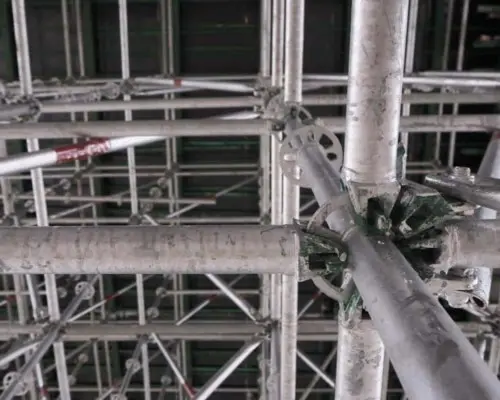
Inspections are another routine part of the build. Supervisors walk each lift, tightening loose fittings, checking node connections, and making sure the entire frame stays upright. Some teams even mark important connection points to make follow-up checks faster during long-running projects.
By the time the scaffold reaches its full height, most of the work is simply repeating the same careful habits: accurate alignment, secure connections, clean and stable platforms, and consistent checking. These small steps are why ringlock scaffold continues to perform reliably, even on demanding construction sites.
Although the system itself is engineered for efficiency, the final result still depends on the workers handling it. Their installation habits—steady preparation, thoughtful sequencing, and
frequent inspection—turn a pile of components into a safe, predictable scaffold that supports the pace of modern construction.