 +86 18531742341

0102030405
Practical Guidelines for Using and Maintaining Steel Props on Construction Sites
2025-11-26
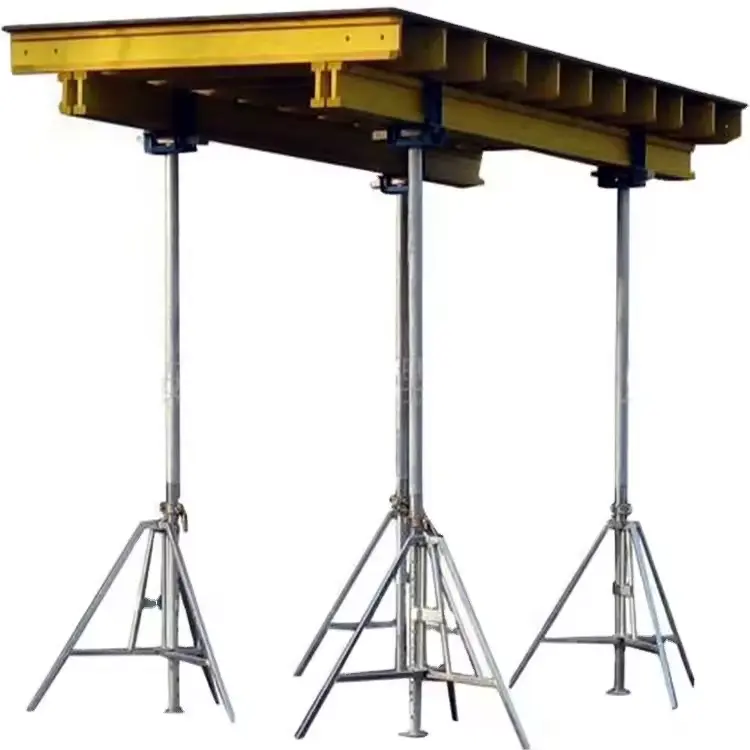
Most construction crews treat steel props like any other tool, using them casually. However, those in the know understand that these props rely on daily maintenance and on-site experience to ensure their durability. Steel supports need to be adjusted daily for height, support beams, and formwork. Even galvanized steel supports can become clogged with mud, rust, or have their threads jammed by concrete slurry over time. Therefore, workers usually scrape the threads before starting work to remove any sand, making adjustments much easier. Some people find this troublesome and use a hammer, but this is the worst thing they can do to the adjustable jack, causing it to become stiff over time.
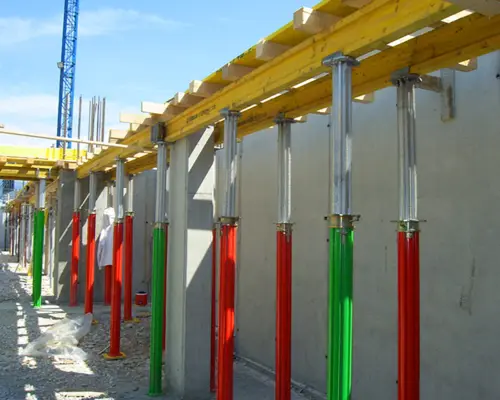
When installing supports on-site, most experienced workers don't immediately push them upwards forcefully. Instead, they first align the pins to the desired height, ensuring the inner tube is roughly in place, and then slowly adjust it to the required height using the threads. This saves effort and reduces pressure on the locking structure, especially noticeable on uneven floors. Some teams also like to place a piece of wood or steel plate under the base plate for greater stability, preventing it from wobbling when stepping on loose soil or old concrete debris. While the load capacity of steel supports may look impressive, on-site workers never just look at the numbers. When used in slab formwork or beam supports, the spacing isn't arbitrary; it's always based on drawings or prior experience. Incorrect spacing can cause formwork to sink; once the concrete is poured, all problems will be magnified. Experienced workers have learned this the hard way, so they're always extra careful with the placement of shoring systems.
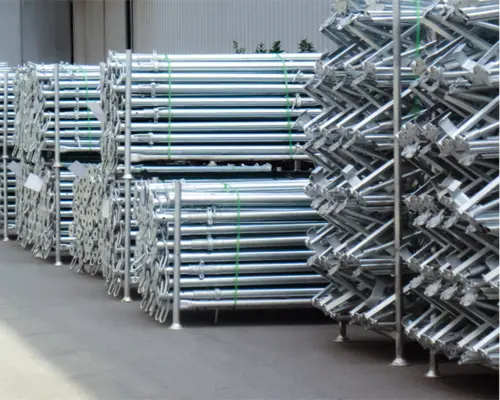
Cleaning is the most tedious part, but there's no shortcut. If formwork is removed that day, the steel supports will inevitably have a layer of grout stuck to them, some even seeping into the threads. You have to tap and scrape it off before it dries completely, otherwise you'll have to spend half a day scrubbing it with a wire brush the next day. After rain, some ungalvanized props will develop small rust spots; on-site workers usually just apply a little oil as a token effort, which can extend their lifespan. Many construction sites used to just throw props on the ground, and after a few days they'd become a pile of damp mud. Now, people have learned to put them on pallets or angle iron frames, neatly categorized and stacked, making them easier to find.
These may sound like minor details, but they are precisely what significantly impact the lifespan of steel props. Steel props aren't high-tech equipment, but their stability directly affects pouring safety. With a little extra care from the on-site personnel, both galvanized steel props and standard ones can last longer and be more stable, making the entire support system much more reliable during fast-paced pouring.