
 +86 18531742341

0102030405
Practical Guide to Using Aluminum Props on Construction Sites
2025-11-19
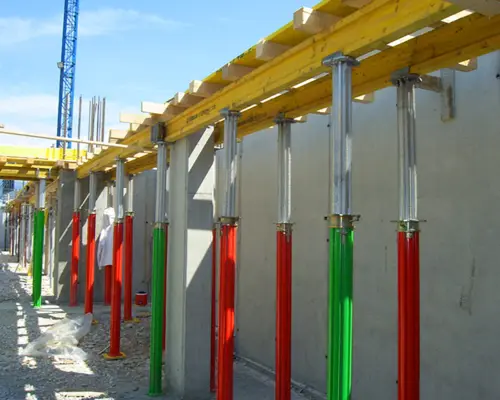
Aluminum props have become a common sight on modern construction sites, especially in projects that involve slab formwork, beam support, and fast-paced concrete work. Their light weight and convenient adjustment system make them easier to handle than traditional steel props, but the way they are used on site still plays a major role in performance and lifespan. Many contractors now treat aluminum props as long-term equipment rather than disposable tools, and that shift has brought more practical routines into daily work.
One habit that experienced crews rely on is checking the threads before any setup. Aluminum props often collect small bits of concrete or sand after a single pour, and these particles can
jam the collar or damage the inner tube. A quick brush-down keeps the adjustment smooth and reduces the effort needed when props must be set at different heights across a wide slab
area.
Correct positioning is another point workers pay attention to. Instead of forcing the prop upward, most crews first align the pin holes to reach the approximate height, then finish the final adjustments with the threaded collar. This technique helps maintain the load-bearing capacity of aluminum props and prevents unnecessary stress on the locking system. When supporting formwork for beams or higher loads, crews double-check that the base plates sit flat on stable ground, especially in older buildings where the floor level varies.
For contractors who use aluminum shoring systems regularly, load distribution is also part of the routine. Even though aluminum props are known for their strength-to-weight ratio, they
work best when spaced evenly and combined with proper beams, U-heads, and formwork panels. Uneven spacing is one of the most common causes of deflection, so teams usually follow a
layout plan instead of “eyeballing” distances.
Cleaning and maintenance may sound like small tasks, but they have a noticeable effect on the service life of each prop. Workers remove wet concrete immediately after stripping, which prevents surface build-up that can interfere with adjustments. Some contractors also apply a light oil coating on the threads before long storage periods. Because aluminum props resist corrosion better than steel, they’re often stored for years without serious wear—as long as the moving parts stay clean.
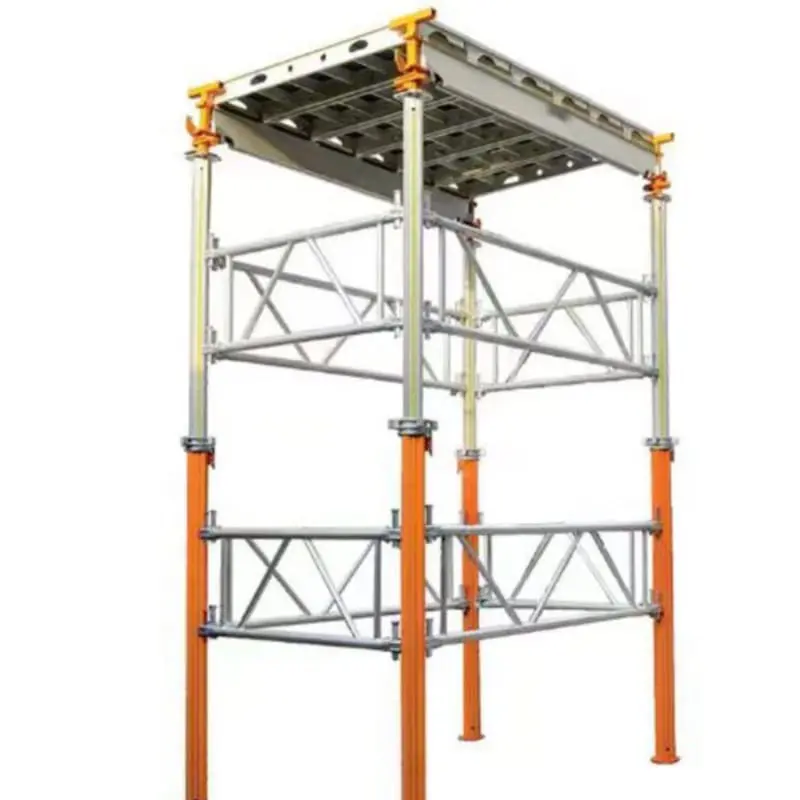
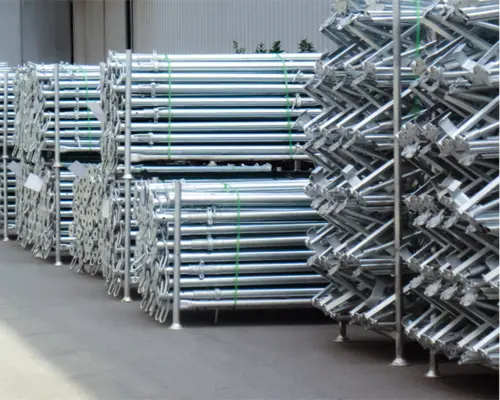
Proper storage is another factor that affects durability. Instead of stacking aluminum props directly on damp ground, many sites now use racks or elevated pallets. This keeps moisture away from the threads and base plates and makes it easier to sort different prop sizes during large pours.
Construction teams appreciate adjustable aluminum props because they offer a mix of strength, light weight, and convenience, but the real impact comes from day-to-day
handling. With
simple routines like thread cleaning, careful adjustment, accurate spacing, and proper storage, contractors extend the lifespan of their aluminum props and maintain a safer, more
efficient support system for concrete work.