 +86 18531742341



0102030405
Plastic Formwork Reduces Site Waste but Demands Tighter Handling Discipline
2025-12-19
Plastic formwork is often promoted for its long service life, but recent site feedback shows that results depend heavily on how the system is handled on a daily basis. On several building projects this year, supervisors have pointed out that improper storage and rough stripping practices can shorten the lifespan of plastic panels just as quickly as timber ones.
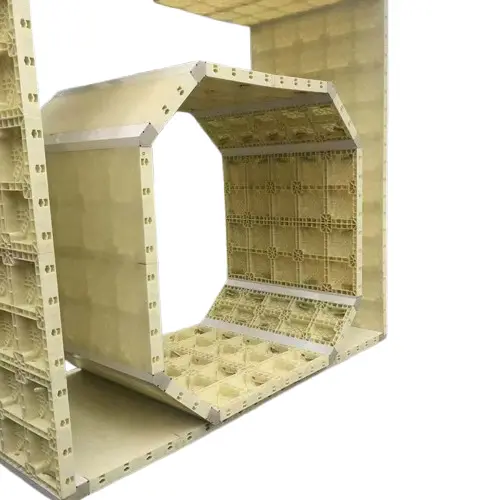
Unlike plywood,Adjustable plastic formwork does not tolerate impact damage well. Dropping panels from height or using steel tools directly on panel edges can lead to cracks that spread over repeated pours. Some crews, used to working with disposable timber sheets, continue the same habits when switching to plastic systems, leading to unexpected replacement costs.
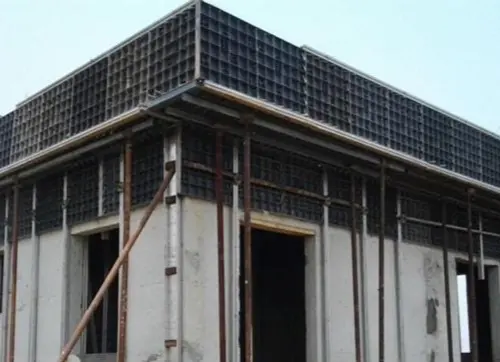
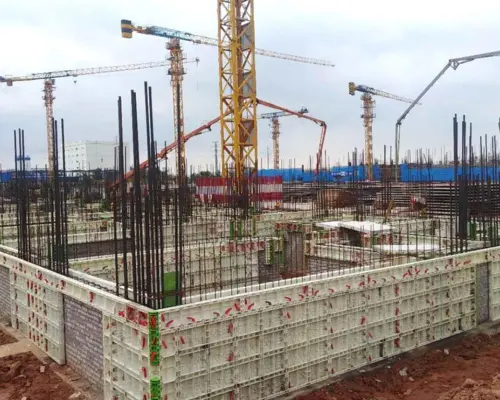
Site managers note that clear handling rules make a visible difference. Panels stored flat, cleaned immediately after stripping, and kept away from direct sunlight show far less deformation. In projects using modular plastic formwork for slabs and walls, teams that follow basic routines report stable alignment and fewer surface defects over time.
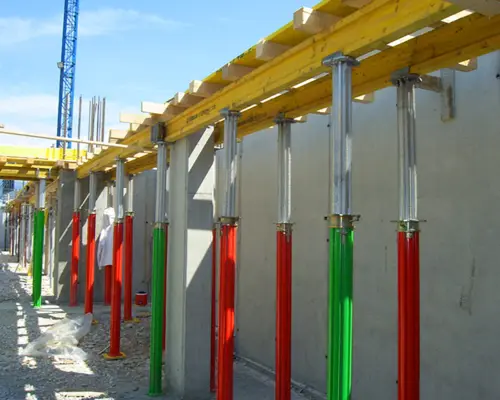
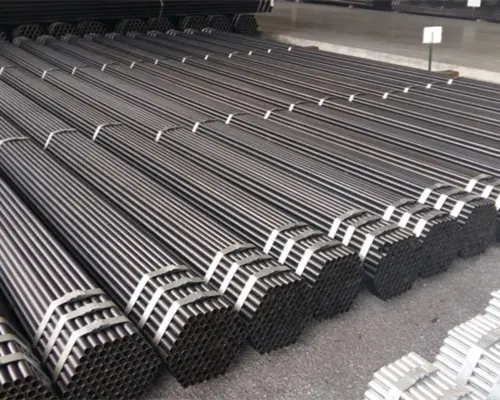
Plastic formwork System is also sensitive to connection quality. When combined with adjustable steel shoring props and standard formwork frames, loose fasteners or misaligned supports can create uneven pressure on the panels. This not only affects concrete finish but also stresses the panel joints. As a result, supervisors increasingly treat plastic formwork as a system rather than a simple panel replacement.
Another point raised on site is training. Crews familiar with metal formwork often expect plastic panels to behave the same way under load. In reality, load distribution needs to be more even, especially in column and beam applications. Projects that introduced short, hands-on training sessions saw fewer damaged panels within the first few cycles.
Despite these challenges, contractors are not stepping away from plastic formwork. Instead, they are adjusting management practices. Where lightweight formwork is used correctly, it helps reduce manual handling strain and lowers material waste compared to single-use timber. The key difference is that plastic formwork rewards care and consistency rather than speed alone.
As plastic formwork becomes more common on everyday construction sites, its success is increasingly tied to discipline on the ground. Used casually, it underperforms. Used as intended, it becomes a reliable part of the formwork toolkit rather than a temporary alternative.