 +86 18531742341

0102030405
More Projects Turn to Electric Scaffolding to Reduce Manual Lifting on Site
2025-12-22
On construction sites where schedules are tight and labor is increasingly difficult to manage, electric scaffolding is becoming a practical alternative to traditional access systems. From interior fit-out work to façade maintenance, more contractors are adopting electric platforms to reduce repetitive manual lifting and lower physical strain on workers.
Site supervisors say the change is driven less by technology trends and more by daily realities. Tasks such as material handling, elevation adjustment, and frequent up-and-down movement have long relied on ladders or lightweight scaffolding combined with manual handling.Over time, this approach increases fatigue and slows productivity, especially on projects involving Indoor Scaffolding for painting or ceiling installation.
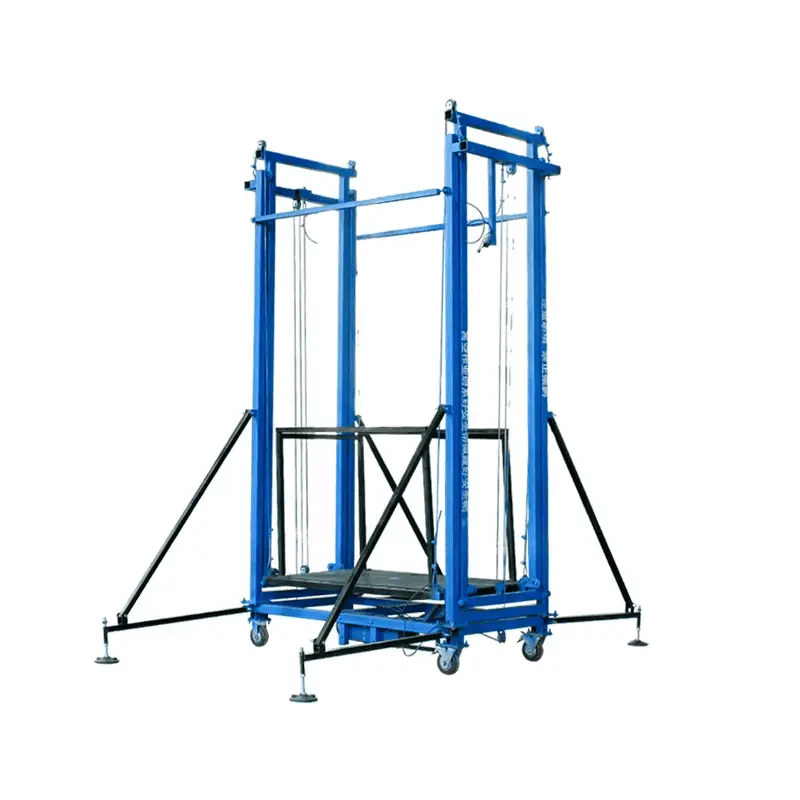
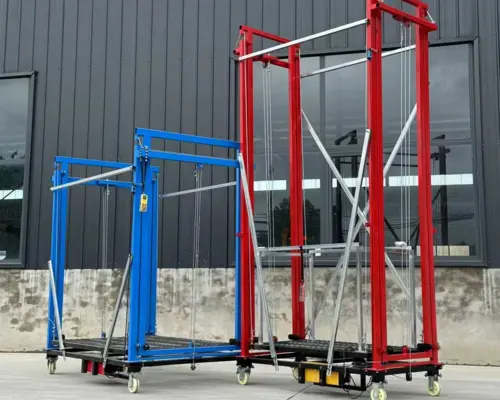
Electric scaffolding systems allow crews to adjust working height with minimal effort. Unlike a ladder scaffold system or basic metal scaffold, electric platforms maintain a stable working surface while moving vertically. This reduces the need to carry tools and materials repeatedly, a factor many safety officers now view as a hidden risk in conventional scaffolding use.
In several refurbishment projects, contractors have replaced temporary frame scaffold setups with compact electric units, particularly in confined interior spaces. These platforms are often categorized as lightweight scaffolding, but their mechanical lifting capability changes how tasks are organized. Workers can focus on installation rather than repositioning equipment, which improves workflow consistency.
Equipment suppliers note growing interest from firms seeking OEM industrial scaffolding solutions that integrate electric systems into existing site layouts. While Electric scaffolding still requires proper training and routine inspection, site managers report fewer complaints related to physical strain and fewer interruptions caused by frequent dismantling and reassembly.
That said, electric scaffolding is not treated as a universal replacement. On uneven ground or exterior areas with complex geometry, traditional exterior scaffolding and metal frame scaffolding remain common. However, for repetitive elevation work, especially indoors, electric platforms are proving to be a useful addition rather than a niche tool.
As construction methods continue to evolve, the shift toward electric scaffolding reflects a broader focus on reducing unnecessary manual labor. For many projects, the goal is not automation for its own sake, but a more balanced approach where efficiency, safety, and worker endurance improve together.