
 +86 18531742341

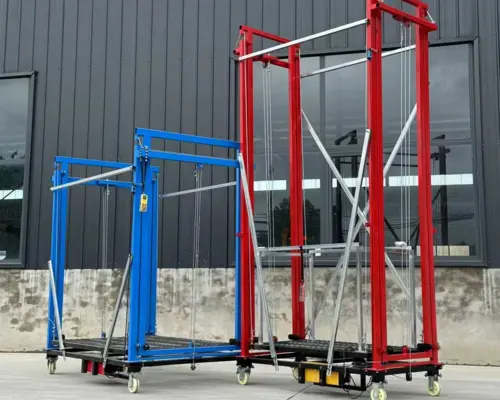
0102030405
Modern Steel Formwork Systems Are Changing How Projects Take Shape
2025-10-13
On construction sites around the world, a quiet shift is underway. Steel Formwork — once considered too heavy or costly — is now making a comeback, thanks to new designs that are faster to set up, easier to handle, and built to last.
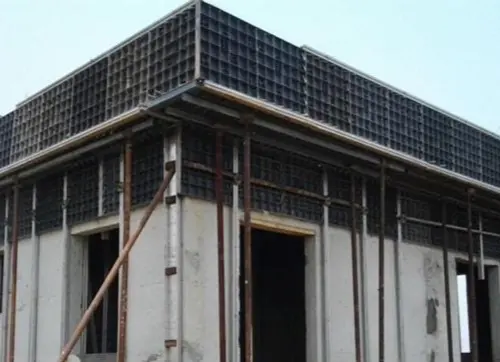
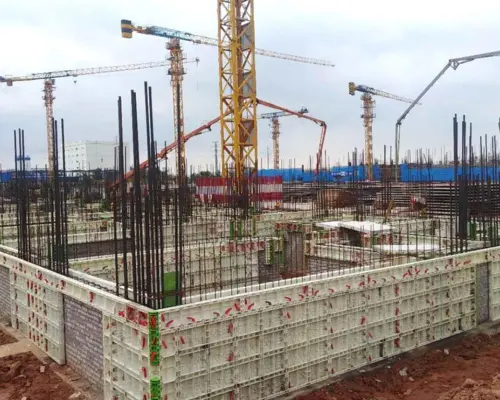
Contractors are finding that these updated systems do more than just hold concrete in place. They save time, reduce waste, and deliver a cleaner finish straight off the pour. The precision of factory-made panels ensures walls and slabs come out smooth, reducing the need for extra plastering or surface repair. What used to take days of manual adjustment can now be done in hours.
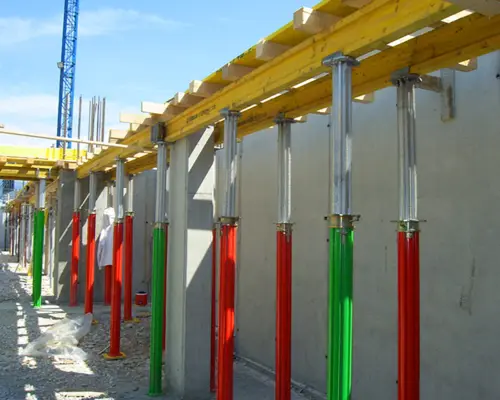
Modern steel formwork is also more adaptable than before. Modular panel systems can be adjusted to fit almost any layout — from housing blocks and bridges to industrial foundations. Many builders now use steel molds for curved walls or complex structures, where accuracy is essential and rework is costly.
Durability is another reason the trend is growing. Unlike timber or plywood, steel formwork doesn’t warp, absorb moisture, or deteriorate after a few uses. With proper care, a set of panels can be reused for years without losing alignment, making them a long-term investment rather than a disposable material.
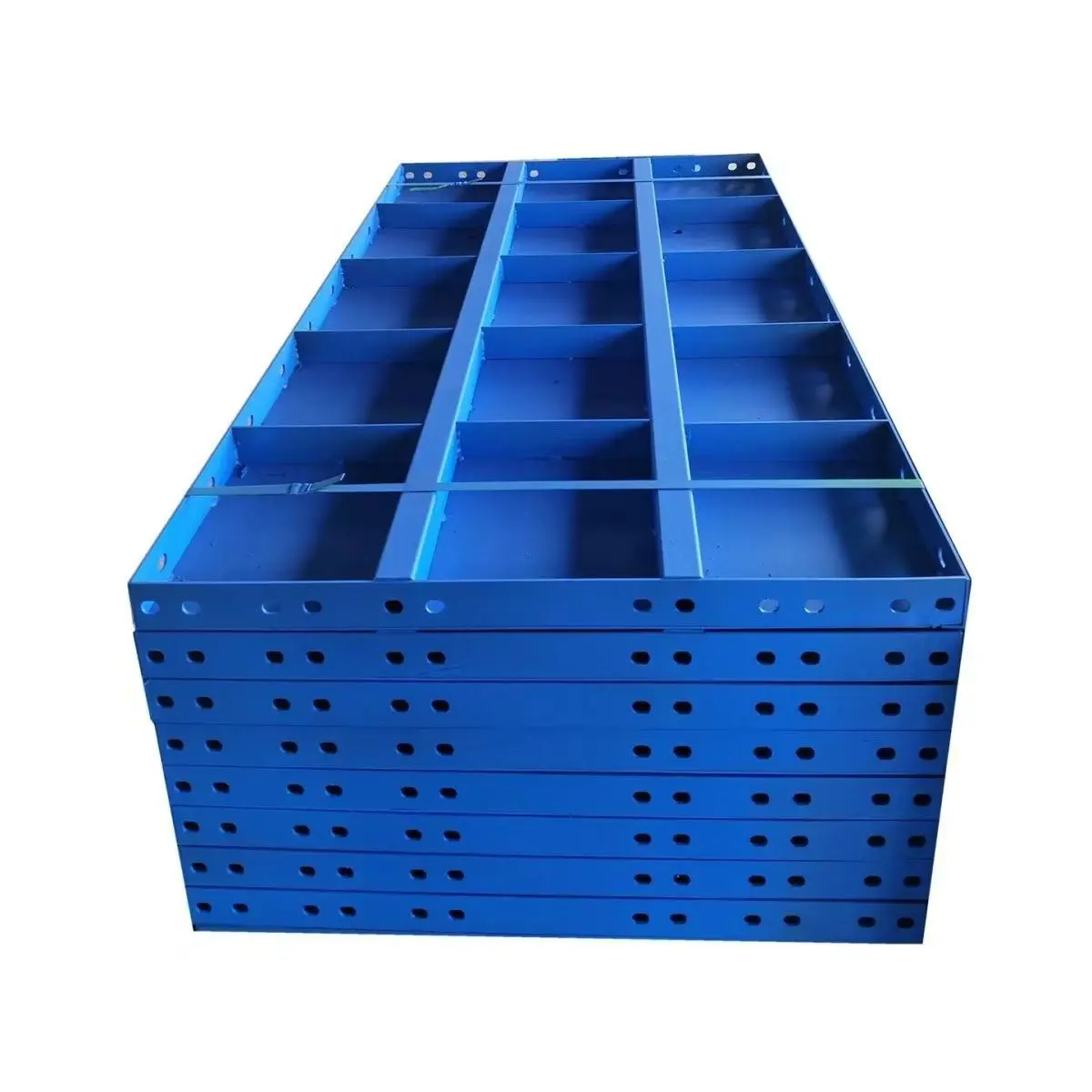
Environmental concerns are helping drive the shift too. Each time a steel formwork system is reused, fewer trees are cut and less material ends up in landfills. Manufacturers are introducing lighter alloys and anti-corrosion coatings, extending panel life and improving handling on site.
In large infrastructure projects — highways, high-rises, and waterworks — the benefits are most visible. Faster assembly, reduced labor, and consistent results make steel formwork a reliable choice for builders aiming to meet tight deadlines without compromising quality.
As more contractors look for sustainable and cost-effective solutions, steel formwork is steadily moving from niche to norm. What was once seen as a specialty product is fast becoming a standard tool in the modern builder’s toolkit — combining strength, efficiency, and precision in one system.