
 +86 18531742341



0102030405
Keeping Ringlock Scaffolding Free from Rust on the Job
2025-10-31
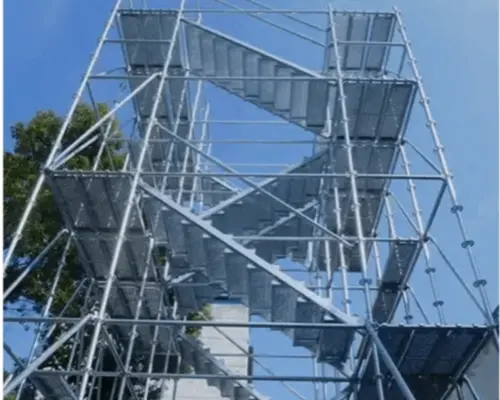
On most construction sites, Ringlock scaffolding works day after day in harsh weather — under the sun, in the rain, and surrounded by dust and concrete. While its hot-dip galvanized surface offers strong protection, rust can still appear if the system isn’t cleaned or stored correctly. Over time, even a thin layer of corrosion can weaken joints and reduce the lifespan of the entire setup.
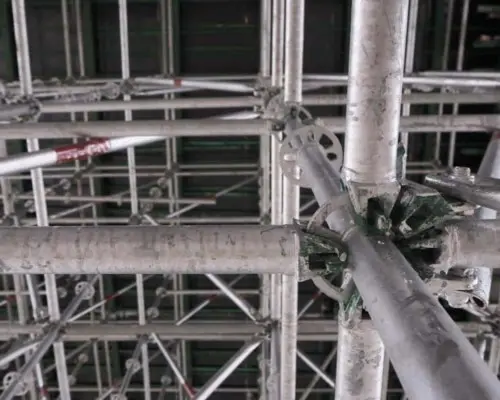
The first and most effective step is cleaning after dismantling. As soon as the scaffold comes down, crews should remove concrete splashes, dirt, and paint drips. These materials often hold moisture and speed up rusting. Workers usually start with a wire brush to scrub the rosettes and wedges, then use compressed air or a damp cloth to clear away debris. Some sites even set up small cleaning areas to handle all Scaffolding Parts before storage.
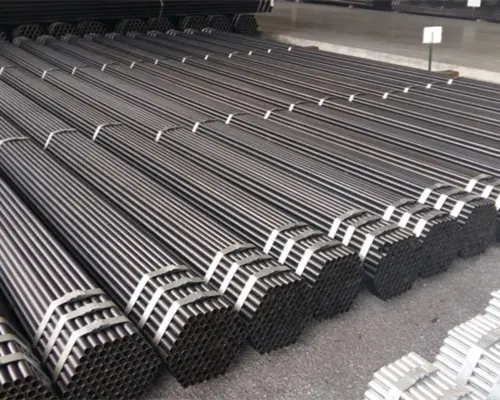
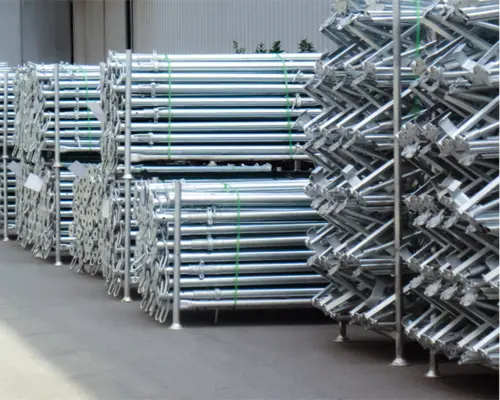
Next comes drying and proper storage. Moisture is the enemy of steel, and many contractors lose good equipment simply because it’s left on damp ground. The safest practice is to stack Ringlock components on wooden blocks or steel racks, allowing air to circulate underneath. Covering the stack with a breathable tarp or shade net keeps off direct rain and sunlight while avoiding trapped humidity.
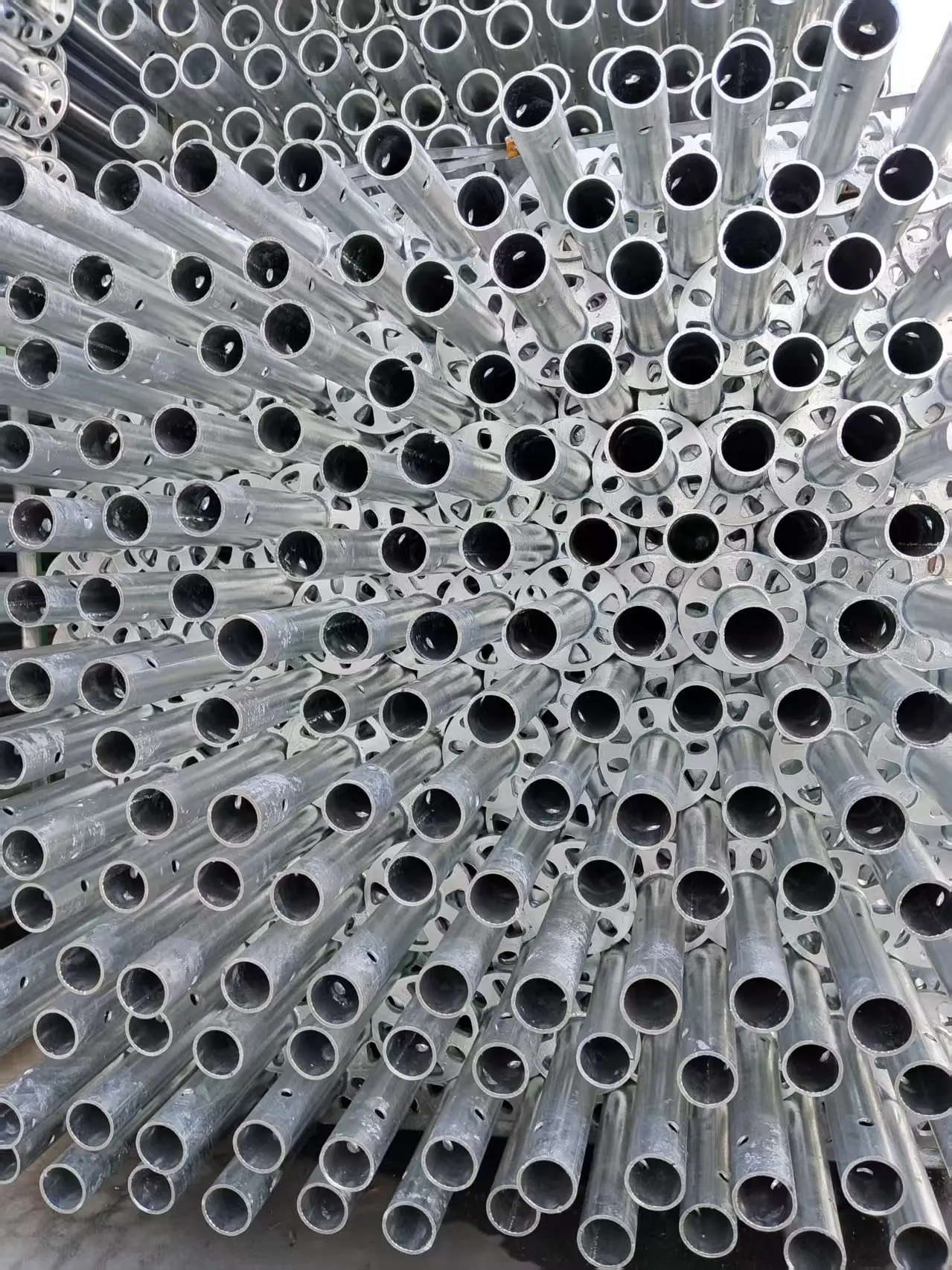
Routine inspection also plays a big role. Every few weeks, especially during the rainy season, foremen or warehouse staff check for early signs of rust — small brown spots, flaking galvanization, or tight joints. Catching these early makes repair simple: light sanding, followed by a zinc-rich coating or anti-rust spray, is often enough to stop further corrosion.
In humid coastal areas, extra care is needed. Many construction companies apply anti-rust oil or cold galvanizing spray after each project. Though it takes a few extra minutes, this layer blocks moisture and gives added protection to pins, ledgers, and base jacks. Keeping a record of maintenance cycles — when the scaffold was last cleaned, oiled, or repaired — helps larger teams stay organized.
Another often-overlooked factor is cement residue. Cement is alkaline and can slowly eat away at the zinc coating. After each job, a quick rinse with water and mild detergent helps remove any cement dust or lime. The cleaned pieces should always be dried completely before stacking.
Good maintenance habits save more than just money. A rusty connection can cause uneven loading or unexpected vibration once the scaffold is erected. Taking care of small parts ensures safety and efficiency on site — two things that every contractor values most.
Keeping Ringlock scaffolding rust-free isn’t about expensive treatments or new technology. It’s about small, consistent actions: clean it, dry it, check it, and store it right. When these steps become routine, the equipment lasts longer, the work goes smoother, and the site stays safer for everyone involved.