 +86 18531742341

0102030405
How Daily Maintenance Helps Steel Pipes Last Longer
2025-11-13
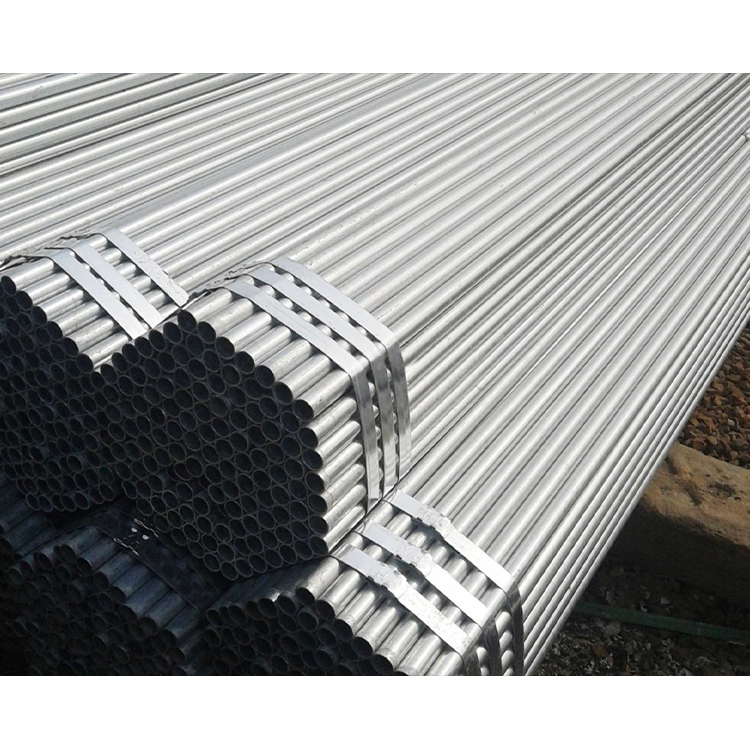
At several construction and industrial sites this season, maintenance crews have been paying closer attention to how steel pipes are stored and handled each day. Though known
for their toughness, these pipes still need care to stay in good working condition, especially on projects that run for months or face changing weather.
On one site outside Houston, workers start each shift with a quick inspection. Any steel pipe showing rust, dents, or bent ends is set aside for cleaning or replacement. “It takes just a few minutes,” said a site foreman, “but it saves us a lot of trouble later.” The crew wipes the surfaces clean and removes any traces of concrete or mud before stacking them for use.
Most teams also apply a light coat of oil or anti-rust spray to exposed steel pipes at the end of the day. The coating keeps moisture out and slows corrosion, especially when the pipes are stored outdoors. In coastal areas or humid climates, many companies now cover their stockpiles with tarps or waterproof sheets to reduce contact with rain and air.
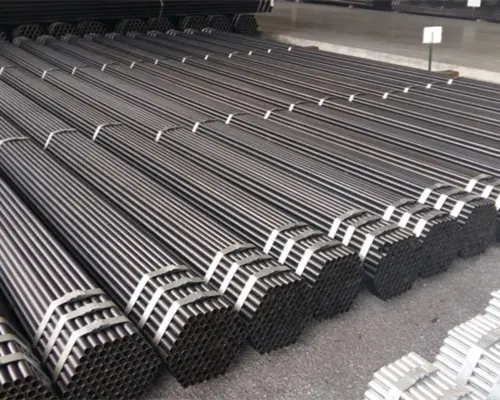
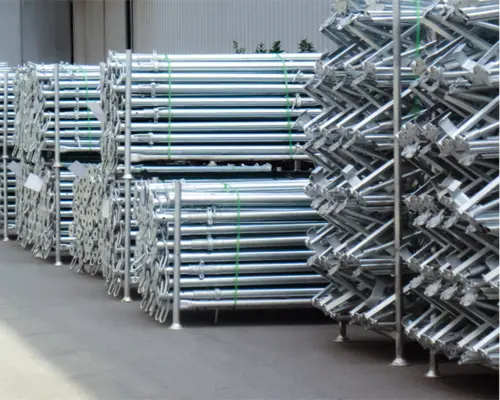
Storage methods have improved too. Instead of leaving steel pipes on bare ground, they are now kept on raised wooden pads or steel racks. This prevents water buildup underneath and allows better airflow. Clear labeling by size and type helps avoid mix-ups and makes loading faster during busy hours.
According to site managers, the most important rule is not to reuse damaged steel pipes. Even a small bend can reduce load-bearing strength. Crews are encouraged to inspect pipes again after dismantling scaffolding or temporary structures, ensuring that only safe materials go back into rotation.
Small, consistent habits—cleaning, coating, storing properly—are proving to be the best protection. For many contractors, keeping steel pipes in good shape isn’t just about saving costs; it’s about safety, reliability, and pride in a well-run job site.