
 +86 18531742341

0102030405
How Construction Crews Keep Cuplock Scaffolding Safe and Reliable on Site
2025-11-03
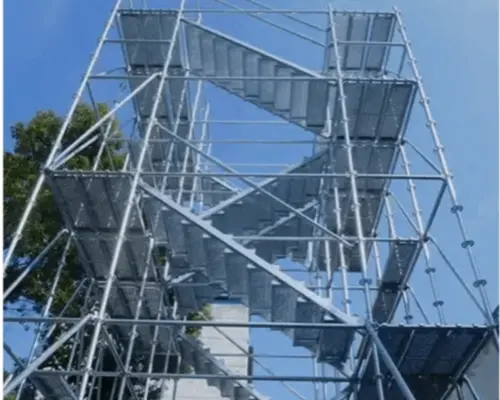
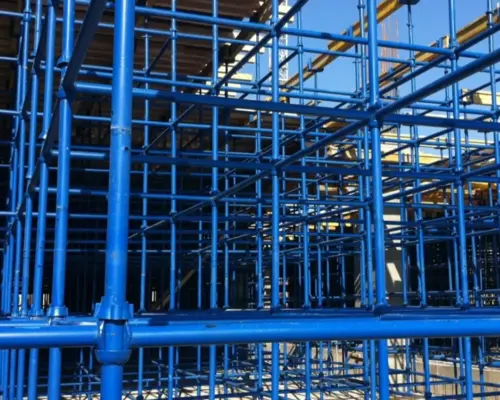
On a cloudy morning at a high-rise project on the city’s edge, rows of Cuplock scaffolding rise steadily beside a concrete frame. Workers move quickly, locking ledgers into place with a sharp metal click. The rhythm is familiar — this system has been part of their routine for years.
“The thing about Cuplock,” says one foreman, brushing dust off his gloves, “is that it works if you respect it. Keep it clean, line it right, and it won’t let you down.” His words sum up what many crews already know: maintenance and care matter as much as the steel itself.
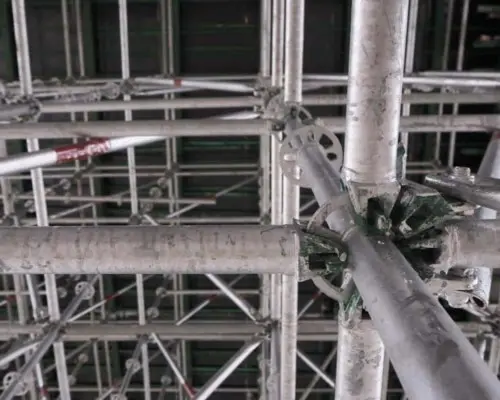
Before any scaffold goes up, teams spend time checking every joint and cup. A quick look is never enough. Workers spin the cups by hand, tap the blades to make sure they seat tightly, and lay out the standards in straight rows before lifting. Bent ledgers or clogged cups are set aside — forcing a bad fit, they say, only causes trouble later when the platform rises.
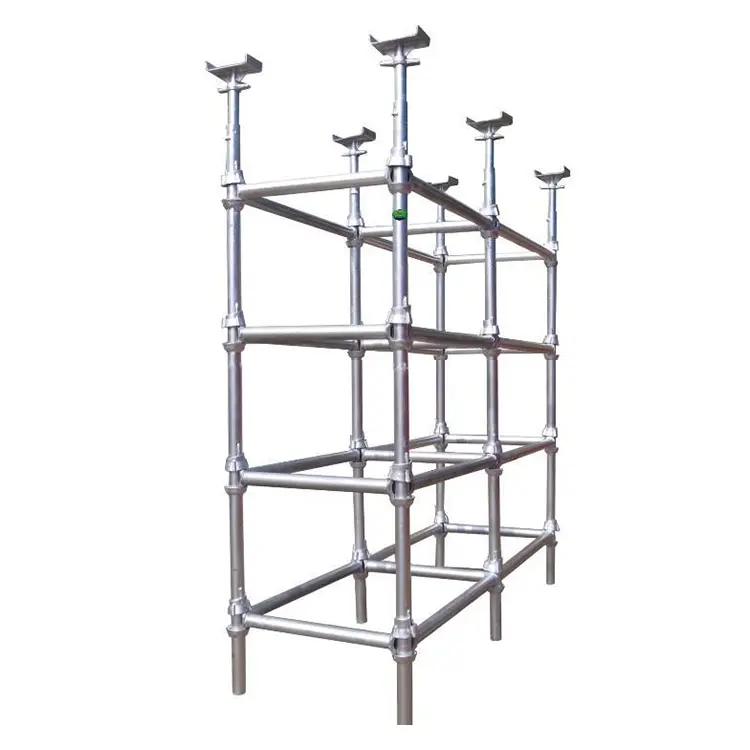
Good foundations make everything easier. The crew levels the ground and lays down timber pads or base plates before stacking the first row. “If the bottom leans, the whole thing leans,” one site engineer explains. Once the first lift is locked and checked with a level, the rest of the scaffold builds almost like clockwork.
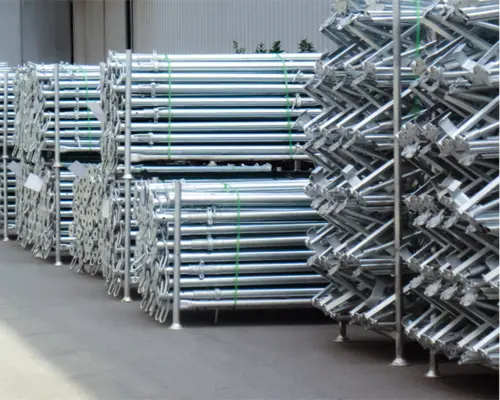
Rust is another quiet enemy. After each project, the scaffolding is cleaned with wire brushes and stored off the ground on steel racks. Some contractors coat the cups with a thin film of oil or cold galvanizing spray to keep moisture away. “We don’t wait for rust,” another worker says. “If you see it, you’ve already lost time.”
Small habits — brushing off cement, checking pins, keeping things dry — often decide how long a Cuplock System lasts. In coastal regions where salt air can eat into metal, a few crews even keep maintenance logs, marking when each section was last cleaned or treated.
The Cuplock design may have been around for decades, but its reputation holds because of people like these. On every project, its speed and reliability come not just from steel and welds, but from the discipline of the teams who assemble it. With regular care, even the hardest-used scaffolds stay solid season after season, ready for the next build.