
 +86 18531742341






0102030405
Getting the Most Out of Ringlock Scaffolding Practical Use and Safety Tips on Site
2025-10-14
Ringlock scaffolding has become a familiar sight on construction sites worldwide — and it’s easy to see why. The system’s quick-lock design, solid strength, and flexibility make it a favorite among contractors working under tight schedules. It’s simple to understand, but using it the right way can greatly improve both productivity and job-site safety.
Before any scaffolding goes up, good preparation matters most. Each setup should begin with a clear site plan that outlines where the main verticals, horizontals, and braces will stand. Taking time to plan ahead helps workers build faster and ensures the scaffold stays balanced once it’s loaded. Each project should start with a clear layout drawing, showing where standards, ledgers, and braces will be placed. This not only helps avoid material waste but also ensures that loads are evenly distributed once the structure is erected.
When assembling the scaffold, workers should always begin from a stable and level base. The base jacks must be adjusted carefully so the vertical standards stand perfectly upright. Small misalignments at the bottom can grow into large stability issues at the top, especially on tall setups.
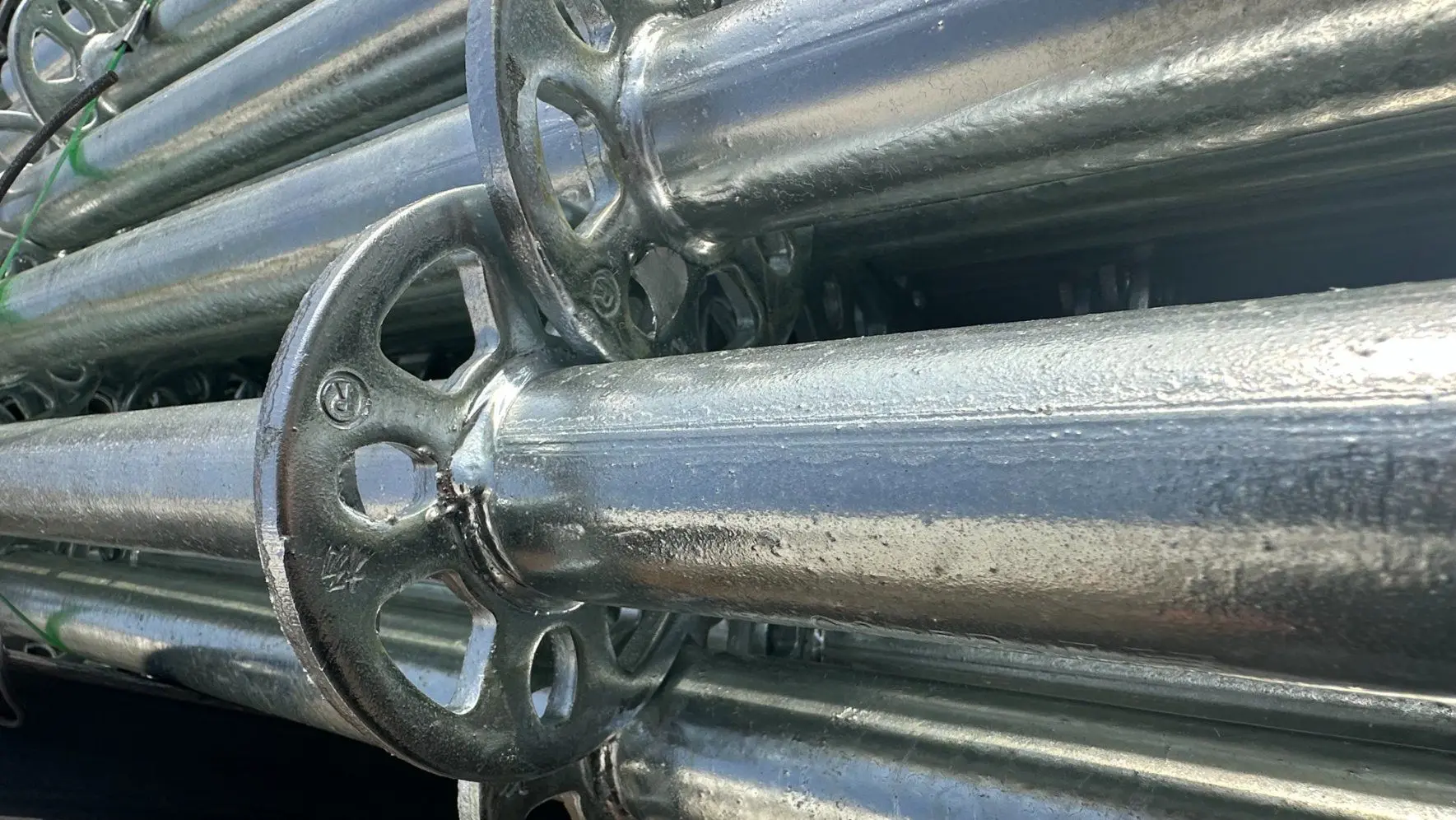
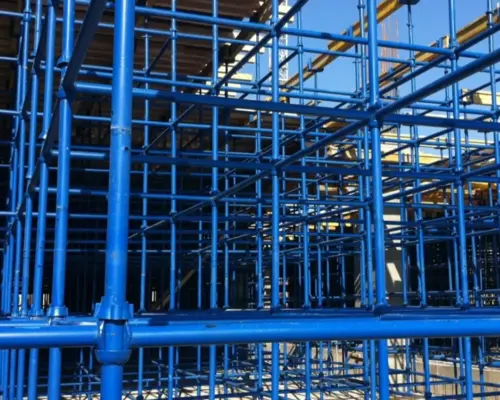
Connecting components is where the Ringlock system really shows its advantage. The rosette design allows for multiple connections at one point, which speeds up assembly without compromising strength. Workers should make sure the wedges are fully inserted and locked to avoid movement when the structure is under load. A quick visual check after each level is installed can prevent future problems.
Safety is another key focus when working with scaffolding. Handrails, toe boards, and diagonal braces must be installed as the scaffold rises—not afterward. Regular checks are a must once the scaffold is in use, particularly after strong winds, heavy rain, or any event that could affect stability. If a component shows signs of damage, it’s always safer to replace it rather than attempt a quick fix on site. A short pause for inspection can prevent far bigger problems later on.
Skilled workers often develop their own small habits to speed up the process. Sorting ledgers and braces by size before the build starts keeps everything within easy reach. Some crews mark connection points with colored paint to help align sections faster on repetitive setups. These small adjustments might seem trivial, but together they make a noticeable difference in workflow efficiency on large projects.
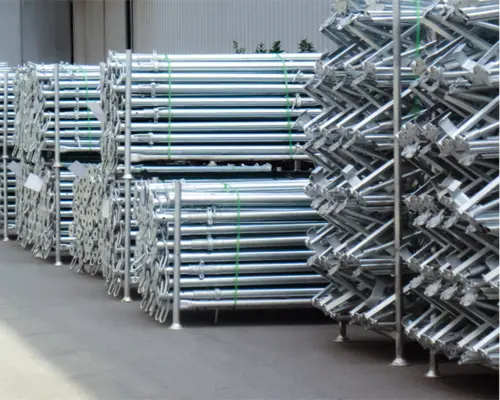
Maintenance plays just as big a role as assembly. Once the job is done, every piece should be cleaned, inspected, and stored properly. Removing dirt and checking for rust or bending keeps the system in top condition. Storing the components on racks, off the ground, and out of the rain helps extend their lifespan and ensures everything is ready for the next project.
Ringlock Scaffolding has earned its place as one of the most dependable systems in construction. Like any professional tool, its performance reflects the care and skill of those who use it. With smart preparation, safe assembly, and regular upkeep, contractors can count on Ringlock scaffolding to deliver both reliability and efficiency on every site.