
 +86 18531742341

0102030405
Frame Scaffolding Setup Safety Starts from the Ground
2025-10-29
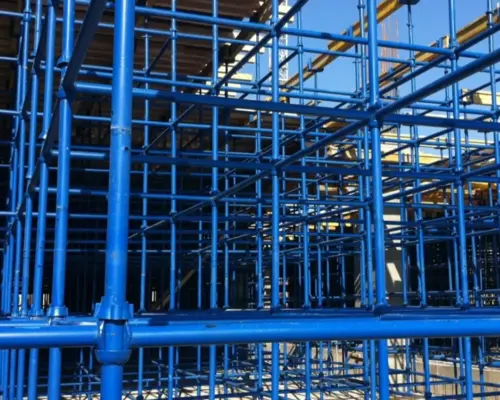
As the base takes shape, crews begin connecting the upright frames and diagonal braces. On-site supervisors emphasize accuracy over speed — each frame must stand plumb and line up neatly with the next. Workers often use chalk lines or laser levels to keep the row straight before tightening the joints.
Rather than rushing the process, teams focus on getting the first section right, because once the base alignment is off, the upper levels will never sit correctly. “If the bottom is wrong, you
spend the rest of the day fixing it,” one site engineer remarked with a grin.
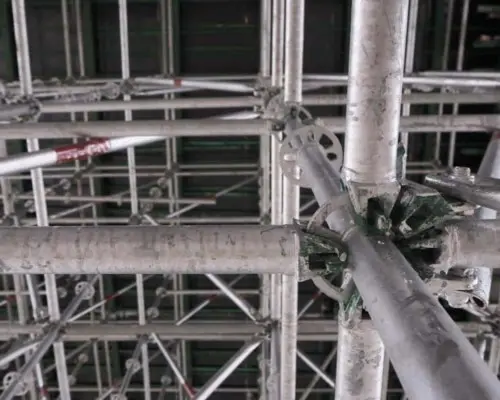
Locking pins and couplers are checked by hand, not just visually. Experienced workers give each joint a quick twist or tap to ensure it’s tight. A missing or half-locked pin might look harmless, but it can lead to vibration or shifting once loads are applied — a small oversight that can cause big trouble later.
Every pin must be fully inserted, and the connection checked by hand. Loose or missing pins can compromise the entire structure’s stability. Supervisors often emphasize that “a few
seconds of checking can prevent hours of repair or worse, an accident.”
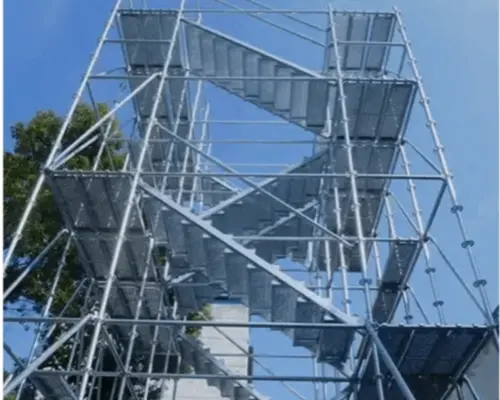
As the height increases, the installation of platforms, guardrails, and toe boards becomes the priority. Each working level must be fully planked, and gaps between boards should not exceed a few centimeters. Guardrails are fixed on both sides to prevent falls, while toe boards stop tools and materials from slipping off the edge.
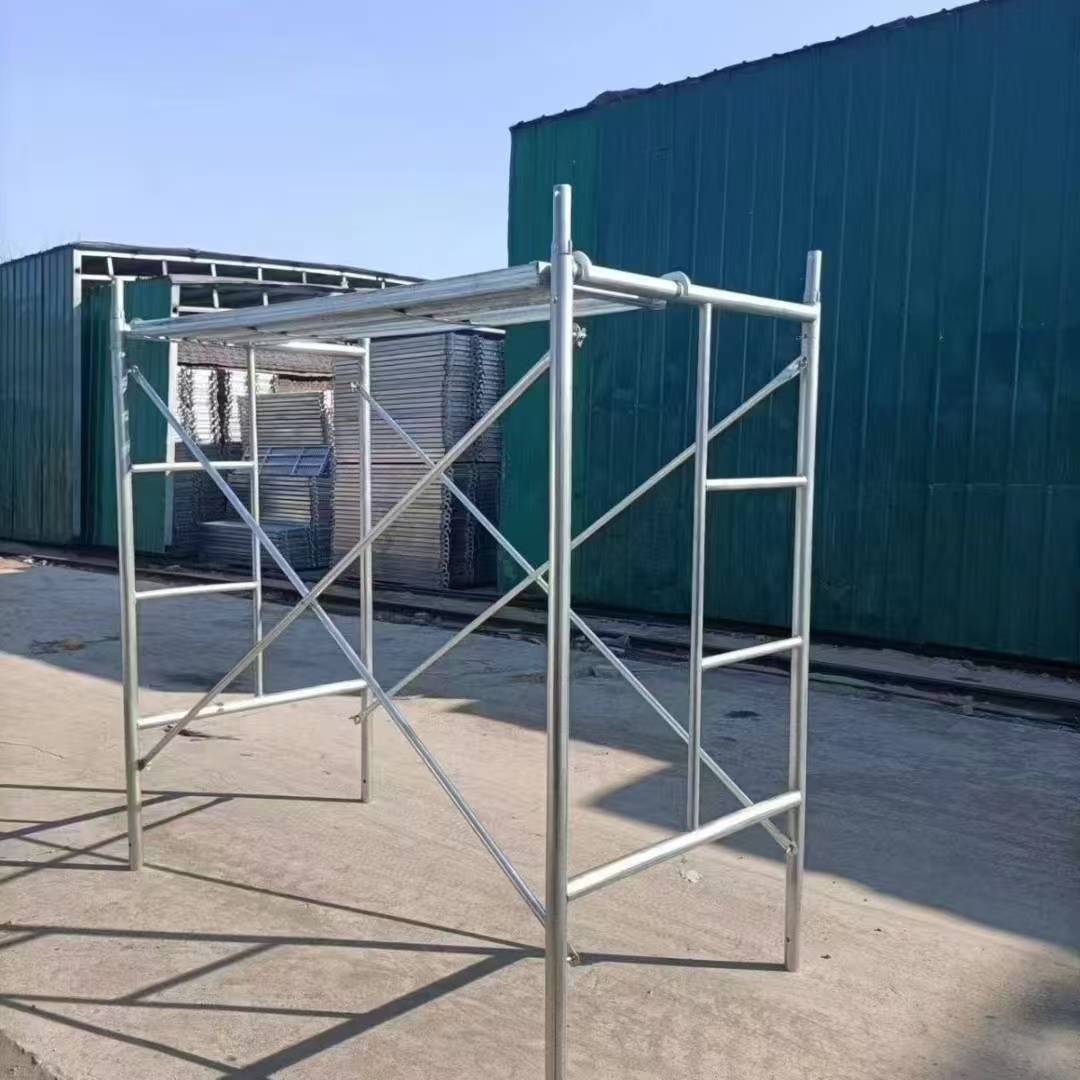
Electrical safety is another key focus. On sites near power lines, the scaffolding must maintain safe distance and use non-conductive materials where possible. Workers are also required to wear safety harnesses when working above two meters, ensuring fall protection at all times.
After assembly, a thorough inspection takes place. Site inspectors check that all braces are tight, base plates are firm, and there is no visible rust or bending on any frame. Only after approval can workers start construction operations on the scaffold.
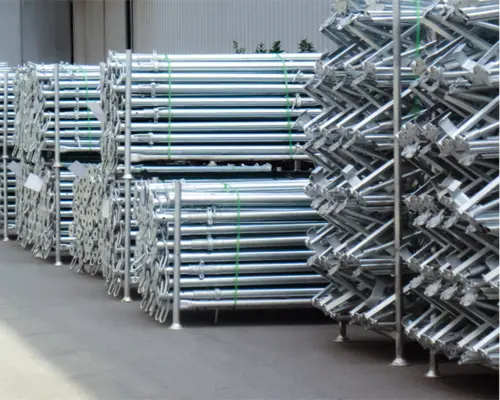
Maintenance follows the same discipline. When dismantling, components are carefully removed, cleaned of concrete and dust, and stored under cover to prevent corrosion. Many companies now assign staff to maintain Scaffolding Parts as dedicated equipment rather than consumables — extending their service life and reducing project costs.
As one project manager summarized:
“Frame Scaffolding looks simple, butevery connection matters. The better you build it, the safer your people are — and that’s what real construction quality means.”
Today, with safety management becoming more standardized, proper use of frame scaffolding is not only a technical requirement but also a reflection of a construction company’s professionalism.