
 +86 18531742341




0102030405
Eco Friendly Plastic Formwork Gains Popularity Replacing Traditional Wooden Molds Reducing Deforestation to Aid Carbon Neutrality
2026-01-14
Seattle, Washington – January 14, 2026 – In an era where sustainability drives innovation in the construction industry, eco-friendly plastic formwork is emerging as a game-changer. This advanced building material, often referred to as reusable plastic templates or polypropylene formwork panels, is swiftly replacing traditional wooden molds across global projects. By minimizing the reliance on timber, plastic formwork systems are playing a pivotal role in reducing deforestation and supporting worldwide efforts toward carbon neutrality.
Plastic formwork, a type of sustainable construction mold made primarily from recycled plastics and high-strength polypropylene, offers a host of advantages over conventional wooden shuttering. Unlike timber forms that are typically single-use and contribute to significant waste, these eco plastic formwork solutions are designed for reusability—often enduring up to 100 times or more without degradation. This durability not only cuts costs by up to 20% in labor and materials but also aligns with green building standards by promoting energy-saving and environmental protection practices.
One of the key benefits of plastic concrete formwork is its lightweight nature, making it easy to install and demold, which accelerates construction timelines and reduces on-site injuries. Additionally, these formwork systems are stable, weather-resistant, and conducive to low-maintenance operations, ensuring flat and smooth concrete finishes every time. From residential developments to large-scale infrastructure, reusable plastic molds are versatile, offering various textures and designs while maintaining a lower carbon footprint compared to traditional methods.
As the world pushes for net-zero emissions, the shift to eco-friendly plastic shuttering is particularly timely. By substituting wooden templates, which often lead to rampant deforestation, plastic formwork helps preserve forests and biodiversity. Industry experts note that nearly 35% of modern projects now opt for such sustainable formwork alternatives, further bolstering carbon neutrality initiatives. "The transition to recyclable plastic formwork isn't just about efficiency—it's about building a greener future," said Dr. Elena Vasquez, a sustainability consultant at Global Construction Insights. "With zero waste discharge from recycled leftovers, these systems are essential for eco-conscious builders."
Market trends underscore this popularity. The global plastic formwork market, valued at USD 544.6 million in 2024, is projected to reach USD 712.1 million by 2030, growing at a CAGR of 4.6%. Another forecast estimates it could hit USD 3.5 billion by 2032 with an 11.49% CAGR, driven by demands for innovative, eco-efficient materials in North America and beyond. Companies like those specializing in polypropylene construction molds are leading the charge, integrating smart features for enhanced reusability and integrating with digital construction tools.
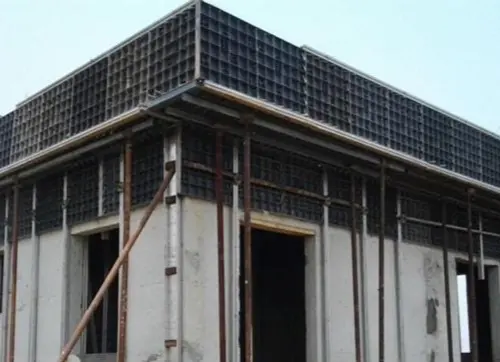
Visualizing the impact, plastic formwork in action demonstrates its practical edge in real-world applications.
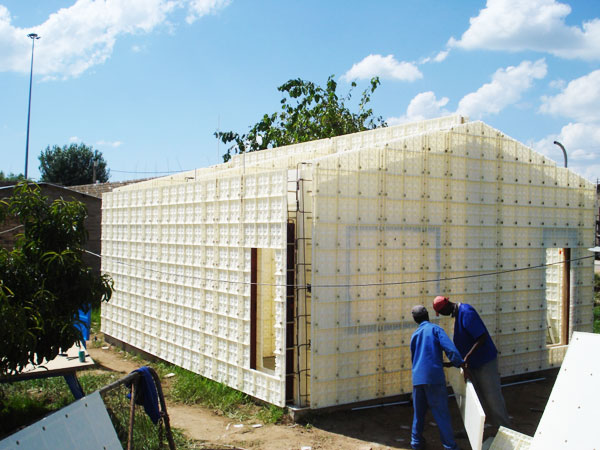
Plastic Formwork System Provides Quick and Quality Housing for ...
This reusable system not only streamlines workflows but also supports broader environmental goals, such as reduced timber consumption and minimized construction waste.
Looking ahead, as regulations tighten on sustainable practices, the adoption of plastic building formwork is expected to surge. Innovations in stronger plastic composites and recyclable designs will further solidify its position in the industry. For construction firms aiming to balance efficiency, cost savings, and ecological responsibility, eco-friendly plastic templates represent the future of formwork—durable, versatile, and planet-friendly.