 +86 18531742341

0102030405
Daily Use Notes for Electric Suspended Scaffolds
2025-12-05
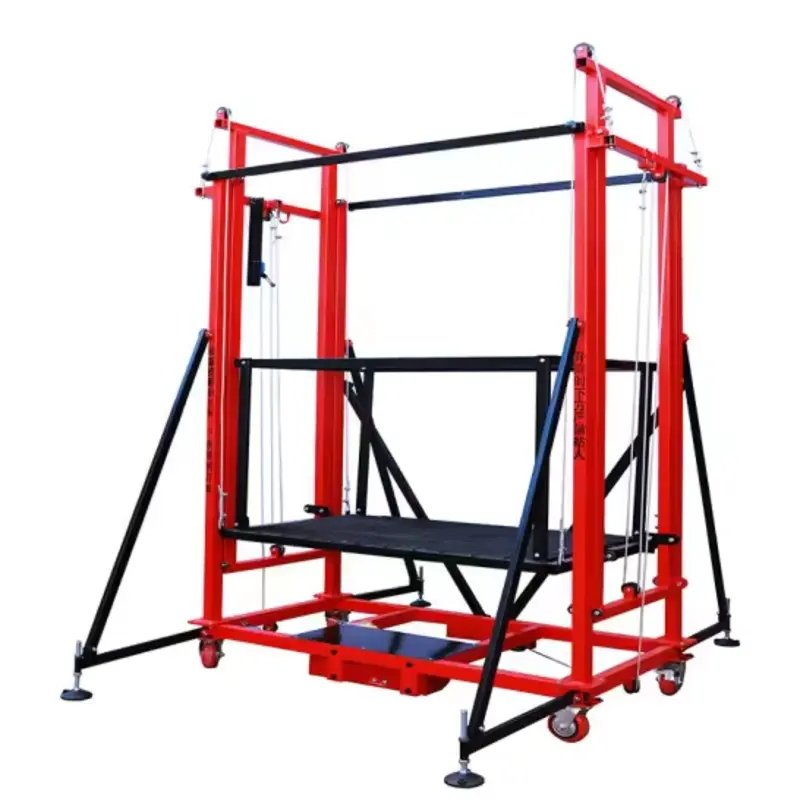
People who work around electric suspended scaffolds long enough know the routine: the machine is reliable, but only if the crew treats it with the same care they give to a frame scaffold, a metal a-Frame Scaffold, or any exterior scaffolding standing next to it. These systems may look different, yet they share the same logic—load balance, clean structure, and predictable behavior.
At the start of the day, most teams go straight to power checks. On mixed sites where china Ringlock Scaffold, Cuplock scaffold, or even a small indoor scaffolding for painting setup is running at the same time, we check them all together. It keeps the workflow clean. If the motor on the suspended platform sounds rough, or if the safety lock hesitates, don’t force it; these machines fail early before they fail big.
Platform leveling is one step people skip when they’re in a rush. A slight lean may not bother you at the ground level, but once you’re 20 meters up—especially near façade scaffolding, metal scaffolding outside buildings, or a kwikstage scaffold frame—you feel it immediately. Uneven tension on the ropes makes the climb slower and strains the adjustable steel shoring props if someone is using them below.
Keep the platform clean. Cement dust, insulation crumbs, and metal filings from nearby metal scaffolding with cantilevers or a formwork beam H20 cut can find their way into the motor housing. A quick wipe each day is enough. Crews working with galvanized scaffolding prop units already know the habit: moisture is the enemy of longevity.
Weight distribution matters more than people think. When you load one side with tools and the other with heavy materials—like a stack of scaffold boards, odm scaffold planks, or metal formwork for concrete slab panels—the lift works harder than it should. Keeping the platform balanced protects the motor and gives a smoother ride.
Cable routing is something even experienced workers overlook. Power lines and lifelines often rub against corners, especially around ladder scaffolding brackets, fixed scaffolding clamps, or a stray double scaffold coupler left on the wall. These small frictions turn into rope wear, and rope wear turns into downtime.
At the end of the shift, always bring the platform down. Leaving it suspended overnight—especially near tall china metal tower scaffolding or windy façades—lets the wind swing it just enough to wear the ropes faster. Lower it, shut the system down, and if the weather looks bad, cover the motors the same way you’d protect a set of galvanised handrail fittings or metal building fasteners.
Electric suspended scaffolds are durable, but durability comes from habits, not luck. A few minutes of care every day keeps the whole system solid, whether you’re working beside a cantilever scaffolding exporter project, a masonry scaffolding for sale setup, or a simple house scaffolding frame on a renovation job.