
 +86 18531742341

0102030405
Contractors Shift Toward Ringlock Scaffold to Cut Project Delays
2025-12-11
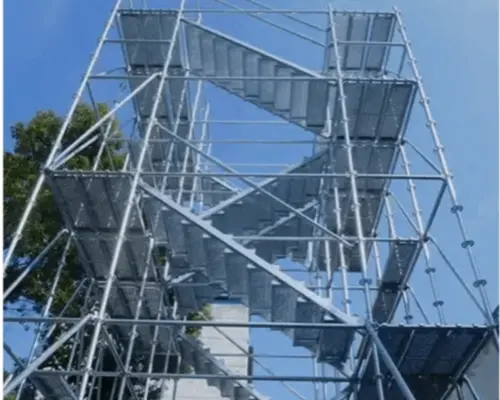
As construction schedules tighten across global markets, contractors are increasingly adopting ringlock scaffold systems to reduce delays caused by inconsistent assembly times and maintenance issues commonly found in older scaffolding models.
Industry analysts note a steady migration from conventional tube-and-clamp units to modern ringlock scaffolding, especially on large commercial façades and infrastructure repair projects. Companies say they are switching not just for safety, but for productivity.
Efficiency Gains Drive Adoption
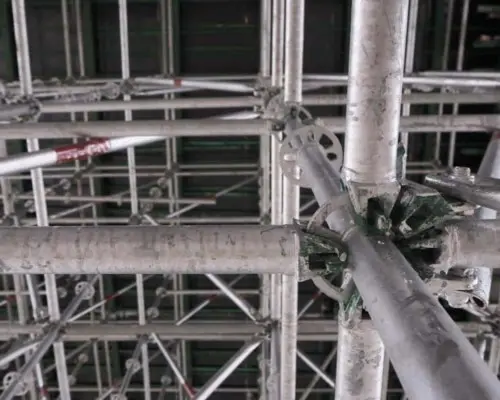
Project managers report that ringlock’s rosette-based connection significantly speeds up erection and dismantling. Compared with legacy metal scaffolding outside buildings, crews require fewer tools and less troubleshooting, leading to measurable productivity gains.
A civil engineering firm in Southeast Asia shared that upgrading to the newer system cut their average setup time for a mid-rise façade platform by nearly 40%. This improvement has led several regional contractors to replace older metal tower scaffolding inventories with updated industrial scaffold modules.
China Manufacturers Respond to Rising International Demand
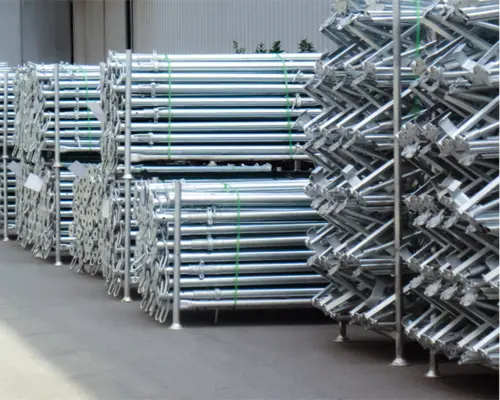
Producers of china Ringlock Scaffold and china industrial scaffold components confirm that export orders have expanded, especially from contractors managing tight delivery schedules. Demand is particularly strong in markets where government infrastructure programs impose strict timeline penalties.
Some manufacturers are pairing ringlock lines with modular add-ons inspired by European modular gerüstsystem layouts, offering quicker reconfiguration for bridge, tunnel, and stadium projects.
Reducing Maintenance Interruptions
One key reason for the shift is that Ringlock Systems require much less mid-project maintenance. Traditional scaffolds often need periodic re-tightening of clamps or replacement of worn couplers. With ringlock, contractors say structural integrity remains consistent from day one until dismantling, reducing unexpected stoppages.
Rental companies also report fewer breakages in high-use cycles, which has helped stabilize fleet maintenance costs.
Improved Adaptability for Complex Structures
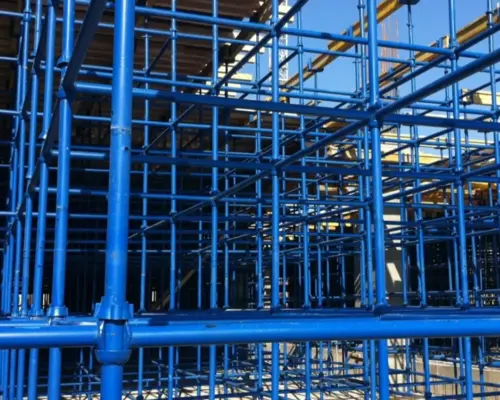
Architectural teams increasingly prefer ringlock when working on irregular structures, curved façades, or renovation sites where ground conditions vary. The system’s modularity allows crews to assemble platforms that match complex geometries without relying on excessive custom fittings.
Contractors note that this adaptability is a major advantage over older metal scaffold frameworks, making ringlock a practical choice for modern urban construction.
Market Outlook
Analysts expect adoption to accelerate as contractors prioritize predictable timelines and smoother site operations. While price competition remains strong, performance consistency—and the reduced risk of schedule overruns—is becoming the dominant factor shaping procurement decisions.
With more infrastructure and retrofit projects planned for 2026, the role of ringlock scaffold in global construction workflows is set to grow steadily.