
 +86 18531742341





0102030405
Construction Crews Refine Safe Practices for Plastic Formwork
2025-11-06
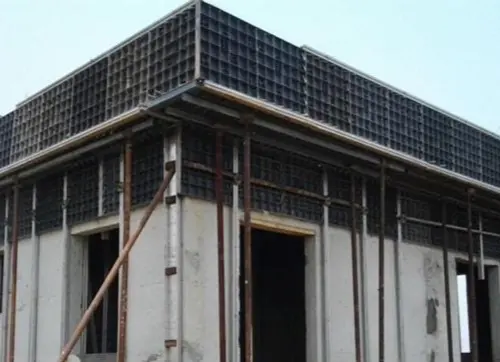
At several new construction projects this month, crews have been working under updated guidelines for the use of plastic formwork. The material, once seen as an experiment, is now being recognized for its light weight, durability, and ability to deliver smooth concrete surfaces.
On one large residential site, engineers explained that success with plastic panels depends mostly on preparation. Before each pour, workers check the panels for cracks, dirt, or leftover concrete from earlier use. The formwork must be dry and tightly secured; even a small gap can lead to concrete leakage and uneven surfaces.
Supervisors also remind teams to use release oil made specifically for plastic. Using oil designed for wood or steel can damage the surface layer, shortening the panel’s lifespan. To improve consistency, many sites now keep labeled containers for each type of agent and track usage as part of their safety checklist.
Temperature management has become another key detail. Plastic expands slightly in the heat, so crews working in hot climates leave a narrow gap between panels. In colder regions, panels are stored indoors after dismantling to prevent hardening or cracking. Workers say that this simple habit helps them reuse each set of panels many more times.

When the day’s work ends, maintenance begins. Crews rinse the panels with water, wipe them clean, and inspect each for damage. Some teams mark the edges with color codes to track usage cycles. Those small steps, they say, help control costs and reduce waste over time.
Project managers note that the shift toward plastic formwork System reflects a broader move in construction — faster assembly, cleaner results, and more sustainable materials. With attention to detail and consistent care, the new system is showing that modern building methods can be both efficient and responsible.