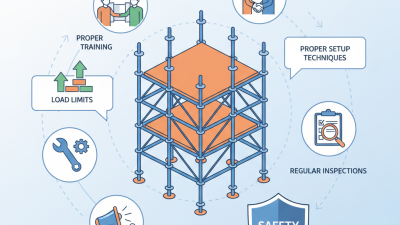
Why Choose Scaffold Tube for Your Construction Projects?
When it comes to construction projects, the choice of materials is crucial. Scaffold tubes play a significant role in ensuring safety and stability. Experts emphasize their importance. For instance, John Smith, a renowned scaffold engineer, once stated, "The right scaffold tube can make all the difference in project efficiency and safety." His insight underscores the value these tubes bring to construction sites.
Scaffold tubes are robust and designed to withstand heavy loads. They provide a strong framework for workers and materials. Their lightweight nature makes them easy to handle, yet they remain incredibly durable. This balance of strength and versatility is vital for any successful construction endeavor. However, not all scaffold tubes are created equal. Choosing the right type and quality can sometimes be challenging.
Reflecting on the industry's standards can help improve decision-making. It's essential to consider factors like material and size. Each project has unique needs. Even seasoned professionals occasionally hesitate before selecting a scaffold tube. Ensuring the right choice involves weighing various elements and using reliable sources for information. A well-informed decision can lead to greater safety and project success.
Understanding Scaffold Tube: Definition and Types Used in Construction
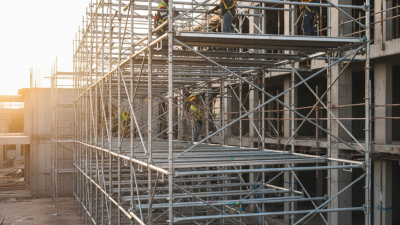
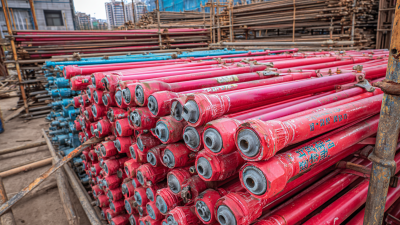
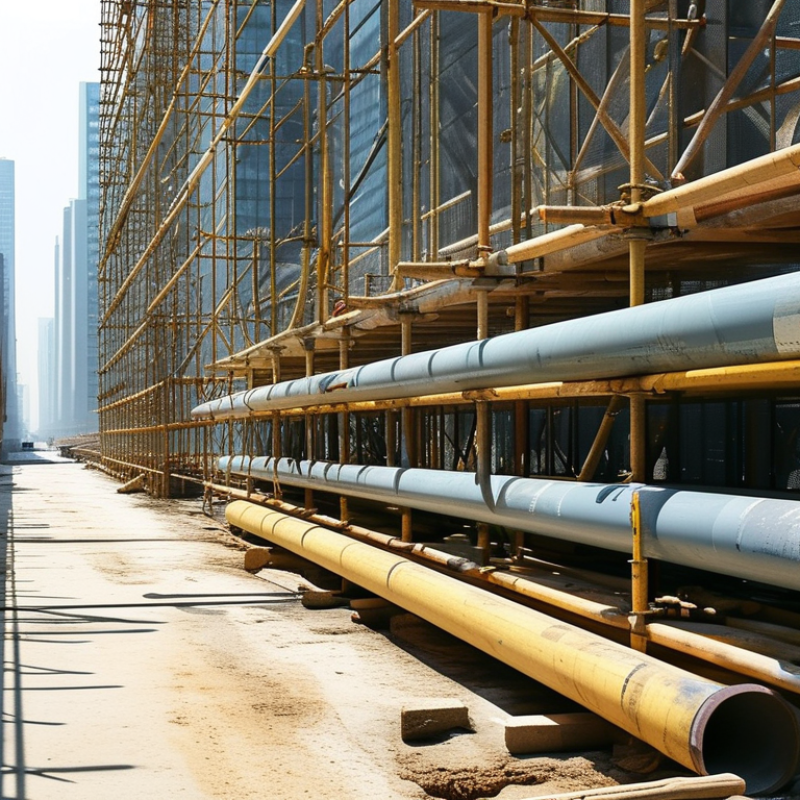
Scaffold tubes are essential in construction, providing support and safety. Understanding their definition and types helps in making informed decisions. Scaffold tubes are typically made from steel or aluminum. They vary in size and shape, depending on the specific needs of a project.
Different types of scaffold tubes include straight tubes, which are commonly used for vertical support, and couplers that link them together. Some scaffolding designs also employ platforms and boards to enhance stability. Each type has its unique benefits, but the choice largely depends on the project’s requirements.
Always ensure your scaffold tubes meet safety standards. Inspect them regularly for wear and tear. Consider the load capacity specified for each type. Remember that poor-quality materials can lead to accidents. Invest in reliable equipment, even if it means spending more.
Think about the assembly process as well. Some structures require a professional team to set up the scaffolding. This can save time and reduce potential hazards. Balancing efficiency and safety is crucial in construction. Each project teaches us something new. Take notes on what works and what doesn’t.
Key Advantages of Scaffold Tube Over Other Materials in Construction Projects
Scaffold tubes are gaining traction in construction due to their numerous advantages. They provide exceptional strength and durability, making them reliable for various projects. Steel or aluminum tubes are often selected for scaffolding. These materials offer superior load-bearing capabilities. As a result, scaffold tubes can support heavy weights during construction tasks. Their lightweight nature also facilitates quick assembly and disassembly.
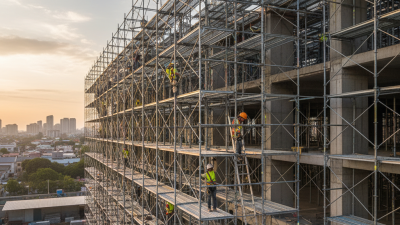
Another critical benefit of scaffold tubes is their versatility. They can adapt to various structures and design layouts. This flexibility allows contractors to create unique scaffolding systems that meet specific project needs. However, it’s essential to regularly inspect and maintain these structures. Over time, wear and tear can affect performance.
Safety is paramount in construction. Scaffold tubes are designed to meet rigorous safety standards. Proper installation ensures that they provide a secure work environment. Nevertheless, it’s crucial for workers to remain vigilant. Training on safe practices can mitigate risks associated with scaffold use. This proactive approach ensures that scaffold tubes fulfill their purpose effectively while enhancing overall site safety.
Safety Standards and Regulations Governing Scaffold Tube Usage
The safety standards governing scaffold tube usage are crucial in the construction industry. According to the Occupational Safety and Health Administration (OSHA), scaffold-related accidents account for a significant portion of construction injuries. Implementing proper regulations can reduce these accidents. Compliance with safety guidelines reduces risks and enhances worker confidence.
In 2021, an industry report by the National Institute for Occupational Safety and Health (NIOSH) stated that over 60% of scaffold-related incidents stemmed from structural failures. Scaffold tubes must meet specific standards to ensure stability. This includes the use of materials such as steel or aluminum, which are known for their strength. Inspection protocols should be established, yet many sites still overlook this critical step.
Moreover, regulations vary by region, leading to confusion on site. Workers often encounter discrepancies in training and equipment usage. It’s vital for construction managers to unify these approaches. Providing consistent training minimizes risks. While adherence to safety standards may seem costly, non-compliance can result in severe financial and legal consequences. Establishing a culture prioritizing safety creates a more reliable and efficient work environment.
Market Trends: Demand and Supply for Scaffold Tube in the Construction Sector
The demand for scaffold tube in the construction sector has shown significant growth in recent years. Recent reports estimate that the global scaffold market was valued at around $60 billion in 2022, with scaffold tubes comprising a significant portion of that demand. Construction projects are increasingly leaning towards scalable and flexible solutions, making scaffold tubes a preferred choice among contractors.
Market trends indicate a rising preference for lightweight and durable materials. As safety regulations become stricter, the industry is responding with innovations in scaffold tube design. A report from the International Council on Mining and Metals suggests that demand could grow by 5% annually, reflecting the industry's need for reliable support structures. However, fluctuations in raw material prices can pose challenges. Construction firms must remain vigilant about supply chain disruptions affecting scaffold tube availability.
Moreover, the sustainability factor is gaining traction. Many construction companies are exploring designs that allow for better recycling and reduced waste. This could reshape the market dynamics for scaffold tubing. Companies may need to adapt their sourcing strategies and consider new partnerships that align with these trends. Balancing demand and ethical sourcing will be critical for long-term success.
Market Trends: Demand and Supply for Scaffold Tube in the Construction Sector
| Year |
Demand (Tons) |
Supply (Tons) |
Price per Ton ($) |
Market Growth (%) |
| 2020 |
150,000 |
120,000 |
350 |
5 |
| 2021 |
180,000 |
160,000 |
370 |
8 |
| 2022 |
200,000 |
190,000 |
390 |
10 |
| 2023 |
220,000 |
210,000 |
410 |
12 |
Environmental Impact: Sustainability of Scaffold Tube Materials in Construction
Scaffold tubes are becoming a popular choice in the construction industry due to their sustainability. Made primarily from steel, these materials are durable and recyclable. Using scaffold tubes reduces the need for new materials, which helps in conserving natural resources. When construction projects prioritize scaffold tubes, they contribute to environmental sustainability.
The production of scaffold tubes comes with challenges. The extraction of raw materials has an impact on the environment. However, the recyclability of steel allows for a circular economy. Recycled materials consume less energy compared to new ones. This aspect minimizes carbon emissions and fosters a greener construction approach.
While scaffold tubes provide significant benefits, there is room for improvement. The industry must focus on lowering energy consumption in production processes. Adopting renewable energy sources can enhance sustainability. Encouraging better recycling practices within construction can further reduce waste. Each project presents an opportunity to reflect on and improve sustainability measures in the industry.
Environmental Impact: Sustainability of Scaffold Tube Materials in Construction

 +86 18531742341