Top Scaffolding Materials for Global Buyers Seeking Quality?
In the competitive construction landscape, quality scaffolding materials play a vital role. Industry reports highlight that the global scaffolding market is expected to reach $14 billion by 2025, with a significant annual growth rate. This demand underscores the need for durable and reliable scaffolding materials that support safety and efficiency on worksites.
Selecting the right scaffolding material can significantly influence project outcomes. Steel and aluminum remain the most popular choices due to their strength and longevity. However, an increasing number of buyers are exploring innovative materials like fiberglass and plastic composites. Each option has its unique advantages, yet challenges persist. For instance, while aluminum is lightweight, it may not offer the same stability in harsh conditions as steel.
Buyers face the ongoing challenge of balancing cost with quality. Investing in superior scaffolding materials can yield better safety records and fewer project delays. Yet, the quest for the perfect material is often fraught with trade-offs. As global buyers seek value, understanding the implications of these choices is essential. The right scaffolding material can pave the way for successful project execution while simultaneously ensuring worker safety.
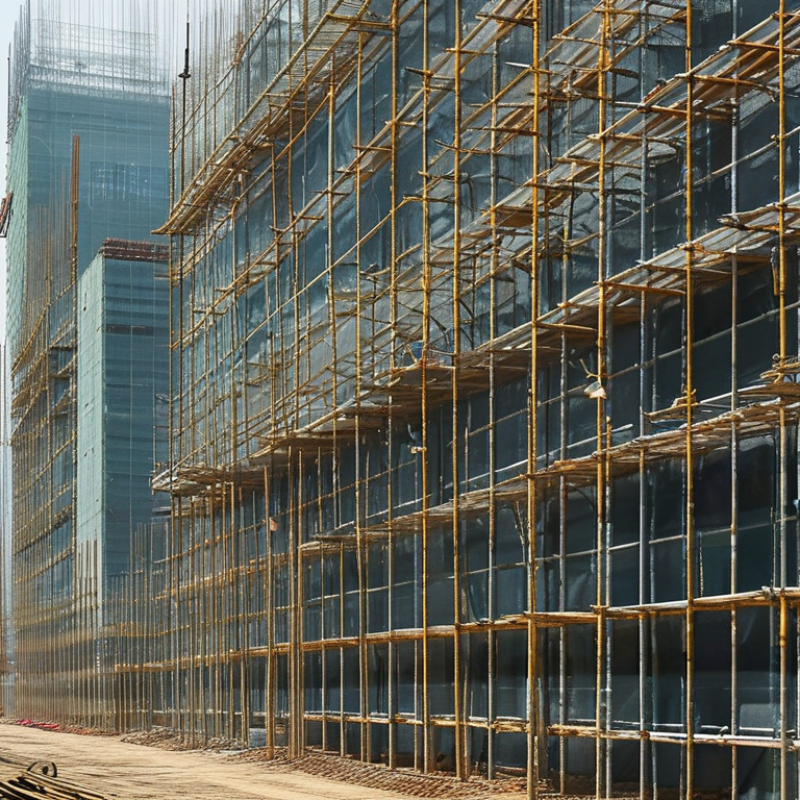
Overview of Scaffolding Materials in the Global Market
Scaffolding materials play a crucial role in construction projects worldwide. A variety of options are available, catering to different needs and budgets.
Steel scaffolding offers strong support, while aluminum is lightweight and easy to transport.
Composite materials are gaining traction for their durability and reduced environmental impact.
Global buyers should consider factors like safety and reliability when choosing materials. Inspecting the quality of welds and connections is vital to ensure user safety.
Additionally, understanding local building codes can help avoid compliance issues. Not all scaffolding materials meet the same standards. Some may show wear and tear sooner than expected.
The landscape of scaffolding materials is evolving. New technologies continue to emerge, driving innovation.
Sustainability is now a key factor in material selection. Buyers might find it challenging to align quality with lower costs.
Thorough research and expert advice can aid in making informed decisions. Understanding the nuances of each material is essential.
Key Properties and Benefits of High-Quality Scaffolding Materials
When considering scaffolding materials, quality is paramount. High-quality scaffolding often includes steel, aluminum, and wood. Steel scaffolding is known for its strength and durability. It can withstand harsh weather conditions. Aluminum is lightweight, making it easier to transport. Wood, while not as common, offers a traditional option that some still prefer.
Choosing the right material impacts safety and efficiency. Steel scaffolding can support heavy loads, making it ideal for large projects. It also resists corrosion with proper treatment. Aluminum’s lightweight nature speeds up assembly. Workers can focus more on the task at hand.
However, cost is a significant factor. Quality materials often come at a higher price. This can lead some buyers to compromise. It's a risk that may affect project timelines and safety. Assessing the specific needs of a project helps in making balanced choices. Always weigh short-term savings against potential long-term costs.
Top Scaffolding Materials for Global Buyers Seeking Quality
This bar chart illustrates the quality ratings of various scaffolding materials based on key properties and benefits. Steel ranks highest for durability and safety, followed by aluminum, wood, and fiberglass.
Top Scaffolding Material Types: Steel, Aluminum, and Wood Explained
When it comes to scaffolding materials, buyers often prioritize strength and efficiency. Steel, aluminum, and wood are the main types used in construction. Each material has its unique benefits and drawbacks, suitable for different projects.
Steel scaffolding is renowned for its strength and durability. According to the American Institute of Steel Construction, steel structures can withstand heavy loads. However, they can be prone to rust if not maintained properly. This longevity can often outweigh the initial investment costs. In a high-rise construction project, using steel scaffolding can significantly enhance safety and support.
Aluminum is lighter than steel. It allows for easy transport and rapid assembly. A report by the National Association of Scaffold Erectors indicates that aluminum can reduce labor costs due to quicker setup times. Nevertheless, its lower weight means it cannot support as much weight as steel. This limitation raises concerns in projects requiring heavy materials.
Wood is a traditional choice, often preferred for small-scale jobs. Reports suggest that while wood is sustainable, its strength can deteriorate over time, especially in varying weather conditions. Projects utilize wood scaffolding due to its lower cost and ease of customization. However, buyers must remember that wood requires regular inspections to ensure safety and reliability. Each material has essential considerations to weigh before making a decision.
Top Scaffolding Materials for Global Buyers Seeking Quality
| Material Type |
Weight (per square meter) |
Load Capacity |
Durability |
Cost (USD per square meter) |
| Steel |
20 kg |
3000 kg |
30 years |
$50 |
| Aluminum |
10 kg |
1500 kg |
20 years |
$75 |
| Wood |
15 kg |
1000 kg |
10 years |
$30 |
Factors to Consider When Sourcing Scaffolding Materials Globally
When sourcing scaffolding materials globally, quality is paramount. Buyers must evaluate the construction standards and safety regulations of the production country. According to the Global Scaffolding Market Report 2023, the demand for high-quality scaffolding has increased by
10% in the last year alone. This trend demonstrates a growing awareness of safety and durability in construction projects.
Material selection is another critical factor. Steel and aluminum are often the top choices due to their strength and longevity. However, the cost and availability can vary significantly by region. For instance, a report suggests that sourcing steel scaffolding in Asia can be
15% cheaper than in Europe. Yet, this savings may be offset by transportation costs and delays.
Furthermore, certification and compliance are vital considerations. Buyers should look for materials that meet international quality standards, such as ISO certifications. An alarming
30% of scaffold failures are linked to inferior materials and lack of proper inspection. This highlights the need for diligence in pursuing reliable suppliers. Engaging with experienced professionals and conducting thorough due diligence can help mitigate risks associated with global sourcing.
Leading Suppliers of Scaffolding Materials and Their Product Offerings
When exploring the scaffolding materials market, quality is paramount for buyers. Several suppliers are known for their extensive product offerings. In particular, steel and aluminum materials dominate the market, with steel scaffolding accounting for approximately 65% of global usage, according to recent industry reports. These materials are preferred for their durability and load-bearing capacities.
Leading suppliers often provide a variety of scaffolding solutions, such as frames, planks, and accessories. The demand for innovative and lightweight materials has surged, with aluminum scaffolding witnessing a growth rate of over 15% annually. Buyers prioritize features like easy assembly and transportability. However, some suppliers may not maintain consistent quality across their product lines. This inconsistency can lead to project delays and safety concerns.
Regulatory compliance is essential, yet not all suppliers meet local safety standards. Some fail to provide adequate test certifications for their products. Buyers should conduct thorough due diligence before making decisions. In a marketplace filled with options, identifying reliable suppliers is critical to ensuring project success. Understanding these dynamics can help global buyers navigate their choices better.

 +86 18531742341