
+86 18531742341
Choosing the right Scaffolding Accessories can determine whether a working platform remains stable, efficient, and safe throughout a demanding project. The best accessories are not always the most expensive ones. They must match the scaffold system, loading conditions, site layout, weather exposure, and workers’ daily movements.
John W. Hinze, a respected construction safety researcher, stated, “Safety is not a slogan; it is a way of life.” This principle applies directly to scaffold accessories. Base plates should sit firmly on suitable foundations. Adjustable jacks need enough thread engagement. Couplers must fit correctly and remain free from visible damage. Guardrails, toe boards, access ladders, and stabilizers also require careful selection and regular inspection.
Small details matter. A poorly secured coupler can shift under movement. A missing toe board can allow tools to slide from a platform. An unsuitable caster can make a mobile tower difficult to control. These examples show why accessory selection should never rely on appearance alone.
This guide examines the top Scaffolding Accessories used on modern sites. It considers their practical functions, installation points, inspection needs, and common selection mistakes. Product labels do not replace judgment. Sometimes, even experienced crews overlook a minor fitting during a rushed setup. That is worth admitting.
Reliable scaffold work depends on competent planning, trained personnel, manufacturer instructions, and applicable safety requirements. Accessories should support those controls, not compensate for weak procedures. The following overview offers a clearer way to compare essential components and choose equipment with confidence.
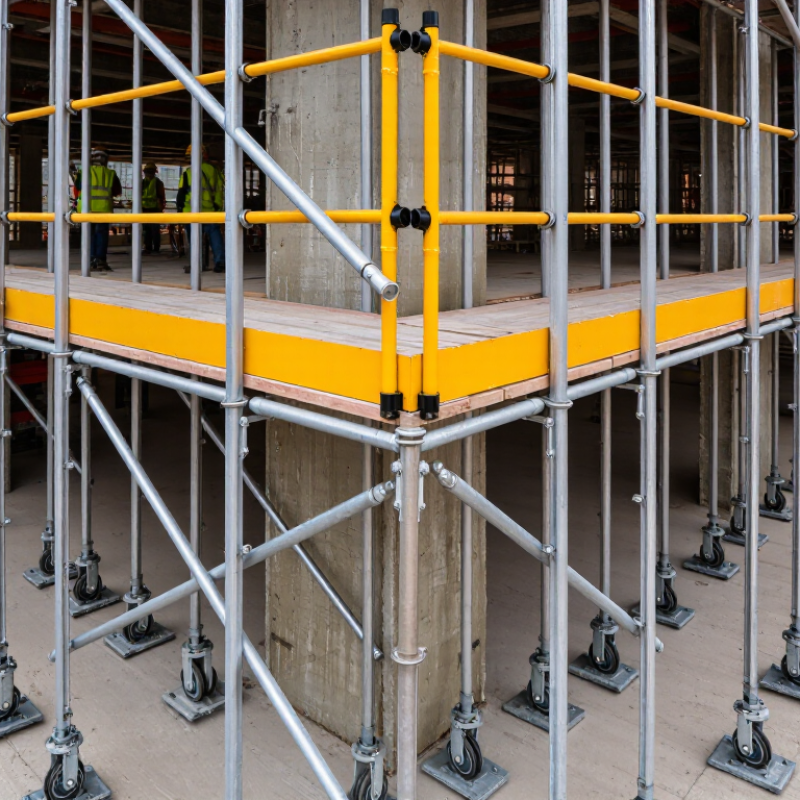
Scaffolding accessories are components that improve stability, access, protection, and daily work efficiency. Common examples include base plates, adjustable jacks, couplers, guardrails, toe boards, access ladders, and platform brackets. Each part has a specific role. Base plates spread pressure across the ground. Couplers connect tubes securely. Guardrails help prevent falls from open platform edges.
These accessories matter because a scaffold is only as reliable as its weakest connection. A level-adjusting jack can correct minor ground differences, but it cannot repair an unstable foundation. Toe boards can stop tools from sliding off a platform. Access ladders reduce unsafe climbing. Professional crews inspect these details before use, after alterations, and following severe weather. Small parts deserve serious attention.
Tips: Check every accessory for bending, cracks, corrosion, or missing pins. Confirm that load ratings match the intended work. Keep platforms clear of loose materials. Use a competent person to inspect the complete assembly. Follow the supplier’s instructions and applicable site requirements. Do not improvise with damaged tubes or mismatched couplers. A practical reminder: perfect-looking equipment can still be incorrectly installed. That is where routine checks sometimes fail.
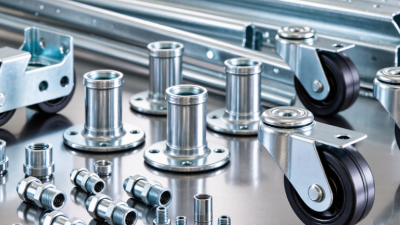
The strongest scaffolding accessories are often the least noticeable. Base plates, sole boards, and adjustable screw jacks transfer vertical loads into firm ground. Cross-braces resist sway, while tie-ins connect the scaffold to a stable structure. Couplers must grip correctly, not merely look tight. A missing tie can turn a steady platform into a moving frame.
OSHA requires scaffold components to support their own weight and at least four times the maximum intended load, according to 29 CFR 1926.451. This requirement makes load planning essential. A loaded platform may include workers, tools, mortar, and stored materials. HSE guidance in HSG150 also stresses firm foundations, effective bracing, and regular inspection. In practical site checks, uneven settlement is easy to miss after rain. That assumption can fail. Inspectors should examine sole boards for crushing, screw jacks for overextension, and couplers for damaged threads.
Tips: Place sole boards on compacted ground, not loose soil. Keep screw-jack extensions within the manufacturer’s permitted range. Install ties and braces according to the engineered design. Check after storms, impact, or relocation. OSHA guidance recommends inspection by a competent person before each work shift and after events that could affect structural integrity. Photographs help document changes, but they cannot replace hands-on inspection. A useful improvement is recording actual platform loads during busy work periods. Many teams estimate them poorly. Good records reveal where extra transoms, ties, or bracing may be needed.
What Are the Top Scaffolding Accessories?
Safe access depends on more than a strong scaffold frame. Guardrails, midrails, and toe boards protect workers from open edges and falling tools. A proper stair tower or secured access ladder reduces climbing risks. Self-closing gates are useful at platform openings, especially near busy material routes. OSHA’s Scaffold Safety Fact Sheet estimates that scaffold-related incidents cause about 4,500 injuries and 50 deaths each year in the United States. That figure makes access equipment a safety control, not a convenience.
Base plates, adjustable screw jacks, and correctly rated couplers help maintain stability on uneven ground. Diagonal braces limit movement when wind or shifting loads affect the structure. Debris netting can also protect people below, but it must not replace toe boards or safe housekeeping. CPWR’s construction safety analyses consistently identify falls as a leading cause of fatal injuries. Small gaps matter. A misplaced brace or loose fitting can become a serious failure point.
Regular inspections should confirm that ladders, gates, guardrails, and platforms remain secure after relocation or weather changes. Inspection tags can support communication, but they may create false confidence if workers stop checking the actual equipment. That weakness deserves attention. In practice, the safest setup combines compatible accessories, trained users, documented inspections, and clear load limits. A tidy platform helps too, although real sites rarely stay tidy for long.
Equipment that improves scaffolding safety, stability, fall protection, and access
Guardrails and toe boards help protect workers and people below, while ladders and scaffold stairs provide safer access between levels. Base plates and adjustable base jacks improve stability, and couplers secure scaffold tubes and structural connections. Actual requirements depend on scaffold design, site conditions, and applicable regulations.
Scaffold accessories support different construction tasks by improving stability, access, and control. The right components can make a platform safer and more efficient.
Base plates spread load across firm ground, while adjustable leveling jacks help compensate for minor height differences. They cannot correct badly prepared soil. Couplers connect tubes and create stronger layouts around corners, openings, and uneven building lines. Guardrails and toe boards protect workers from edge falls and falling tools. Toe boards matter more than they seem. A loose wrench can become a serious hazard below.
For painting, plastering, and façade repairs, platform brackets can extend the working area without forcing workers to overreach. Caster wheels support mobile towers during controlled repositioning, but wheels must be locked before work begins. Material trays and lifting accessories reduce repeated climbing, saving time and unnecessary strain. On tighter sites, access ladders and internal stair units can improve movement between levels.
Every accessory needs a clear purpose, correct fit, and regular inspection. A component that looks similar may still have a different load rating or connection method. Trained personnel should check damaged threads, bent tubes, missing pins, and unstable foundations before use. Local safety rules and the scaffold system’s instructions must guide installation. In practice, accessory selection is not always perfect on the first attempt. Site conditions change, and a safer adjustment may be needed. Safety depends on that willingness to reconsider.
Selecting scaffolding accessories should begin with the work, not the catalog. Base plates, adjustable jacks, couplers, guardrails, toe boards, access ladders, and casters each solve different risks. Check the expected load, platform height, ground condition, and exposure to wind or moisture. Accessories must match the scaffold system and its manufacturer’s specifications. Compatibility matters more than appearance.
On site, I inspect couplers for cracks, damaged threads, and poor locking action. I also check whether base plates sit flat on firm foundations. A small gap can become a serious stability problem. Guardrails should remain secure, while toe boards should prevent tools from sliding off platforms. Select corrosion-resistant parts for wet environments, but do not assume corrosion resistance means zero maintenance. It does not.
Maintenance works best with a written inspection routine. Clean mud, paint, and concrete from connection points after use. Lubricate suitable moving parts, but keep walking surfaces free from oily residue. Remove bent, cracked, heavily corroded, or modified components from service immediately. Store accessories off the ground in dry, organized racks. Clear identification helps prevent accidental reuse.
A checklist can still miss details. I have seen a sound-looking coupler fail because its locking mechanism was packed with debris. Trained inspectors should review equipment before assembly, after relocation, and following severe weather. Records should note the date, condition, corrective action, and person responsible. Local safety requirements and competent-person guidance must always control the final decision.