Top Scaffold Clamps for Global Buyers What to Look For?
Choosing the right Scaffold Clamps is crucial for construction projects worldwide. These clamps play a significant role in ensuring safety and stability. With many options available, understanding key features can guide buyers in making informed decisions.
When selecting Scaffold Clamps, consider the material quality. High-grade steel offers durability and resilience. Clamps should also have a reliable locking mechanism. This detail often gets overlooked but is essential for safety.
Moreover, adaptability is another critical factor. Different projects demand versatile clamps. Buyers must reflect on their specific needs. Sometimes, a popular choice may not suit every situation. Ultimately, making the right choice requires careful consideration of various aspects.
What are Scaffold Clamps and Their Importance in Construction?
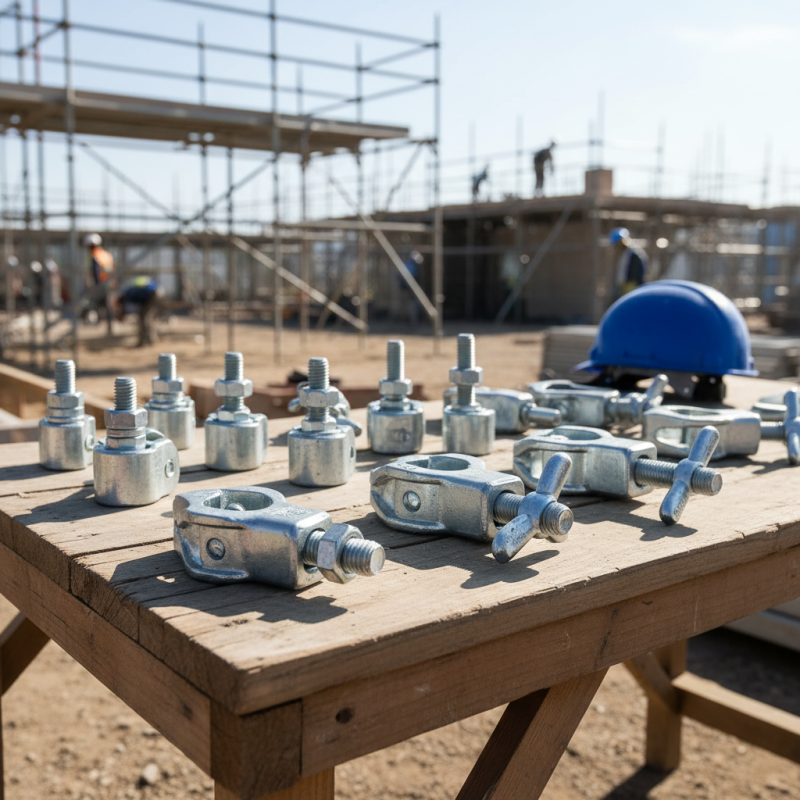
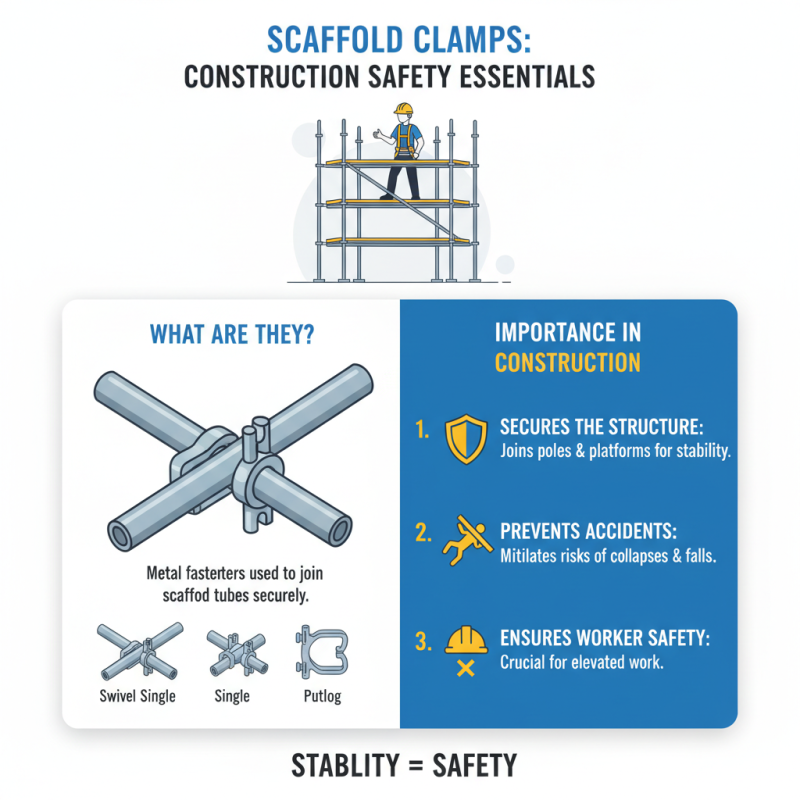
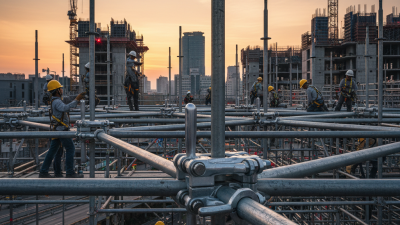
Scaffold clamps play a crucial role in the construction industry. They are essential for securing scaffolding systems, ensuring safety for workers at elevated heights. A reliable scaffold clamp guarantees that the entire structure remains stable. This stability prevents accidents and injuries, which are common at construction sites.
Different types of scaffold clamps are available, each serving unique purposes. Some clamps connect horizontal and vertical components, while others may allow for angular adjustments. The choice of clamp affects the overall integrity of the scaffold. It's vital to understand these differences to select the right type for specific projects. We often overlook these details during construction planning, which can lead to safety hazards.
Proper installation is another critical factor. Improperly fitted clamps can compromise the scaffold's stability. Regular inspections and maintenance are necessary to ensure everything is in top condition. Thus, even minor oversights can have severe implications. Prioritizing quality and knowledge when choosing scaffold clamps leads to safer work environments. Understanding their importance helps in making informed decisions.
Key Features to Consider When Choosing Scaffold Clamps
When selecting scaffold clamps, it’s essential to focus on material strength and durability. Research indicates that around 50% of scaffold failures are due to inadequate clamps. Thus, choosing high-quality materials can prevent costly accidents. Steel and aluminum are common choices. Steel offers greater strength, while aluminum provides lightweight options for mobility.
Another critical factor is load capacity. Clamps should meet or exceed the expected weight demands. According to industry standards, clamps typically should support loads between 1,000 to 5,000 pounds. The higher the load capacity, the more versatile the clamps become. This is especially important for varying job sites where loads can fluctuate.
Compatibility with scaffolding systems is also crucial. Not all clamps fit every type of scaffold. Compatibility ensures stable connections and enhances safety. Some clamps might not deliver the expected performance, leading to potential risks. Regular inspections are a must, as wear and tear can compromise integrity. Pay attention to signs of rust or deformation, as these may signal the need for replacement.
Types of Scaffold Clamps Available in the Global Market
Scaffold clamps are essential components in construction, providing stability and safety. There are several types of scaffold clamps available in the global market, each suited for different needs. According to industry reports, the scaffold clamp market is projected to grow significantly, with a CAGR of 4.2% over the next five years. Buyers should understand the various types of clamps before making a purchase.
The two most common types are fixed and swivel clamps. Fixed clamps secure components in a singular position, making them ideal for straightforward setups. On the other hand, swivel clamps allow for adjustment, accommodating various angles. Additionally, there are quick-release clamps, designed for swift disassembly, which can enhance efficiency on job sites. However, these can sometimes compromise stability if not used properly.
Another crucial factor is material durability. Many clamps are made from steel or aluminum, each offering distinct benefits. Steel provides high tensile strength, while aluminum is lightweight and resistant to corrosion. Yet, it’s essential to assess the environment where the clamps will be used. Environmental conditions can degrade material quality over time. Regular inspections remain vital to avoid equipment failure, highlighting the need for ongoing reflection on safety practices in scaffold assembly.
Top Scaffold Clamps for Global Buyers What to Look For?
| Type of Clamp |
Material |
Load Capacity (kg) |
Weight (kg) |
Applications |
| Swivel Clamp |
Steel |
2000 |
1.5 |
Flexible positioning |
| Fixed Clamp |
Aluminum |
1500 |
1.2 |
Straight connections |
| Corner Clamp |
Mild Steel |
1800 |
1.8 |
Joining two pipes at angles |
| Joint Connector |
Zinc Plated Steel |
1400 |
1.0 |
Connecting different scaffold sections |
| Double Coupler |
Forged Steel |
2200 |
1.7 |
Connecting two tubes |
Safety Standards for Scaffold Clamps: What Buyers Should Know
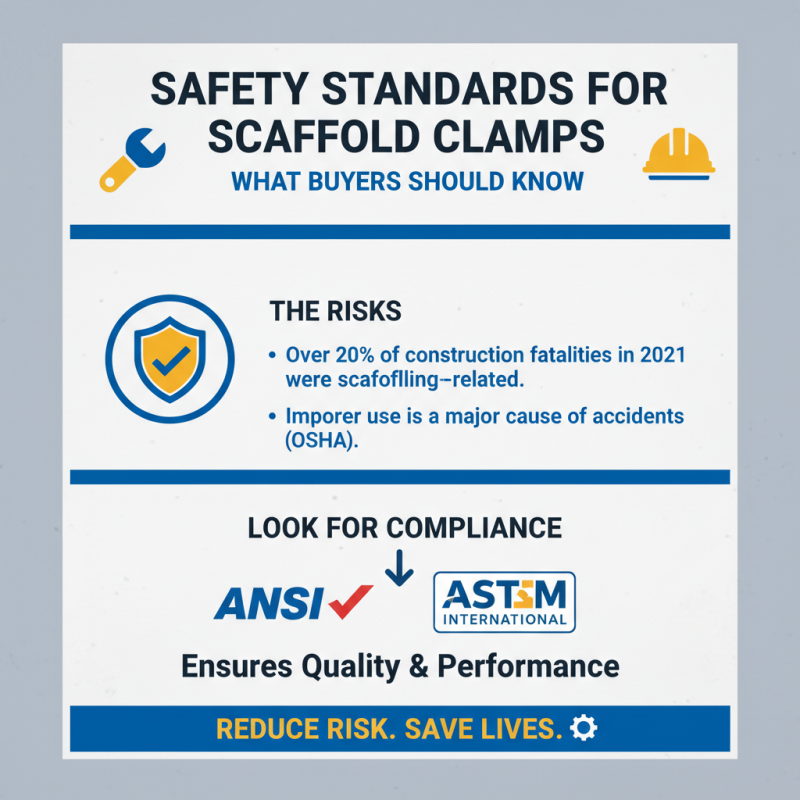
When purchasing scaffold clamps, understanding safety standards is crucial. The Occupational Safety and Health Administration (OSHA) reports numerous accidents linked to improper use of scaffolding. In 2021, scaffolding-related incidents accounted for over 20% of construction fatalities. Ensuring that scaffold clamps meet established safety standards can significantly reduce risk. Buyers should look for clamps that comply with ANSI and ASTM standards, assuring quality and performance.
A well-designed scaffold clamp should provide secure connections between scaffold members. Look for clamps made from high-quality materials, like forged steel. Forged steel offers better tensile strength, which is essential for maintaining integrity under heavy loads. Testing data indicates that clamps with proper certifications can withstand up to 1,500 pounds of force. This strength is vital for worker safety.
**Tip:** Always check the load ratings and certifications of scaffold clamps.
It’s also important to consider the ease of installation. Complicated clamps can lead to errors and dangers during setup. Training workers on the correct usage of clamps and providing clear documentation can minimize mistakes. A clamp that is difficult to understand may not perform well in high-pressure situations.
**Tip:** Conduct regular inspections to ensure the clamps are in good condition.
Effective communication among crew members is essential. Make sure everyone understands the importance of adhering to safety protocols. Regular safety briefings can help emphasize the significance of proper clamp usage and reduce the chance of accidents.
Top Manufacturers and Brands for Quality Scaffold Clamps
When selecting scaffold clamps, buyers should focus on reputable manufacturers known for their quality. High-quality clamps enhance safety on construction sites. Look for companies that are established and have a proven track record. A brand’s experience can indicate reliability. Manufacturers should comply with safety standards and provide warranties.
Materials used in clamps significantly affect their durability. Look for clamps made from high-grade steel or aluminum. These materials resist wear and corrosion. Some buyers find the pricing of quality clamps daunting. However, investing in durable options often means fewer replacements over time.
Not all brands offer the same level of service or quality. Some may falter in customer support or product availability. Research company reviews and seek recommendations. Engaging with a variety of sources can provide insight into the best options. Reflect on previous purchases; learning from past experiences is crucial. Always prioritize safety and reliability in your selection process.

 +86 18531742341