Top 10 Benefits of Using Scaffold Ringlock for Construction?
In the construction industry, safety and efficiency are paramount. Scaffold Ringlock systems have emerged as a reliable solution. This innovative scaffolding method is designed to enhance structural integrity and worker safety. Its modular design allows for quick assembly and disassembly, making it ideal for various construction projects.
One significant benefit of using Scaffold Ringlock is its adaptability. It can be customized to fit a range of site conditions. This flexibility can save both time and labor costs. Additionally, the robust materials used in Ringlock systems ensure durability. They withstand the rigors of harsh construction environments.
While the benefits are clear, there are challenges to consider. Proper training is crucial for workers to utilize Scaffold Ringlock effectively. Ensuring that the system is correctly assembled is also vital for safety. This highlights the importance of ongoing education and proper oversight in the construction process. Embracing the benefits of Scaffold Ringlock can lead to improved outcomes, but it requires commitment and diligence from all involved.

Benefits of Enhanced Safety Standards with Scaffold Ringlock Systems
The use of Scaffold Ringlock systems has greatly improved safety standards in the construction industry. According to a report by the Occupational Safety and Health Administration (OSHA), falls are one of the leading causes of fatalities in construction. Enhanced safety features of Ringlock systems reduce risks associated with falls. These systems provide a stable, secure platform for workers, which significantly lowers the chance of accidents.
Ringlock scaffolding allows for quick assembly and disassembly, enhancing worker security. A study by the International Journal of Occupational Safety and Ergonomics found that proper scaffolding setup can reduce fall-related injuries by 50%. The Ringlock design minimizes the potential for misalignment. However, some users may still neglect safety protocols during setup and usage, indicating the need for ongoing training.
Moreover, Ringlock's versatility in design fosters better safety practices. With options for stairways and platforms, workers can navigate elevated surfaces safely. Though industry reports highlight effectiveness, there’s always room for improvement. Continuous education on scaffolding safety remains essential in promoting a culture of safety on construction sites.
Increased Efficiency in Assembly and Dismantling of Ringlock Scaffolding
The assembly and dismantling of scaffolding can be time-consuming and labor-intensive. Using scaffold ringlock systems increases efficiency significantly. Constructed with interlocking components, ringlock scaffolding allows for quick assembly. Workers can set up an entire structure in a fraction of the time compared to traditional systems. This helps reduce labor costs and project timelines.
Additionally, the design of ringlock scaffolding facilitates easy disassembly. When the project is complete, crews can take down the scaffolding swiftly. This minimizes downtime on construction sites. Workers can focus on their primary tasks rather than spending hours on dismantling. However, challenges may arise if crew members are not adequately trained in the system.
Another advantage lies in its versatility. Ringlock scaffolding adapts to various construction needs. It supports different heights and loads, enhancing its utility. Yet, inconsistencies in material quality can pose risks, affecting its reliability. Regular inspections and proper maintenance are crucial for safety. Emphasizing the importance of training and adherence to safety protocols is essential to harness the full potential of ringlock scaffolding.
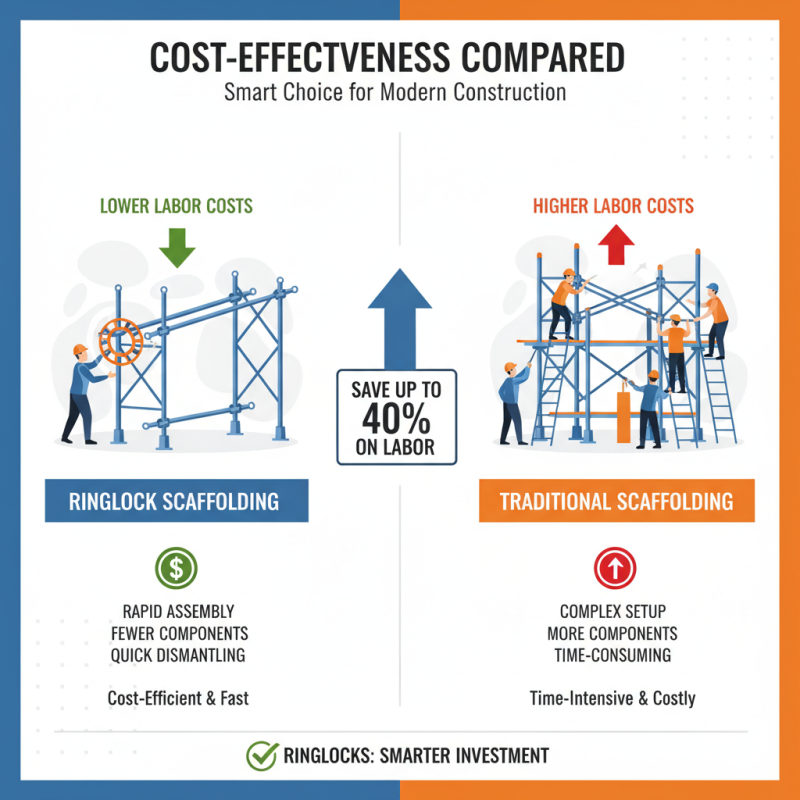
Cost-Effectiveness Compared to Traditional Scaffolding Solutions
When it comes to construction, cost-efficiency is a top priority. Scaffold Ringlock is emerging as a popular choice for many projects. Its design allows for quick assembly and disassembly, reducing labor costs significantly. Traditional scaffolding often involves more components and complexity. Workers can spend hours just setting up. With Ringlock, the process is streamlined and efficient.
Using Scaffold Ringlock also minimizes material waste. Each piece interlocks securely, ensuring stability and reducing the chance of accidents. This durability means less money spent on repairs and replacements. It's a system that works well for various project sizes. Smaller jobs benefit from portability, while larger sites enjoy increased safety. However, some users have reported a learning curve. Training may be necessary to harness its full potential.
Moreover, the initial investment in Ringlock scaffolding is often lower than traditional systems. Companies can save upfront costs while ensuring safety. However, some may hesitate to switch due to familiarity with older systems. Transitioning to a new method can lead to temporary disruptions. It’s crucial to weigh long-term savings against short-term challenges.
Versatility of Scaffold Ringlock in Varied Construction Projects
Scaffold Ringlock offers remarkable versatility across various construction projects. Its modular design allows for rapid assembly and disassembly. This feature significantly reduces labor costs and project timelines. According to a recent industry report, projects using Ringlock systems can reduce assembly time by up to 30%. In high-paced environments, this efficiency can be crucial for meeting tight deadlines.
Different projects, from residential buildings to large commercial structures, benefit from its adaptability. The Ringlock system accommodates different heights and loads, along with complex architectural designs. A survey of contractors indicated that approximately 70% prefer Scaffold Ringlock for its flexibility in diverse applications. Additionally, the ability to customize configurations enhances safety, a critical factor in construction.
However, despite its advantages, some challenges remain. Proper training is essential for the workforce to maximize its use. Misconfiguration can lead to potential risks, undermining the system's advantages. Continuous evaluation and adjustments are necessary to maintain safety standards while taking full advantage of the system's benefits.
Top 10 Benefits of Using Scaffold Ringlock for Construction
Superior Load-Bearing Capacity of Ringlock Scaffolding Systems
Ringlock scaffolding systems are renowned for their superior load-bearing capacity. This high-performance capability is crucial in construction, where safety and stability are paramount. Studies indicate that Ringlock systems can support loads exceeding 60 kN per bay. This means they efficiently handle heavy materials and equipment, allowing workers to perform tasks comfortably. Such strength reduces the risk of failures during critical phases of construction.
The design of the Ringlock system enhances its load capacity while maintaining lightweight characteristics. Each component is engineered for optimal strength, yet the overall system remains easy to transport. Users appreciate how this system can be assembled quickly, reducing downtime. However, some may find that meticulous maintenance and inspection are necessary to ensure long-term reliability.
Contractors have reported that utilizing Ringlock scaffolding can significantly reduce costs associated with delays and accidents. Despite these benefits, it is essential to acknowledge potential downsides. Improper assembly can compromise safety. Rigorous training on proper setup and usage is vital for all workers. Hence, while Ringlock systems present exceptional load capacity, careful attention to installation practices and regular inspections are necessary for success.

 +86 18531742341