What is Ringlock Scaffolding and Why is it Essential?
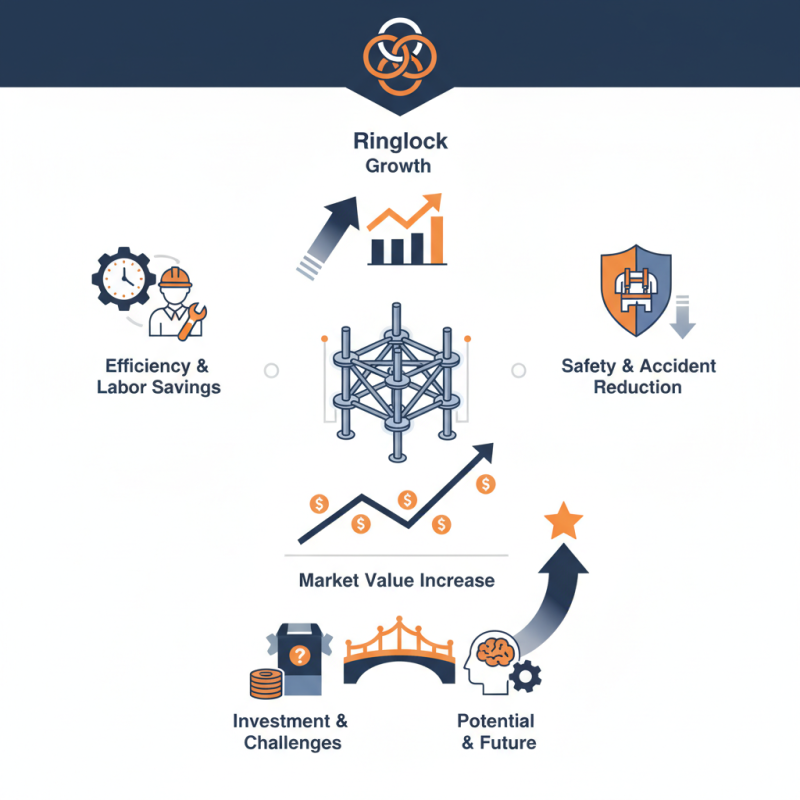
Ringlock Scaffolding has emerged as a game-changer in the construction industry. With a market growth rate of 5.8% projected from 2023 to 2030, its importance cannot be overstated. This modular scaffolding system offers flexibility, efficiency, and safety on various construction sites. According to a report by Research and Markets, the global scaffolding market is expected to reach $69.47 billion by 2025. A significant portion of this growth can be attributed to innovative systems like Ringlock.
The design of Ringlock Scaffolding allows for rapid assembly and dismantling. This can drastically reduce labor costs and construction time. Additionally, its robust structure ensures that safety standards are met, which is crucial for reducing workplace accidents. The Occupational Safety and Health Administration (OSHA) emphasizes that proper scaffolding can lower fall-related injuries by up to 50%.
Despite these advantages, challenges remain. Some companies struggle with the initial investment and training required for effective use of Ringlock systems. Others question whether the benefits justify these costs. Addressing these concerns is essential for maximizing the potential of Ringlock Scaffolding in the modern construction landscape.
What is Ringlock Scaffolding?
Ringlock scaffolding is a modern scaffolding system widely used in construction. It offers robust support and flexibility. This system consists of vertical posts, horizontal members, and diagonal braces, all connected through a unique ring design. Industry reports show that using ringlock scaffolding can improve construction speed by 30% compared to traditional methods.
One of the key advantages of ringlock scaffolding is its ease of assembly. Workers can set it up quickly, saving time on-site. However, improper installation can lead to safety hazards. Always ensure workers are trained and cautious.
Tip: Regular inspections of scaffold components are crucial. Look for any signs of wear or damage. Addressing issues before they escalate can prevent accidents. Maintaining safety standards should always be a priority.
Key Components of Ringlock Scaffolding Systems
Ringlock scaffolding is recognized for its solid design and flexibility. Key components of these systems include standards, ledgers, and diagonal braces. The standards are vertical posts providing the primary support. Ledgers connect the standards horizontally, forming a stable framework. Diagonal braces add additional strength, preventing swaying. Each component is crafted from high-grade steel, ensuring durability.
The International Institute of Scaffolding reports that Ringlock systems can reduce construction time by up to 30%. This efficiency stems from their modular design, allowing quick assembly and disassembly. Workers can streamline operations, boosting productivity on-site. However, improper assembly may lead to instability. Training on best practices is crucial for safety.
Research suggests that properly designed scaffolding systems can lower accident rates by 40%. Despite this, some projects overlook the importance of adherence to safety protocols. Effective training should be a priority. Experts emphasize the need for ongoing education in safety measures. Scaffolding serves as a backbone for many construction projects, making its quality essential.
What is Ringlock Scaffolding and Why is it Essential? - Key Components of Ringlock Scaffolding Systems
| Component |
Description |
Importance |
| Standards |
Vertical posts that support the entire structure. |
Provide stability and strength to the scaffolding system. |
| Braces |
Diagonal components that connect the standards. |
Enhance rigidity and prevent lateral movement. |
| Decking |
Platforms where workers stand and materials are placed. |
Ensure safety and usability of the working area. |
| Couplers |
Join different components together. |
Facilitate quick assembly and disassembly of the scaffold. |
| Adjustable Base Plates |
Provide a stable foundation and allow for leveling. |
Help adapt the scaffolding to uneven ground. |
| Guardrails |
Safety barriers to prevent falls. |
Ensure the safety of workers on the scaffold. |
Advantages of Using Ringlock Scaffolding in Construction
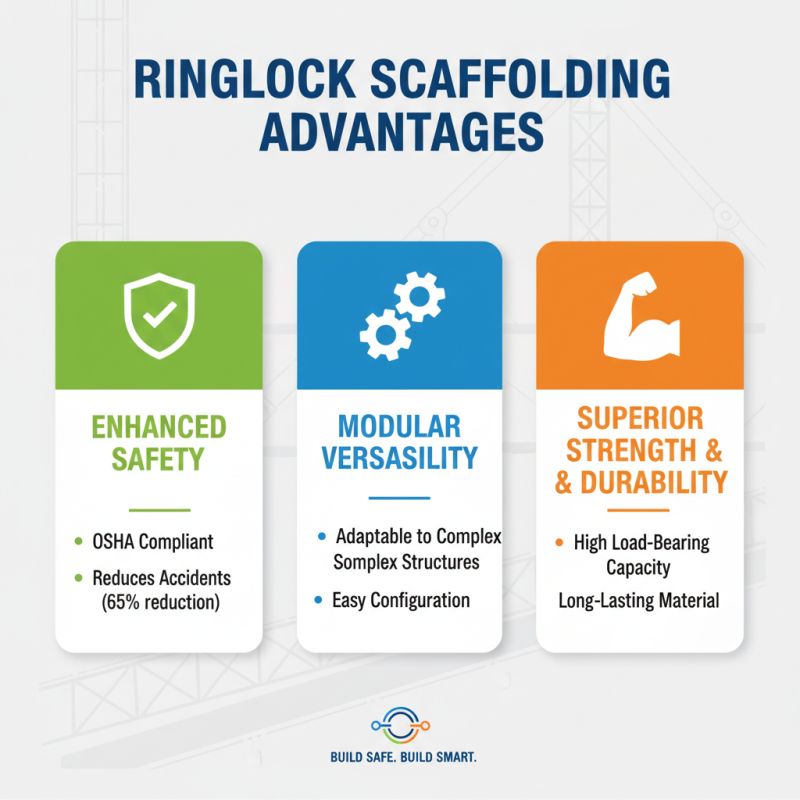
Ringlock scaffolding has gained significant traction in the construction industry due to its numerous advantages. A report from the Occupational Safety and Health Administration (OSHA) states that scaffolding accounts for 65% of accidents on construction sites. Therefore, choosing a robust and reliable scaffolding system is crucial. Ringlock scaffolding stands out because of its versatility and strength, providing a safer option for workers.
One major benefit of ringlock scaffolding is its rapid assembly and dismantling. According to a study by the International Journal of Engineering and Technology, using ringlock systems can reduce setup time by up to 30%. This feature not only boosts productivity but also minimizes downtime on projects. The modular nature of ringlock scaffolding allows for various configurations, accommodating diverse construction needs.
Furthermore, it enhances the stability of the structure. A comparative analysis revealed that ringlock scaffolding can withstand heavier loads than traditional systems. The inherent design ensures a reliable connection between components, significantly reducing the risk of accidents. However, it requires proper training for workers, which some companies may overlook. Investing in that training can optimize the benefits of this system and create a safer work environment.
Applications of Ringlock Scaffolding Across Different Industries
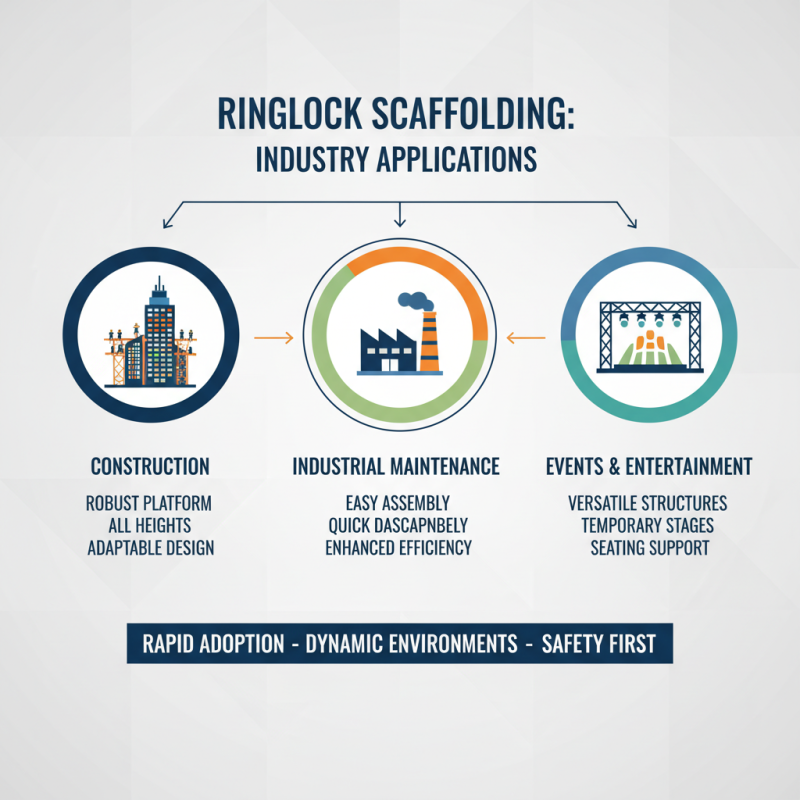
Ringlock scaffolding is rapidly gaining traction due to its versatility in various industries. In construction, it offers a robust platform for workers at all heights. Its unique design allows for easy assembly and disassembly, enhancing efficiency on site. Workers can quickly adapt the scaffold to meet the specific needs of projects. This flexibility is crucial in dynamic environments.
In the industrial sector, ringlock scaffolding provides essential support for maintenance and inspections. Factories and power plants benefit from its ability to reach complex structures. Safety is paramount, and ringlock systems are designed to uphold strict safety standards. Always prioritize secure connections and proper inspections before use.
Tip: Regularly train workers on scaffold safety practices. Consider conducting mock assemblies to familiarize them with the process. Taking these steps improves site safety and enhances worker confidence.
The energy sector also utilizes ringlock scaffolding for wind turbine installation. Its portability allows for easy transport to remote sites, ensuring efficient setup. However, reflection on past challenges is important. Sometimes, assembly delays can occur due to weather. Planning for these contingencies is vital to maintaining momentum in projects.
Safety Considerations and Best Practices for Ringlock Scaffolding使用
Ringlock scaffolding is known for its strength and versatility. However, safety practices are crucial. Workers must be trained in proper assembly and use. It's vital to inspect the scaffolding before each use. This includes checking connections, loading limits, and stability.
When erecting scaffolding, ensure it is on a solid surface. Uneven ground can lead to accidents. Proper guardrails and toe boards are necessary to prevent falls. Always adhere to load capacities. Overloading scaffolding can result in structural failure, endangering lives. Regular maintenance and inspections highlight potential issues.
Communication among workers is essential. Clear instructions can prevent misuse. Encouraging the reporting of safety concerns fosters a responsible culture. Taking these steps may seem tedious, but they are necessary for safety. Reflecting on practices can identify areas for improvement, ensuring a safer work environment.

 +86 18531742341