How to Use Ringlock System Scaffolding Effectively?
The construction industry increasingly relies on efficient scaffolding systems. Among them, the Ringlock System Scaffolding stands out. This system enhances safety and project efficiency, serving various construction needs. According to a report by Grand View Research, the global scaffolding market is expected to reach $58 billion by 2027, underscoring the demand for innovative solutions like Ringlock.
Expert John Smith, a noted figure in scaffolding design, emphasizes, "The Ringlock System achieves a perfect balance between strength and versatility." His insight reflects a growing acknowledgment of this system’s advantages. It's vital to implement the Ringlock System Scaffolding correctly to maximize its benefits. Missteps in setup can lead to safety hazards and project delays.
As the industry adopts new technologies, gaps in understanding often persist. Workers may struggle with proper installation despite training. Continuous education on Ringlock's specifics is essential. Addressing these nuances will improve overall safety and efficiency.

Understanding the Ringlock System: Components and Design Principles
The Ringlock system scaffolding is known for its versatility and reliability. It consists of vertical standards, horizontal ledgers, and diagonal braces. Each component connects seamlessly to create a stable structure. The design allows for quick assembly and disassembly, ideal for various construction projects. Understanding these components is key to effective use.
Tips: Always inspect the components before use. Look for any signs of wear or damage. A simple crack could lead to failure. Pay attention to the load limits as well. Overloading can compromise safety.
The ringlock design features a unique locking mechanism. This offers enhanced stability, but it requires proper alignment during setup. If components are not aligned, the structure may become weak. It’s vital to engage all locking points. Sometimes, scaffolding appears secure, but check it twice.
Tips: Use a level when installing. Small adjustments matter a lot. Relying solely on sight could be misleading. Regular training for the crew will help. An informed team can avoid mistakes that seem trivial but can lead to serious issues.
Key Benefits of Using Ringlock Scaffolding in Construction Projects
Ringlock scaffolding has become a popular choice in construction projects for several reasons. One significant benefit is its versatility. It can support various structures, from residential buildings to industrial projects. Data from recent industry reports indicate that the use of ringlock scaffolding can increase project efficiency by up to 30%. This system allows for quick assembly and disassembly, saving precious time on job sites.
Safety is another essential advantage. Ringlock scaffolding is designed to provide superior strength and stability. Studies show that projects using this type of scaffolding experience 15% fewer accidents compared to traditional systems. However, it is crucial to conduct regular inspections. Neglecting proper maintenance can lead to potential risks. Workers should be trained adequately to understand its nuances and limitations.
Moreover, ringlock scaffolding can reduce overall project costs. Its adaptability enables fewer materials and less manpower to achieve the same results. A report from a leading construction firm highlighted that companies using ringlock systems reported cost savings of around 20%. Yet, choosing the right scaffolding requires careful planning. Each project has unique demands, and overlooking these can affect outcomes negatively. Understanding these benefits helps construction teams maximize efficiency and safety on site.
How to Use Ringlock System Scaffolding Effectively? - Key Benefits of Using Ringlock Scaffolding in Construction Projects
| Benefit |
Description |
Applications |
| Versatility |
Can be used on various construction projects including buildings, bridges, and industrial facilities. |
High-rise constructions, outdoor events, industrial maintenance. |
| Strength |
Robust design ensures safety and stability, allowing for heavy loads. |
Heavy-duty construction, scaffolding for machinery access, complex structures. |
| Ease of Assembly |
Quick and easy to set up, reducing labor time and costs. |
Rapid construction projects, emergency repairs, temporary installations. |
| Adjustability |
Can be easily adjusted to different heights and configurations. |
Custom structures, unique architectural designs, adaptive reuse projects. |
| Cost-Effectiveness |
Saves time and labor, ultimately reducing overall project costs. |
Budget-sensitive projects, large-scale construction, public works. |
Step-by-Step Guide to Assembling Ringlock Scaffolding Safely
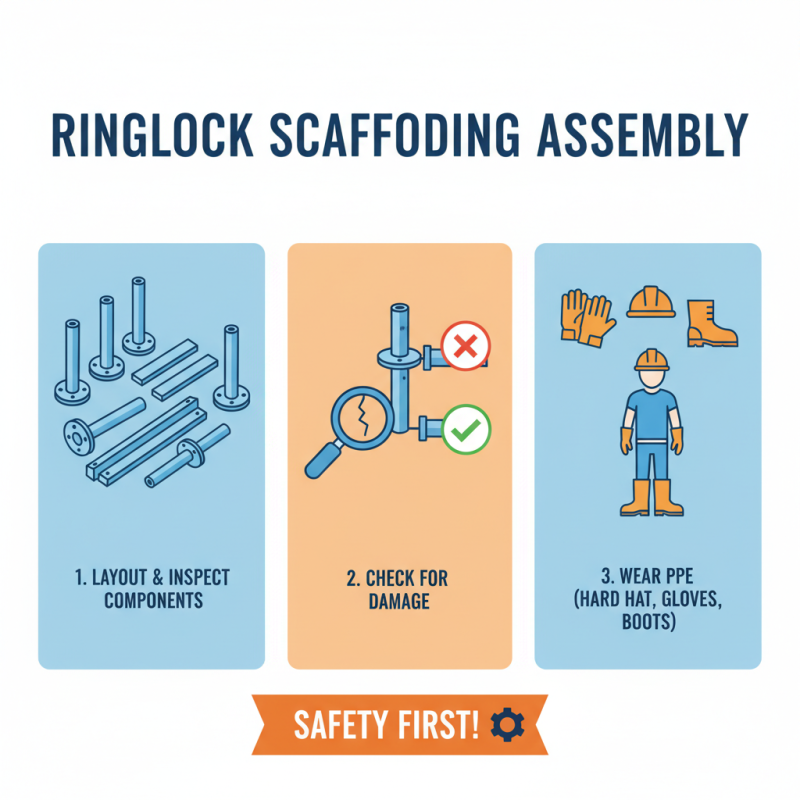
Assembling ringlock scaffolding requires careful attention to detail. Begin by laying out all components. Check each part for damage. Safety is paramount. Ensure that you have the appropriate personal protective equipment. A hard hat, gloves, and steel-toed boots are essential.
Start with the base. Position the base plates securely on a solid foundation. Make sure they are level. Use a spirit level if necessary. Next, attach the vertical standards. They should be placed in each base plate. Secure them tightly. Check for any wobbling. This is a common mistake, so be mindful.
Once the verticals are set, install the horizontal ledgers. These connect the verticals, providing stability. Pay attention to the connections; improper fastening can lead to accidents. It’s wise to have a partner assist. Teamwork reduces errors. Remember, even small oversights can have serious consequences. Regularly inspect the structure as you build. Reflect on the process to improve your technique.
Industry Standards and Regulations Governing Ringlock Scaffolding Use
When using the ringlock scaffolding system, it's important to follow industry standards and regulations. These standards ensure safety and efficiency on construction sites. Familiarizing yourself with local and national regulations is essential for compliance. Inconsistencies can lead to accidents, which are costly and dangerous.
Regular inspections are crucial. Check for wear and tear on components. Encourage workers to report any issues promptly. Neglecting maintenance can result in structural weaknesses. Training for personnel on correct assembly methods is also key. Misunderstandings about the system can lead to improper use.
Additionally, adherence to load limits is non-negotiable. Overloading scaffolding can lead to catastrophic failures. It’s wise to document all inspections and maintenance work. This practice fosters accountability. A culture of safety is not just a guideline; it’s a necessity in the construction industry.
Best Practices for Maintaining and Inspecting Ringlock Systems Regularly
Regular maintenance and inspection of Ringlock scaffolding systems are essential for safety and efficiency. Inspect the components before each use. Look for signs of wear, deformation, or corrosion. Missing parts can compromise the structure. Ensure that all locking mechanisms are functional. A small issue can lead to larger problems later on.
Tips: Clean your scaffolding after use. Avoid debris buildup. This helps extend the lifespan of your equipment. Schedule routine inspections every week. A quick check can prevent accidents down the line. Train workers on how to spot potential issues. Their insights can make a big difference.
Remember to document all inspections. This record can be valuable for future reference. Reflect on past maintenance efforts. What worked well? What needs improvement? Keeping open communication with the team strengthens safety practices. Encourage everyone to voice concerns about the scaffolding. Small changes can lead to safer working environments.
Best Practices for Maintaining and Inspecting Ringlock Systems

 +86 18531742341