Why Construction Scaffolding is Essential for Safe and Efficient Building Projects
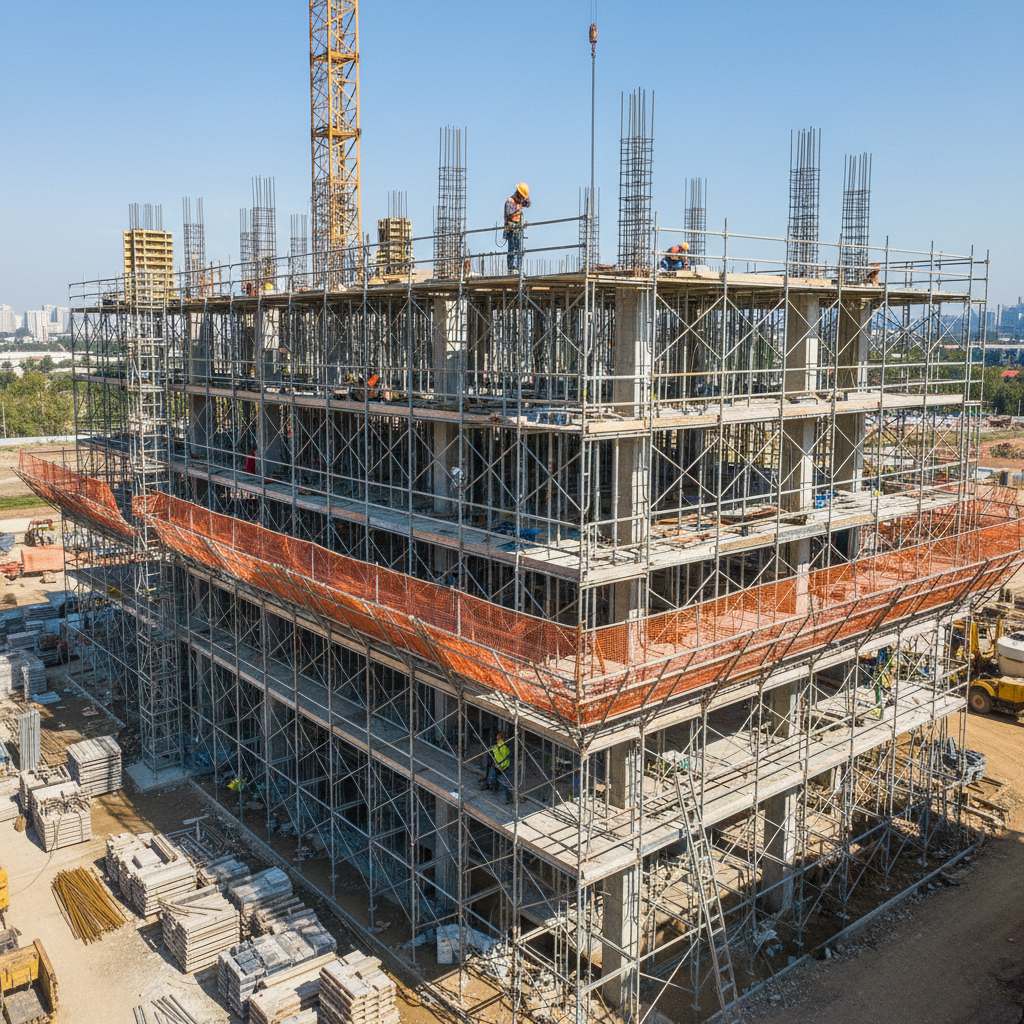
Construction Scaffolding plays a crucial role in modern building projects, serving as an essential framework that not only supports workers and materials but also enhances overall safety and efficiency. As construction sites become increasingly complex, the need for reliable scaffolding systems has grown. These temporary structures provide a stable platform that allows workers to perform their tasks at various heights, ensuring that projects are completed safely and without delays.

In this guide, we will explore the numerous benefits of Construction Scaffolding, along with valuable tips for selecting and maintaining scaffolding systems. From understanding the different types of scaffolding available to implementing best practices for installation and usage, this article will equip you with the knowledge needed to optimize your projects. Whether you are a contractor, project manager, or site supervisor, grasping the importance of scaffolding can lead to safer work environments, faster project completion times, and ultimately, greater cost efficiency.
Types of Construction Scaffolding and Their Applications in Building Projects
Construction scaffolding is vital for ensuring safety and efficiency in building projects. There are several types of scaffolding, each tailored for specific applications that enhance both worker protection and accessibility.
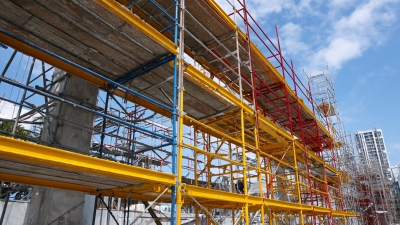
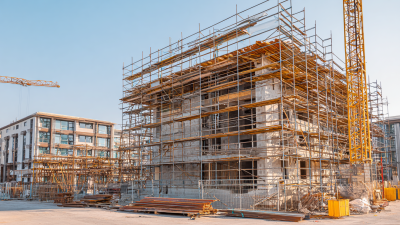
The most commonly used type is the frame scaffold, which consists of a modular system of vertical and horizontal frames. This type is ideal for general construction work, providing a stable platform for workers while allowing easy access to various building heights. In contrast, tube and clamp scaffolding offers a more versatile solution. It can be customized to fit various structures and is particularly useful for complex designs. This scaffolding type is popular in maintenance and renovation projects where adaptability is crucial.
Another important type is the suspended scaffold, often employed for tasks on high-rise buildings or facades. This scaffold hangs from the roof or upper levels, allowing workers to safely reach areas that are difficult to access otherwise. Finally, the mobile scaffold is designed for versatility and ease of movement, making it suitable for smaller tasks or areas that require frequent repositioning during the project. Each type of scaffolding plays a vital role in promoting safety and efficiency throughout the construction process.
Key Benefits of Using Scaffolding for Safety and Efficiency in Construction
When it comes to construction projects, scaffolding plays a crucial role in enhancing both safety and efficiency. According to a report by the Occupational Safety and Health Administration (OSHA), falls are the leading cause of death in the construction industry, accounting for nearly 40% of fatalities. Properly erected scaffolding significantly mitigates this risk by providing stable platforms for workers, improving their access to elevated areas without compromising their safety. Additionally, a study from the National Institute for Occupational Safety and Health (NIOSH) reported that the use of scaffolding can achieve up to a 25% increase in work efficiency, as it allows for simultaneous access to various work zones.
For those overseeing construction projects, it is essential to remember that selecting the right type of scaffolding is crucial. Consider factors such as the height of the project, the weight of materials being used, and the specific tasks workers will be performing. Regular inspection of scaffolding components is also critical to ensure all parts are functioning correctly and are structurally sound.
Tip: Always provide adequate training for workers who will be using scaffolding. This not only helps in compliance with regulations but also reduces the likelihood of accidents, thereby contributing to a safer work environment. Additionally, maintain clear communication among all team members regarding scaffolding usage to enhance overall project efficiency.
Why Construction Scaffolding is Essential for Safe and Efficient Building Projects - Key Benefits of Using Scaffolding for Safety and Efficiency in Construction
| Benefit |
Description |
Impact on Safety |
Impact on Efficiency |
| Increased Worker Safety |
Provides a stable and secure platform for workers at height. |
Reduces the risk of falls and accidents. |
Minimizes downtime from accidents. |
| Enhanced Access |
Allows easy access to all areas of the building site. |
Enables comprehensive inspections and maintenance. |
Streamlines workflows and speeds up project completion. |
| Flexible Design |
Can be customized to fit various construction needs. |
Provides tailored safety solutions for each project. |
Improves project management and resource allocation. |
| Material Efficiency |
Reduces waste by ensuring materials are accessible. |
Minimizes material spillage and loss. |
Increases productivity by facilitating quicker material handling. |
| Time-Saving |
Allows for simultaneous tasks to be performed at height. |
Promotes safety with well-structured work zones. |
Reduces project completion time significantly. |
Regulatory Standards and Safety Guidelines for Scaffold Use in Construction
In the realm of construction, scaffolding serves as a critical component that adheres to strict regulatory standards and safety guidelines. Notably, the Occupational Safety and Health Administration (OSHA) stipulates that scaffolds must be able to support four times the maximum intended load to ensure safety on site. According to a report by the National Institute for Occupational Safety and Health (NIOSH), scaffolding-related accidents accounted for approximately 4,500 injuries and 50 fatalities annually. This underscores the imperative necessity for compliance with established safety protocols to protect workers and minimize liability during construction projects.
Tips for scaffold safety include conducting thorough inspections before use, ensuring all components are in good condition, and maintaining proper assembly procedures dictated by the manufacturer. Additionally, training workers on safe scaffold practices can substantially reduce risk; a recent study indicated that sites with trained personnel saw a 30% decrease in scaffold-related incidents. Further, it’s essential to implement guidelines for appropriate load capacity and to always install guardrails to prevent falls, which are among the most common causes of injuries in construction environments. Emphasizing these standards not only fosters a safer work atmosphere but also promotes efficiency in project completion.
Innovations in Scaffolding Design for Enhanced Building Project Performance
Innovations in scaffolding design have significantly transformed the landscape of construction projects, enhancing both safety and efficiency. Modern scaffolding systems now incorporate advanced materials and technologies that not only provide increased strength and stability but also reduce setup times. For instance, aluminum scaffolding is now favored for its lightweight properties, making it easier to transport and assemble while offering robust support. Additionally, modular scaffolding systems allow for quick adaptation to different building configurations, ensuring that workers can focus more on their tasks rather than the assembly itself.
Furthermore, the integration of smart technology has ushered in a new era of scaffolding design. Features such as load sensors and real-time monitoring systems can alert construction teams to potential safety hazards, minimizing the risk of accidents on-site. This proactive approach to safety not only protects workers but also enhances overall project performance by reducing downtime and delays. As the industry continues to evolve, these innovations in scaffolding design will undoubtedly play a pivotal role in shaping safe and efficient building practices.
Scaffolding Safety and Efficiency Metrics
Common Challenges in Scaffolding Setup and Solutions for Improvement
Setting up scaffolding for construction projects, while crucial for safety and efficiency, comes with its own set of challenges.
According to a report by the Occupational Safety and Health Administration (OSHA), inadequate scaffolding led to
50 fatal accidents and thousands of injuries in the past year alone.
The primary challenges include improper assembly, lack of training, and failing to
adhere to safety regulations. To tackle these issues, it's essential to implement comprehensive training programs that cover the
specifics of scaffolding setups, ensuring that workers are well-versed in safety protocols and best practices.
Tips: Always conduct a thorough inspection
of scaffolding materials before setup. This includes checking for damage or wear that could compromise structural integrity.
Additionally, ensure that only trained personnel are tasked with assembling and disassembling scaffolds.
Another common challenge is the maintenance of scaffolding during a project. Weather conditions, wear and tear, and
changing site requirements can compromise scaffold safety. A proactive approach includes regular site assessments
and the establishment of a clear maintenance schedule. According to the National Institute for Occupational Safety and
Health (NIOSH), projects that employed such measures saw a 30% reduction
in incidents related to scaffolding.
Tips: Implement a checklist for daily inspections and document
any issues or repairs needed. This promotes accountability and ensures any potential hazards are addressed promptly.

 +86 18531742341