How to Choose the Right Steel Scaffolding for Your Construction Project?
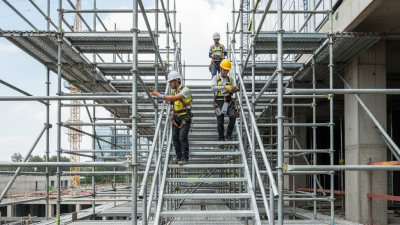
Choosing the right steel scaffolding for a construction project can be daunting. Renowned industry expert John Smith emphasizes, "Quality scaffolding is the backbone of a safe construction site." This quote underscores the critical role of steel scaffolding in ensuring safety and efficiency.
Steel scaffolding comes in various designs and strengths. Selecting the right type for your project demands careful consideration. Factors like load-bearing capacity, environmental conditions, and project duration can significantly influence your choice. For example, using lightweight scaffolding for heavy-duty tasks may pose serious risks.
It's also essential to recognize the importance of regulation compliance. Many construction professionals overlook how local regulations can dictate scaffolding requirements. Moreover, choosing poorly can lead to safety incidents. Reflecting on every decision ensures a successful construction outcome. Understanding the complexities of steel scaffolding will pave the way for safe and effective building practices.
Understanding Steel Scaffolding Types and Their Applications
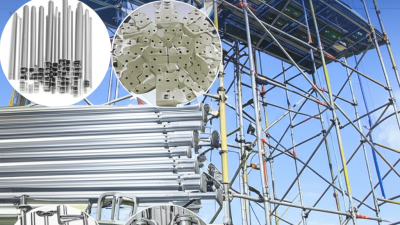
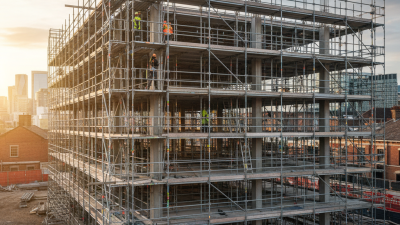
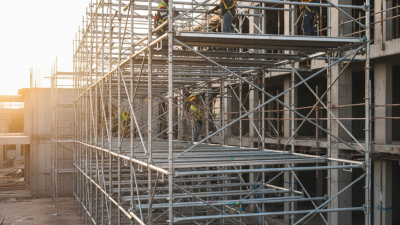
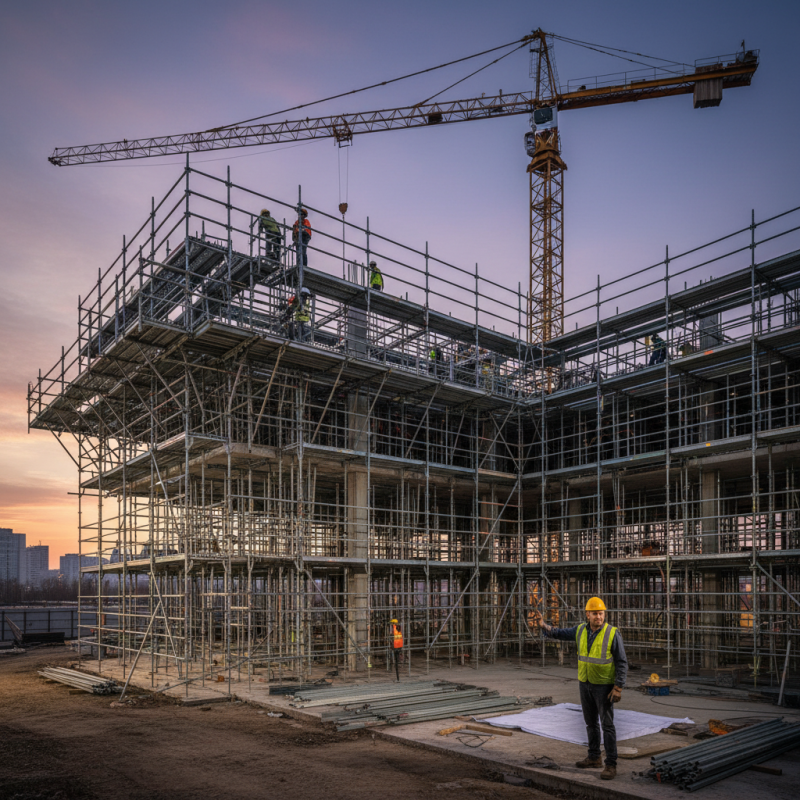
When selecting steel scaffolding, understanding its types and applications is crucial. Several options exist, including tubular scaffolding, mobile scaffolding, and system scaffolding. Each type has specific strengths suited to different project needs. For instance, tubular scaffolding is known for its versatility and robustness, making it a popular choice for large-scale construction sites. On the other hand, mobile scaffolding offers flexibility, allowing workers to move easily from one area to another.
Tips: Always consider the height of your project. The taller the structure, the stronger the scaffolding needs to be. Check load capacity too. Overloading scaffolding can lead to serious accidents.
System scaffolding, while more complex, offers quick assembly and disassembly. It is advantageous for projects with tight timelines. However, its initial cost can be higher. Be mindful of your budget and project scope when deciding. Regular inspections are necessary to ensure safety and reliability. Adjustments may be needed as the project progresses.
Tips: Make safety your priority. Use safety nets and guardrails. Train your team on proper scaffolding use. It makes a difference.
How to Choose the Right Steel Scaffolding for Your Construction Project?
| Scaffolding Type |
Description |
Applications |
Load Capacity |
| Permanent Scaffolding |
Fixed scaffolding structures used for long-term construction projects. |
Large buildings, bridges, and other infrastructure projects. |
Up to 4000 lbs. |
| Mobile Scaffolding |
Portable scaffolding that can be easily moved for different tasks. |
Painting, maintenance work, and small construction tasks. |
Up to 1500 lbs. |
| System Scaffolding |
Modular scaffolding systems that can be customized for different projects. |
Complex structures, industrial projects, and events. |
Up to 6000 lbs. |
| Cantilever Scaffolding |
Scaffolding that extends out from a building where it is supported at only one end. |
Overhangs, narrow spaces, and renovation projects. |
Up to 2000 lbs. |
| Birdcage Scaffolding |
Vertical scaffold structures that resemble a birdcage, used for providing access to interior work. |
Interior building works, atriums, and maintenance. |
Up to 3000 lbs. |
Evaluating Load Capacity Requirements for Your Project
When selecting steel scaffolding, understanding load capacity is crucial. Construction sites often face varying weight demands. Each project has its unique requirements, and failing to account for these can lead to safety hazards. A recent report by the Occupational Safety and Health Administration (OSHA) emphasizes that approximately 65% of scaffold-related accidents arise from overloading. This statistic underscores the importance of assessing weight limits.
Evaluating load capacity begins with calculating the total weight of materials, equipment, and personnel on the scaffold. According to industry standards, most steel scaffolding can support loads ranging from 2,500 to 4,000 pounds per platform. However, specific conditions may require adjustments. For instance, weather impacts like rain or snow can add unnecessary weight. That’s why flexibility in planning is essential.
Complications can arise if scaffold systems are not adequately inspected before use. The American National Standards Institute (ANSI) recommends thorough checks on all components. This includes frames, platforms, and fasteners. A detailed report highlights that improper assembly leads to 30% of scaffold collapses. Therefore, investing time in load calculations and regular maintenance can significantly reduce risks.
Load Capacity Requirements for Steel Scaffolding
Selecting Quality Materials and Manufacturers for Safety Assurance
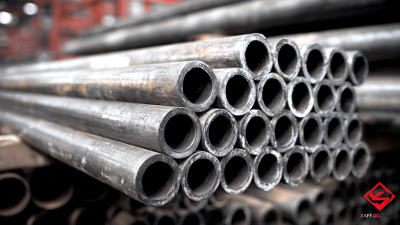
When selecting scaffolding for construction, quality matters immensely. High-quality steel ensures strength and stability, reducing the risk of accidents. Look for scaffolding that meets industry safety standards. Testing for weight capacity is crucial; it should support not just tools but also workers. Opting for reputable manufacturers can ensure consistent quality.
Certifications are vital. Verify the manufacturer’s claims about material quality and safety. Some scaffolding might look sturdy but fail under pressure. Always ask for documentation that proves compliance with safety standards. This adds an extra layer of protection for your team.
Inspect the scaffolding regularly, even after purchase. Dents or scratches may weaken the structure, leading to unsafe conditions. Encourage your team to report any issues promptly. Remember, even a slight oversight can lead to severe consequences on-site.
Prioritize safety by investing in reliable scaffolding and conducting thorough checks. Each decision impacts the overall safety and efficiency of your project.
Budgeting for Steel Scaffolding: Costs and Considerations
When budgeting for steel scaffolding, several factors come into play. The cost of scaffolding can significantly impact your overall project budget. Basic elements include material costs, labor, and equipment rental fees. A thorough analysis of these aspects is crucial.
Determining the right type of scaffolding is vital for your construction needs. Different projects require different setups. For example, larger buildings may need more robust scaffolding solutions. Yet, choosing overly complex systems can lead to unnecessary expenses. It's essential to evaluate your project requirements and adjust the plan accordingly.
Consider unexpected costs as well. A contingency budget is recommended for unforeseen challenges. Delays or accidents impacting your scaffolding can require sudden additional funds. Being prepared for these scenarios can save you stress and financial strain later. Flexibility in your budget allows for adjustments and improved decision-making throughout the project.

 +86 18531742341