How to Choose the Right Ringlock Scaffolding System for Your Project?
Choosing the right Ringlock Scaffolding System for your project is crucial. Scaffolding plays a vital role in construction safety and efficiency. With various options available, making the right choice can feel overwhelming.
The Ringlock Scaffolding System stands out due to its flexibility and strength. It allows for rapid assembly and disassembly, saving time on site. However, not every project requires this advanced system. You must assess your specific needs carefully. Factors such as site conditions, load requirements, and height can influence the decision.
Think about the workers' safety. An inappropriate choice can lead to accidents. Every detail counts in scaffolding. The Ringlock System may seem ideal but can be overkill for smaller jobs. Reflect on your project size and scope. Understanding these elements will lead you to the most suitable Ringlock Scaffolding System for your needs.
Understanding Ringlock Scaffolding: Key Features and Benefits
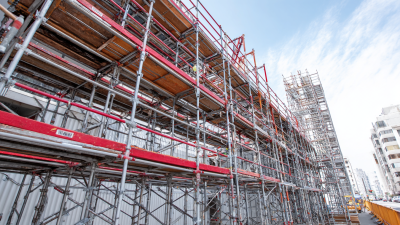
Ringlock scaffolding is gaining popularity due to its unique design and versatility. This system offers a range of key features that set it apart. One significant benefit is its speed of assembly. According to industry reports, projects that utilize ringlock systems can see assembly times reduced by up to 30%. This efficiency can lead to cost savings and faster project completions.
Another advantage of ringlock scaffolding is its structural stability. The design provides excellent weight distribution, capable of supporting heavy loads. Research indicates that it can hold loads exceeding 300 kg per bay, crucial for ensuring worker safety. However, users must understand that improper assembly can compromise this stability.
Tip: Always double-check connections during setup. A sturdy framework is vital.
Flexibility is another hallmark of the ringlock system. It can be adapted to various project needs, whether for residential buildings or large industrial structures. However, choosing the right configuration remains challenging for some. Assessing the specific project requirements is necessary.
Tip: Consult an expert if uncertain about your setup.
Incorporating ringlock scaffolding aims to enhance safety and efficiency. Yet, it requires proper handling and understanding of its limitations. Continuous learning about the system's capabilities can prevent common pitfalls associated with its use.
Evaluating Load Capacity: Ensuring Structural Safety and Compliance
When selecting a ringlock scaffolding system, understanding load capacity is crucial. Each project has unique requirements. A comprehensive evaluation can help ensure both structural safety and compliance. Determine the maximum loads your scaffolding will experience. Factors like the weight of materials and workforce need consideration. Playground equipment, for instance, can introduce varying loads.
Tips: Always consult load capacity charts. Cross-referencing these with project specifics helps prevent errors.
Inspecting the components is equally important. Check for any visible signs of wear or damage. Even minor flaws can compromise safety. Regular maintenance is key but is often overlooked. Ensure your team understands the purpose of inspections. It’s an investment in safety.
In addition, be aware of local regulations. They can dictate required safety factors for different structures. Sometimes, requirements exceed standard expectations. Understanding these can save time and costs later in the project. Scaffolding, while essential, carries risk. Every project requires vigilance.
Assessing Project Requirements: Height, Space, and Access Considerations
When selecting a ringlock scaffolding system, assessing project requirements is crucial. Consider the height of your project. Higher structures need more support and stability. Check the manufacturer's specifications for load capabilities. An inadequate system might result in accidents or frame failure.
Space is another important factor. Measure the working area carefully. A cramped site can limit access and increase dangers. You may need a more compact design. This way, workers have enough room to move safely. Ensure there's enough space for tools and materials, too.
Tips: Always examine site access points. Can equipment fit through? What about lifting materials? If access is limited, think about alternatives. Evaluate possible obstacles like overhead wires. They can affect both safety and efficiency. Adjust your scaffolding design accordingly. Each detail matters in keeping the project on track and safe.
Material Selection: Choosing Between Steel and Aluminum Ringlock Systems
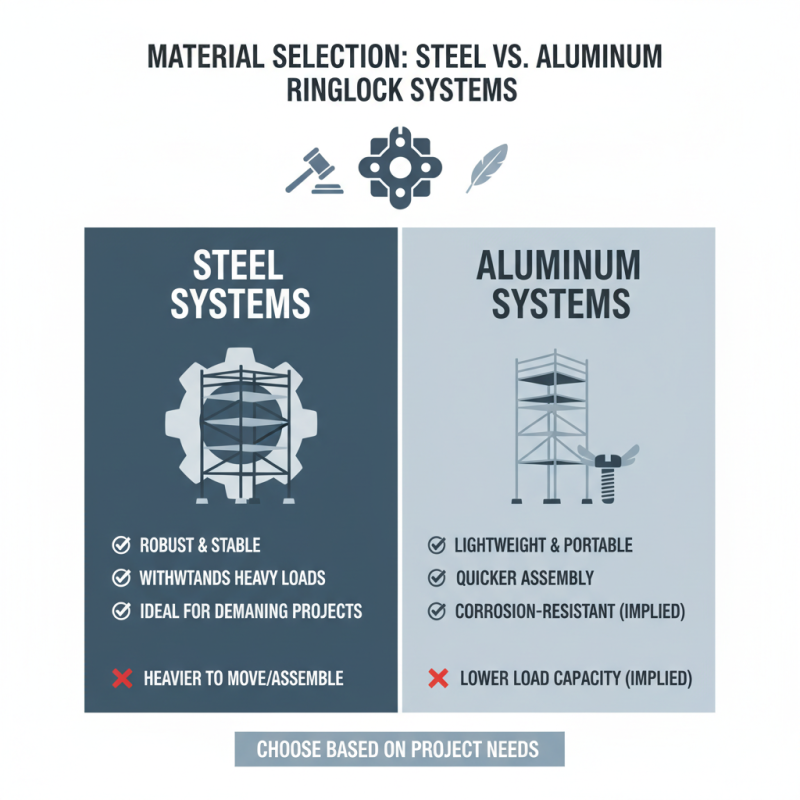
When selecting a ringlock scaffolding system, material choice is crucial. Steel and aluminum are the primary options, each with unique benefits. Steel scaffolding is robust and offers excellent stability. It can withstand heavy loads, making it ideal for demanding projects. However, its weight can be a downside. Moving and assembling steel systems require more effort.
On the other hand, aluminum scaffolding is lightweight and easier to handle. This can lead to faster assembly and disassembly, which is a significant advantage on tight schedules. However, aluminum might not bear as much weight as steel. Consider the project’s demands carefully. If your project involves heavy materials, steel could be the better choice.
Reflect on your team’s experience, too. If they are more familiar with one material, it may affect efficiency and safety. Both materials have their flaws and strengths. Making the right choice requires assessing project needs and team capabilities. There’s no one-size-fits-all solution; the answer may not be straightforward.
Cost Analysis: Budgeting for Quality and Longevity in Scaffolding Solutions
When budgeting for a ringlock scaffolding system, quality and longevity are crucial. A low initial cost can lead to hidden expenses. Cheaper materials may seem attractive but could compromise safety. Regular repairs add up over time. Investing upfront in durable scaffolding can save money long-term.
Consider the project’s specific needs. How tall will the structure be? What weight will the scaffolding support? These factors influence costs significantly. A well-designed system may have a higher price tag but ensure stability and security. Don’t overlook the value of proper training for workers. It's an added expense but reduces the risk of accidents and damages.
Remember, cutting corners can lead to failures. Reflect on past projects. Did saving money on scaffolding lead to issues? Often, it’s better to invest in quality. Think of the peace of mind it brings. Ultimately, a thorough analysis of costs versus long-term benefits can guide your decision.
How to Choose the Right Ringlock Scaffolding System for Your Project? - Cost Analysis: Budgeting for Quality and Longevity in Scaffolding Solutions
| Dimension |
Description |
Estimated Cost ($) |
Expected Longevity (Years) |
Maintenance Cost/year ($) |
| Standard Ringlock |
Basic scaffolding solution for low to medium loads. |
2500 |
10 |
250 |
| Heavy-Duty Ringlock |
Designed for high load requirements in commercial projects. |
4000 |
15 |
300 |
| Lightweight Ringlock |
Ideal for indoor projects with minimal height requirements. |
2000 |
8 |
200 |
| Modular Ringlock |
Flexible system that can be easily adapted to complex designs. |
5000 |
12 |
350 |
| Custom Ringlock |
Personalized design for unique project specifications. |
7000 |
20 |
400 |

 +86 18531742341