How to Choose Scaffolding Components for Your Project?
Choosing the right scaffolding components for your project can be challenging. As Mark Johnson, an industry expert with over 20 years of experience, says, "Selecting the right scaffolding components is crucial for safety and efficiency." This statement emphasizes the importance of making informed decisions when it comes to scaffolding.
There are various types of scaffolding components to consider. These include standards, ledgers, and transoms, each playing a vital role in the structure's stability. Understanding the purpose of each component can lead to better project outcomes. However, it’s easy to overlook some details or make hasty choices in component selection.
In some cases, professionals may ignore the need for quality materials, which can jeopardize safety. Choosing scaffolding components based on price alone can lead to regret down the line. Reflecting on past mistakes, experts encourage taking the time to assess all options available. This careful approach can prevent costly issues and ensure a more reliable scaffolding setup.

Understanding Different Types of Scaffolding Systems and Their Uses
When selecting scaffolding components, understanding different types of scaffolding systems is crucial. There are several systems available, each tailored for specific project needs. The most common types include frame scaffolding, modular scaffolding, and suspension scaffolding. Each type has unique features and uses that can significantly impact project efficiency.
Frame scaffolding is popular in construction due to its ease of assembly. It provides great support for painting, drywall installation, and maintenance tasks on buildings. According to the International Organization for Standardization, frame scaffolding can support loads of up to 500 pounds per square foot. It is economical but may not suffice for all projects.
Modular scaffolding is versatile and adapts to different shapes and sizes. It is ideal for complex structures, providing customization options. However, it can be more expensive and may require skilled labor for assembly. Finally, suspension scaffolding is typically used for work on high-rise buildings. It allows access to difficult-to-reach areas but can be risky if not properly secured.
Tips: Always assess the weight capacity needed for your project. Be cautious with complex systems; hiring professional help can save time and ensure safety. Remember, choosing the right scaffolding can affect both safety and efficiency. Regularly inspect components for wear and tear. Replace any damaged parts to avoid accidents.
Key Considerations for Selecting Scaffolding Materials and Durability
When selecting scaffolding materials, durability is paramount. Choose materials that can withstand harsh weather and heavy use. Steel and aluminum are popular choices. They offer strength and longevity. However, the choice depends on your project’s specific needs.
Consider the environment where scaffolding will be used. Areas with high moisture require corrosion-resistant materials. Wood may offer a temporary solution but often falls short in durability. It can swell, warp, or rot over time. Take time to evaluate the lifespan of the materials you consider.
Weight capacity is another critical aspect. Ensure that your scaffolding can handle the loads required for your project. Overloading can compromise safety. Evaluate if the components match industry standards. Doing so reflects reliability. Remember, the choices you make can impact the project’s success. Test out different materials if possible. Learn from your previous experiences. Not every choice will be perfect, and that's part of the process.
Material Durability Comparison for Scaffolding Components
Assessing Load Capacity Requirements for Scaffolding Components
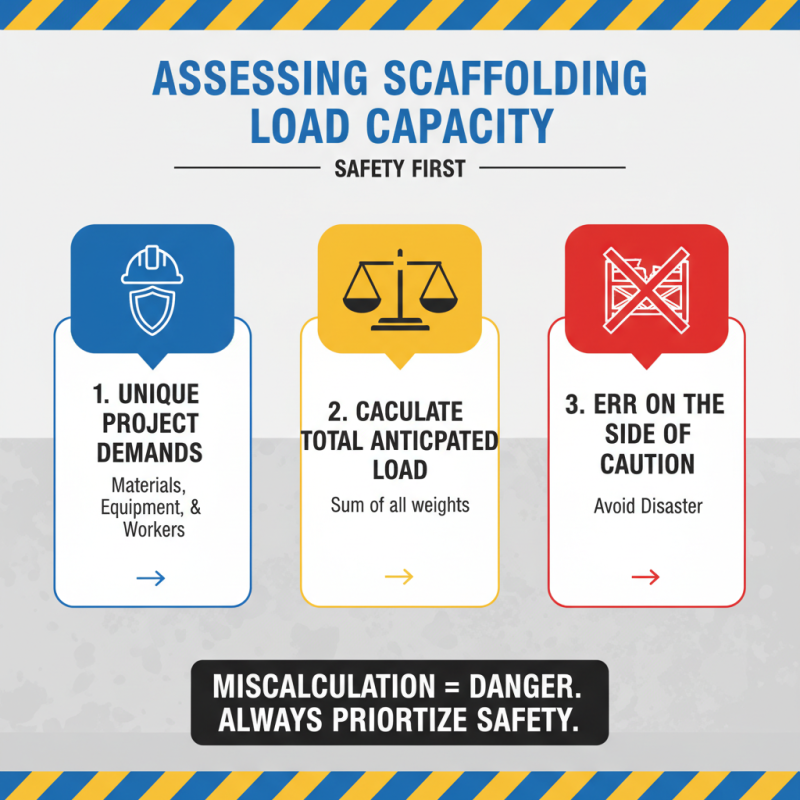
When assessing load capacity requirements for scaffolding components, safety should always come first. Each project has unique demands based on the loads expected. These include the weight of materials, equipment, and workers. You must calculate the total anticipated load to ensure safety. A miscalculation could lead to disasters, so always err on the side of caution.
Before selecting any scaffolding components, consult established guidelines. Familiarize yourself with factors like working height and the type of work performed. Different tasks require specific types of scaffolding components. For instance, heavy-duty scaffolding might be needed for construction. Conversely, lighter tasks may not need such robust components. It’s crucial to analyze your project’s specifics thoroughly.
It's also valuable to analyze local regulations. They may set minimum load requirements for scaffolding. Explore data from existing projects that closely resemble yours. Research can provide insights into which components performed best under similar conditions. Reflect on your choices and be prepared to adjust if necessary. Making informed decisions will ultimately minimize risks and enhance project efficiency.
Safety Standards and Regulations for Scaffolding in Construction Projects
In construction, scaffolding safety standards are crucial. According to the Occupational Safety and Health Administration (OSHA), falls are a leading cause of injury. Proper scaffolding reduces this risk significantly. Regulations stipulate that scaffolds must withstand four times the maximum intended load. This is critical for ensuring worker safety.
Each component should meet specific safety requirements. For instance, guardrails must be installed at least 39 inches high. Additionally, platform surfaces need to be stable and free from debris. Non-slip surfaces are also recommended to prevent slips and falls. Many accidents occur due to inadequate setups.
It’s important to regularly inspect scaffolding systems. This proactive measure helps identify any wear or damage. Workers should be trained in recognizing potential hazards. Reports indicate that training can reduce accidents by up to 29%. Compliance with established standards ensures a safer work environment for all.
How to Choose Scaffolding Components for Your Project? - Safety Standards and Regulations for Scaffolding in Construction Projects
| Component |
Material |
Load Capacity (kg) |
Height Adjustment (m) |
Safety Standards Compliance |
| Steel Frame |
Steel |
3000 |
3.6 |
ANSI/ASSE A10.8 |
| Aluminum Plank |
Aluminum |
1500 |
2.4 |
OSHA 1926.451 |
| Couplers |
Steel |
2000 |
N/A |
BS EN 74-1 |
| Base Plate |
Steel |
1000 |
N/A |
ANSI/ASSE A10.8 |
| Guardrails |
Wood/Metal |
N/A |
N/A |
OSHA 1926.502 |
Integrating Cost-Effectiveness with Quality in Scaffolding Selection
Choosing the right scaffolding components for your project requires careful consideration of both cost-effectiveness and quality. High-quality materials ensure safety and durability, but they can come at a higher initial cost. It's essential to balance your budget with the long-term benefits of investing in reliable scaffolding.
Consider the specific needs of your project. Do you require heavy-duty scaffolding for a large structure, or lighter options will suffice for smaller tasks? Assessing your project size and complexity will help in selecting the best components. A thoughtful selection may prevent future costs associated with repairs or accidents.
Tips: Always consult with experienced professionals. They can provide valuable insights tailored to your project. Also, take time to compare different component materials. Weigh the price against durability and ease of assembly.
Sometimes, cheaper options might seem tempting. However, they may lead to more significant expenses down the road. It’s worth reflecting on the long-term value rather than just the upfront cost. Aim for components that meet safety standards without breaking your budget.

 +86 18531742341