How to Choose Ringlock Scaffolding Components for Your Project?
Choosing the right Ringlock Scaffolding Components is crucial for any construction project. The proper selection directly affects safety, efficiency, and overall project success. Many factors come into play when making this decision.
Start by understanding the project’s specific needs. Assess the weights and loads the scaffolding will need to support. Not all components are suitable for every situation. Quality materials are essential. Faulty components can result in costly accidents or delays.
Consult with professionals when in doubt. They can provide valuable insights into which components will work best. Remember, even minor mistakes can have huge consequences. Take the time to choose wisely and ensure a solid foundation for your project.
Understanding Ringlock Scaffolding Components and Their Uses
Ringlock scaffolding is widely used in construction due to its versatility and strength. Understanding the components is critical to selecting the right ones for your project. Each part plays a unique role, influencing stability and safety. According to a 2022 industry report, proper selection reduces construction delays by 30%.
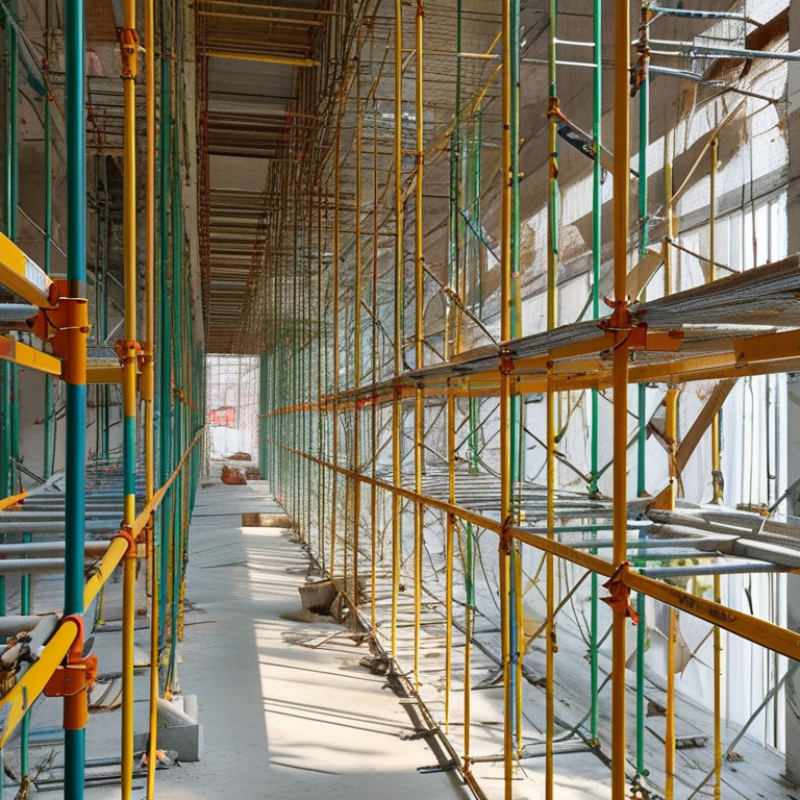
The primary components are standards, ledgers, and braces. Standards, vertical poles, provide essential support. They can bear significant loads, crucial for tall structures. Ledgers connect the standards horizontally, distributing the load evenly. The braces add diagonal strength, ensuring rigidity against lateral forces. A well-designed setup ensures higher safety and efficiency. The report indicates that projects using ringlock systems face 50% fewer structural failures compared to traditional scaffolding systems.
It’s also important to inspect the components regularly. Wear and tear can compromise safety. A 2023 analysis highlighted that neglecting maintenance leads to a 25% increase in accident rates. Keep in mind, not all components will fit every project. Scaling issues may arise. Special attention should be paid to load capacities and project specifics. Balancing cost and quality is essential. Making informed choices ensures both safety and efficiency in your construction efforts.
How to Choose Ringlock Scaffolding Components for Your Project?
| Component |
Description |
Material |
Typical Use |
| Standard |
Vertical member used to support ledgers and transoms. |
Steel or aluminum |
Commonly used for vertical support in scaffolding structures. |
| Ledger |
Horizontal member that connects standards. |
Steel |
Used to provide support for decking. |
| Transom |
Horizontal support for boards or platforms. |
Steel or aluminum |
Supports the working platform across the standards. |
| Diagonal Brace |
Provides rigidity and stability to the structure. |
Steel |
Used to prevent swaying of the scaffolding system. |
| Base Plate |
Distributes the load of the scaffold to the ground. |
Steel |
Installed at the bottom of the standards for stability. |
Key Factors to Consider When Choosing Ringlock Scaffolding
When selecting ringlock scaffolding components for a project, attention to detail is vital. Key factors include load capacity, stability, and ease of assembly. Research indicates that around 70% of scaffolding accidents result from poor component choice. Ensure that chosen components meet industry standards, such as those set by OSHA or your local regulations.
One crucial factor to consider is load rating. Each component has a specific load limit, often detailed in technical data sheets. A miscalculation can lead to failure. Opting for components with higher load capacities provides a safety buffer. This is especially important in high-rise construction or heavy-duty applications.
**Tip:** Always cross-check the weight of materials being supported against the load rating of the scaffolding.
Stability is another key aspect. Scaffolding systems must be level and secured. Using outriggers or braces can greatly enhance stability. Consider the surface where scaffolding will be erected. Uneven or soft ground can compromise safety.
**Tip:** Evaluate site conditions thoroughly before setting up.
Ease of assembly is also important for operational efficiency. Use intuitive components that minimize assembly time and mistakes. Training of workers on assembly processes can reduce errors. Ultimately, making informed decisions lowers risks associated with scaffolding projects.
Key Factors to Consider When Choosing Ringlock Scaffolding Components
Types of Ringlock Scaffolding Components and Their Functions
Choosing the right components for ringlock scaffolding is crucial for safety and efficiency. The main types include standards, ledgers, and braces. Standards are vertical components that provide the primary support. Ledgers connect the standards horizontally. Each piece plays a specific role in ensuring stability.
Braces are essential for lateral support. They keep the structure sturdy, especially during windy conditions. Using the wrong type may lead to safety risks. It’s vital to select components based on project needs. Consider the load-bearing requirements carefully.
Another aspect is the quality of the materials. Opt for durable options that can withstand the construction environment. Regular maintenance and inspection can help identify weak spots. Sometimes, overlooked components can become problematic. Regular checking increases project reliability.
Safety Standards and Regulations for Ringlock Scaffolding
When it comes to ringlock scaffolding, safety standards and regulations are crucial.
Scaffolding systems must meet local regulations. These guidelines ensure that workers are protected.
Compliance with safety standards prevents accidents and injuries on job sites.
Inspecting scaffolding components is vital. Each piece, from rings to ledgers, should be thoroughly checked before use. Look for any signs of wear or damage.
Regular maintenance should not be overlooked.
Neglecting these checks can lead to serious failures. Workers must be trained on proper assembly and disassembly techniques. Knowledge of safety protocols is essential.
Staying updated with industry regulations is necessary. Standards can change based on recent studies or incidents. Engaging in
safety training sessions can enhance awareness. Workers should feel empowered to report unsafe practices.
A culture of safety not only protects lives but also improves project efficiency. Regular evaluations of safety measures can identify areas for improvement.
Tips for Proper Assembly and Maintenance of Ringlock Scaffolding Components
Proper assembly and maintenance of Ringlock scaffolding components are crucial for safety and efficiency. Begin by carefully assessing the site conditions. This includes ground stability, overhead obstructions, and proximity to buildings. Failure to consider these factors can lead to accidents.
During assembly, follow manufacturer guidelines closely. Use only compatible components to ensure a stable structure. Regularly check connections and locking mechanisms for wear or damage. Over time, components may loosen, posing a risk. Use tools like wrenches to tighten elements as needed.
Maintenance shouldn’t be overlooked. Inspect scaffolding at least once a week. Look for signs of rust or corrosion. Rain and moisture can degrade materials quickly. If issues are found, take immediate action. Replace damaged parts rather than attempting quick fixes. This attention to detail is vital for long-term safety and reliability.

 +86 18531742341