How to Choose the Best Scaffolding Ladder for Your Needs?
When selecting a scaffolding ladder, understanding your specific needs is crucial. Renowned industry expert John Thompson emphasizes, "A scaffolding ladder should adapt to your project requirements." This advice highlights the importance of choosing the right equipment to enhance safety and efficiency.
Consider the working environment. Is it indoors or outdoors? What is the height required? These questions help narrow down the options. Scaffolding ladders come in various styles and materials. Each type offers distinct advantages. For example, aluminum ladders are lightweight and easy to maneuver, while wooden ones provide stability.
Reflecting on past projects can offer insights. Did previous ladders meet your needs? Were there any safety concerns? Learning from experience can guide your decision. Ultimately, the best scaffolding ladder will not only match your task but also fit comfortably within your budget and safety standards.
Understanding the Different Types of Scaffolding Ladders Available
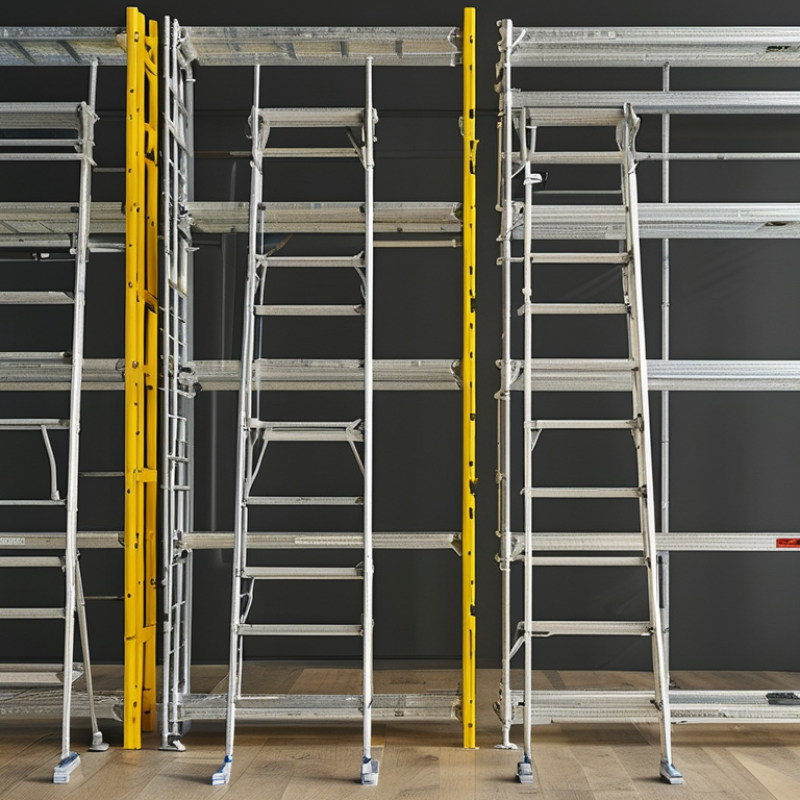
When selecting a scaffolding ladder, understanding the different types is vital. Common types include extension ladders, folding ladders, and multi-use ladders. Extension ladders can reach significant heights, making them suitable for tall buildings. According to industry reports, nearly 60% of construction accidents occur due to ladder misuse. Therefore, knowing the appropriate ladder type reduces safety risks.
Folding ladders are compact and easy to store. They are versatile, adapting to various jobs and spaces. Additionally, multi-use ladders combine the functions of both extension and folding ladders. They can be reconfigured to meet different needs, which is an appealing trait. However, users must be cautious. These ladders may compromise stability if not adjusted properly.
Construction professionals recommend evaluating weight capacity and material strength. Most ladders can hold anywhere from 250 to 300 pounds. It's crucial to match the ladder with user size and job demands. Always check for certifications. The American National Standards Institute (ANSI) sets guidelines ensuring ladders meet safety standards. Regular inspections add a layer of reliability to your equipment choice.
Assessing Your Specific Height and Weight Requirements
When selecting a scaffolding ladder, understanding your specific height and weight requirements is crucial. Start by measuring how high you need to reach. Consider the maximum elevation you will work at. Make sure the ladder extends well above this point for safety.
Next, evaluate your weight capacity. Most ladders have a rated maximum load, which includes your weight and any tools or materials. It's vital to choose a ladder that exceeds this weight limit. If you weigh 180 pounds, a ladder rated for at least 300 pounds is advisable. The extra margin ensures stability.
Tips: Always check the ladder's specifications before purchasing. Look for material quality and design stability. A well-structured ladder prevents accidents.
Another aspect to consider is the ladder's base width. A wider base provides more balance. Narrow bases can increase the risk of tipping, especially when working at heights. Also, think about how often you'll transport the ladder. Heavier models may not be suitable for frequent relocation.
Lastly, remember that a perfect choice does not exist. Each option has pros and cons. Reflect on your unique needs and be honest about your comfort level when using a ladder.
Evaluating Material Durability and Stability Features
When choosing a scaffolding ladder, durability and stability are key considerations. Materials like aluminum and fiberglass have distinct advantages. Aluminum is lightweight and resistant to rust, making it suitable for outdoor use. Fiberglass, while heavier, offers excellent electrical insulation. This can be crucial for jobs involving power lines.
Stability features are just as important. Look for ladders with wide bases and slip-resistant rungs. A ladder should feel secure underfoot. Always check for locking mechanisms to prevent accidental movement. These features greatly enhance user confidence while working at heights.
Tips: Regularly inspect your ladder for wear and tear. Look for any signs of damage in the rungs and locks. If it feels unstable, rethink your choice. Trying different types might lead to better comfort and safety. Don't rush your decision; the right ladder can make all the difference.
Considering Portability and Ease of Storage Options
When selecting a scaffolding ladder, portability plays a critical role. A lightweight ladder is easier to transport and set up. Look for models that fold or collapse. This feature makes storage simpler, particularly in small spaces. Heavier ladders can become cumbersome. They may hinder your ability to move quickly on the job site.
Consider the method of storage as well. A ladder that fits easily in a vehicle or garage is ideal. Some have built-in hooks for easy hanging. Others come with bags designed for carrying. These options enhance usability. You can easily transport the ladder from one location to another.
While portability is essential, never compromise on safety. A portable ladder should maintain stability and strength. Rely on manufacturer specifications to guide your choice. Sometimes, the most portable option sacrifices sturdiness. Take time to reflect on the best balance between convenience and reliability. This balance is vital for your work safety and efficiency.
Reviewing Safety Standards and Compliance Regulations
When choosing a scaffolding ladder, safety should be your top priority. Understanding safety standards and compliance regulations is crucial. Each ladder must meet specific construction and load requirements. These standards ensure that the ladder can safely support the intended weight while minimizing risks of falls and accidents. Compliance with regulations helps protect both the user and the worksite.
Many users overlook inspection practices. Regular checks for wear and tear are essential. Ladders should be examined for any signs of damage. If any irregularities are found, the ladder should be replaced or repaired. Understanding how to properly use a ladder also reduces accidents. Many workers fail to follow basic guidelines, such as maintaining three points of contact.
Training is another vital aspect. Workers should receive proper instruction on ladder safety and usage. Informal training often leads to misunderstandings. It’s important that the team comprehends the weight limits and stability requirements of the chosen ladder. This knowledge can prevent injuries and ensure compliance with safety standards. Consider these factors when selecting your next scaffolding ladder.
Safety Standards Compliance for Scaffolding Ladders

 +86 18531742341