How to Choose the Best Scaffold Plank for Your Project?
Choosing the right scaffold plank can make all the difference in a construction project. John Smith, a recognized expert in scaffolding, once said, “The strength and durability of scaffold planks are paramount for safety.” This statement highlights the importance of selecting high-quality materials.
Scaffold planks come in various types and materials, each with its unique characteristics. Understanding these differences is critical. For instance, wood and metal planks offer distinct benefits but also pose different challenges. Wood planks may require regular inspections for wear and tear, while metal options can be heavier and pricier.
Always consider the specific needs of your project. Are you working on a large commercial site or a small residential project? The answer will inform your choice. It's essential to reflect on safety regulations as well. Failure to choose the right scaffold plank can lead to accidents and increased costs. Prioritize quality and performance to ensure a successful outcome.
Understanding Scaffold Plank Types and Materials
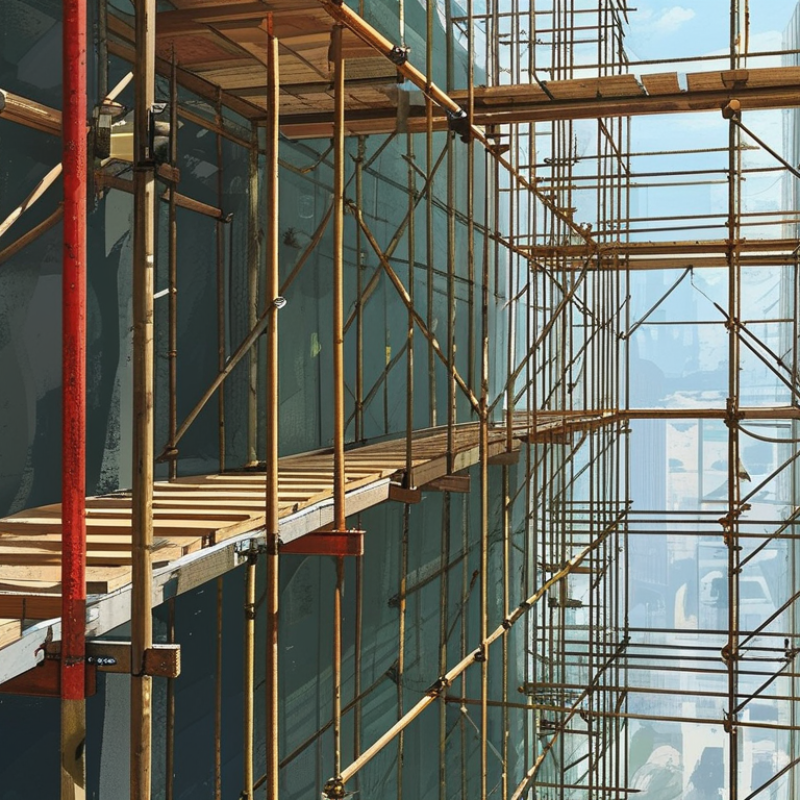
When selecting scaffolding planks, understanding the types and materials is crucial for safety and efficiency. Generally, there are three main types of scaffold planks: wood, aluminum, and composite. Each type comes with its own set of advantages and disadvantages. For instance, wooden planks are often cost-effective and widely available, but they can splinter or warp over time, affecting their reliability.
Aluminum planks, on the other hand, are lightweight and resistant to corrosion. However, they may not provide the same load-bearing capacity as wood. Data from the Scaffold Industry Association suggests that using planks with a high weight-to-strength ratio is essential. Composite planks boast durability and often have a longer lifespan but can be more expensive. Their cost and longevity should align with your project's budget and timeline.
Tip: Always inspect your scaffolding planks before use. Any signs of damage can compromise safety. Additionally, consider your project’s specific demands when choosing materials. A thorough understanding of all options will lead to better decisions and potentially lower costs. Make sure to consult updated industry reports for the latest safety standards and recommendations.
Assessing Load Capacity and Safety Standards
When selecting scaffold planks, assessing load capacity is essential. Most standard planks can support about 1,500 pounds per 10-foot section. However, the actual weight limit can vary based on materials used, the plank's thickness, and its design. For example, wood planks should meet the grade requirements set by the American National Standards Institute (ANSI).
Consider the safety standards that apply to your project. The Occupational Safety and Health Administration (OSHA) sets guidelines for scaffold equipment. Make sure your planks comply with their requirements. Using planks that do not meet safety standards can lead to serious accidents and financial liability. Many construction accidents are due to insufficient safety measures.
Tips: Always inspect planks for defects before use. Look for cracks or warping, as they can compromise stability. Invest in lightweight aluminum options for easy handling. Analyze project needs to determine appropriate specifications. Regular re-evaluation of your equipment is crucial.
Evaluating Durability and Weather Resistance
When choosing a scaffold plank, evaluating durability and weather resistance is essential. Different materials react differently to environmental conditions.
Wood, for instance, may warp or rot when exposed to moisture over time. Conversely, metal planks can rust without proper coating, affecting their longevity and safety. It's crucial to consider the climate of your worksite.
Tips: Always inspect planks for signs of wear. If you notice soft spots on wooden planks, they may be compromised. Metal planks should be checked for surface rust, especially in humid areas.
In addition to materials, construction practices matter. Proper storage can extend the lifespan of scaffold planks. Covering them when not in use helps prevent deterioration. However, this can be overlooked during busy periods. Each project may bring its own challenges, so remain vigilant. Being aware of the potential for damage helps maintain a safe working environment.
Comparing Cost and Budget Considerations
When choosing scaffold planks, cost is a crucial factor. The construction industry reports that prices can vary dramatically depending on the material. For instance, wooden planks may cost around $20 per plank, while aluminum options can reach up to $50 each. These price differences can significantly affect your overall budget.
Budgeting for your project should include not just the cost of the planks but also maintenance. Over time, wooden planks may require regular inspections and repairs, adding to your costs. In contrast, aluminum planks, while pricier upfront, often last longer and require less maintenance. This durability can lead to savings in the long run. According to a recent industry study, investing in aluminum can reduce long-term expenses by up to 30%.
Tips: Always account for potential damage to your planks on-site. Unexpected weather conditions can warp wood. Consider bulk purchasing to save on costs. Many suppliers offer discounts for larger orders, which can help manage your budget effectively. Calculate projected usage carefully to avoid over-ordering. This mindful approach ensures that you stay within your financial limits while providing safe support for your project.
Selecting the Right Plank for Different Project Needs
Choosing the right scaffold plank is crucial for any construction project. Different projects call for varying requirements. Understanding these needs is essential for ensuring safety and efficiency. For instance, a heavy-duty scaffold plank is necessary for larger projects, while lighter materials may suffice for smaller tasks.
When selecting the right plank, consider its load capacity. According to industry reports, a standard plank can support around 75 pounds per foot, but this varies based on material type. Wood planks tend to be less durable under heavy loading compared to metal or fiberglass. This could lead to unsafe working conditions. Always check the manufacturer specifications before deciding.
Tips: Evaluate environmental factors too. Wet conditions can affect wood, causing it to weaken over time. If working near chemicals, fiberglass may be a better choice. Keep accessibility in mind as well. Planks that are too heavy may hinder efficiency and lead to injuries.
Overall, the right selection cannot be overlooked. Assess your project’s specific demands. An informed choice on scaffold planks will contribute significantly to safety and productivity on site.

 +86 18531742341