How to Choose the Best Ringlock Scaffolding Accessories?
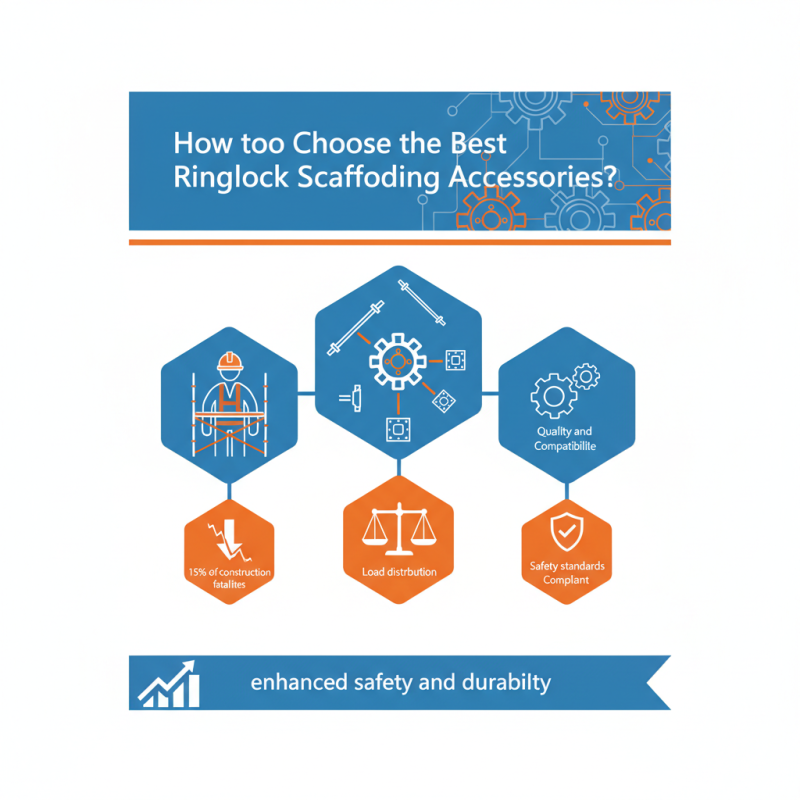
Choosing the right Ringlock Scaffolding Accessories is crucial for construction safety and efficiency. In recent industry reports, scaffolding accidents account for about 15% of all construction fatalities. This highlights the need for reliable accessories.
Ringlock systems are known for their versatility and strength. These accessories include braces, spigots, and base plates, each serving a specific purpose in enhancing stability. Proper selection directly impacts load distribution and worker safety. However, many professionals overlook the significance of quality and compatibility.
The market offers numerous options, yet not all are compliant with safety standards. Some accessories may seem affordable but may compromise structural integrity. Investing in quality Ringlock Scaffolding Accessories is essential. Reflecting on past projects, it's clear that insufficient attention can lead to serious consequences. Ensure that your choices enhance safety and durability on site.
Understanding Ringlock Scaffolding Components and Their Functions
When choosing ringlock scaffolding accessories, understanding their components is crucial. The ringlock system includes key elements like
vertical standards,
horizontal ledgers, and
diagonal braces. Each part plays an essential role in maintaining stability and safety.
Vertical standards support the structure's height, while ledgers connect them horizontally, creating a base. Diagonal braces are critical for providing additional strength.
Without these components working together, the entire structure can become unstable.
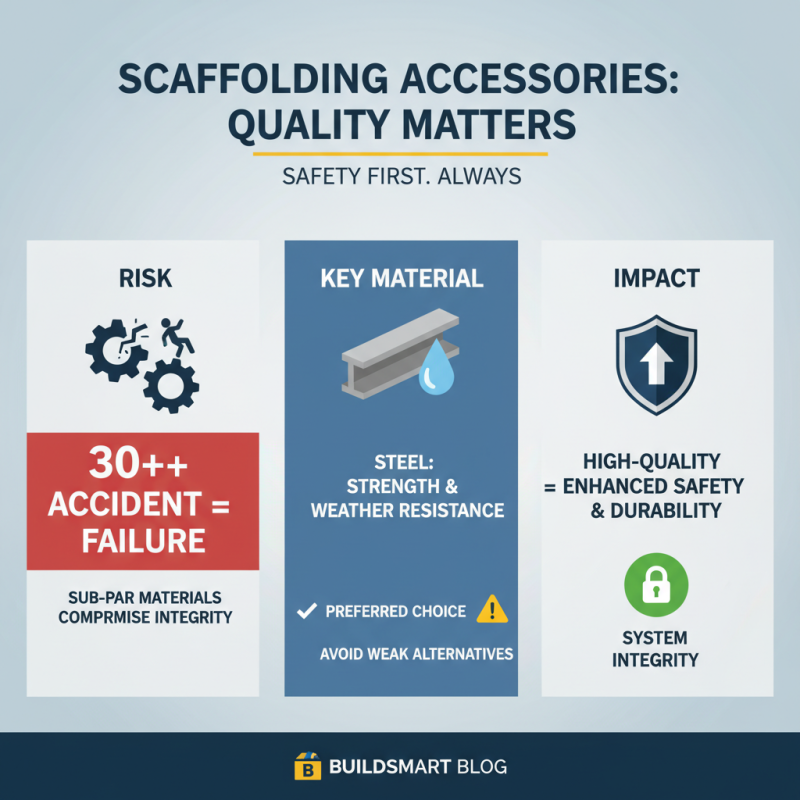
It’s also important to evaluate the quality of materials used for these accessories. Poorly made components can compromise safety.
A robust steel composition will resist bending and corrosion over time. However, not all accessories are created equal. You might find some parts that seem affordable,
but they can lack durability. It's worth asking for specifications and comparing options.
Worn or damaged accessories should not be overlooked. Replacing them promptly can prevent accidents.
Always inspect for rust or cracks before use. This task can sometimes be neglected on job sites, but it’s vital for worker safety.
The effectiveness of ringlock scaffolding heavily relies on the integrity of its components. Understanding this will help in making informed decisions.
Factors to Consider When Choosing Accessories for Ringlock Scaffolding
When choosing accessories for ringlock scaffolding, several factors come into play. Quality is essential. Look for materials that can withstand heavy loads and harsh weather. Accessories should be durable yet lightweight for easy handling. Check the specifications provided. They guide you on weight limits and other essential details.
Compatibility is another critical factor. Ensure the accessories work well with your existing scaffolding system. Sometimes, mismatched parts can lead to safety issues. Pay attention to the design. Some accessories may look good but lack functionality.
Lastly, consider ease of assembly. Accessories should be easy to install and remove. Complicated setups can cause delays and frustrations on the job site. After each use, evaluate if the accessories performed well. This reflection helps in future purchases and sets a standard for your scaffolding needs.
Choosing the Best Ringlock Scaffolding Accessories
Safety Standards and Regulations for Ringlock Scaffolding Items
When selecting ringlock scaffolding accessories, understanding safety standards is crucial. The American National Standards Institute (ANSI) emphasizes structural integrity and load-bearing capabilities. Scaffolding must support four times the maximum intended load. This ensures stability and worker safety. In 2020, a report showed that 65% of scaffolding failures were linked to inadequate compliance with safety standards.
Regular inspections are vital. Inspect for rust, bends, or damage. These can weaken the structure. According to OSHA, nearly 4,000 injuries occur annually due to scaffolding accidents. Using accessories that meet safety regulations is essential. Look for components that are certified by recognized organizations.
Tip: Always check the load capacity labels for each accessory. They provide crucial information about safe use. Choosing high-quality components can seem daunting. However, take the time to verify specifications. This small effort can prevent accidents and save lives. Remember, cutting corners on scaffolding safety is never worth the risk.
Compatibility and Versatility of Accessories in Ringlock Systems
When selecting accessories for ringlock scaffolding, compatibility is vital. The right accessories ensure that the system is reliable and safe. Accessories should be designed to fit seamlessly with the ringlock connectors. This prevents any potential wobbling or structural weaknesses. Choosing accessories that are versatile and adaptable to various projects is also crucial. They should cater to different heights, loads, and configurations.
Versatility means using the same accessories in multiple scenarios. For instance, a versatile brace can be applied in both straight and angled positions. This adaptability saves time and money. However, not all accessories may fit every situation perfectly. It’s essential to review the specifications closely. Occasionally, you might find that some accessories don’t perform as expected in unique setups. Reflection on past projects can offer insights into what worked and what didn’t. This process can significantly enhance decision-making for future purchases. Focus not only on compatibility but also on the accessory's flexibility in different construction contexts.
How to Choose the Best Ringlock Scaffolding Accessories? - Compatibility and Versatility of Accessories in Ringlock Systems
| Accessory Type |
Material |
Compatibility |
Load Capacity (kg) |
Versatility |
| Base Plate |
Steel |
Compatible with various Ringlock configurations |
200 |
High versatility for different terrains |
| Ringlock Bracket |
Aluminum |
Fits all standard Ringlock verticals |
150 |
Can be used for various platform setups |
| Diagonal Brace |
Steel |
Compatible with both standard and heavy-duty systems |
300 |
Essential for stability in various setups |
| Platform Deck |
Plywood with steel edges |
Fits all Ringlock frames |
250 |
Multiple configurations for safe working areas |
| End Guardrail |
Steel |
Compatible with Ringlock guardrail systems |
N/A |
Ensures safety across all platforms |

 +86 18531742341