How to Choose the Right Scaffolding Tower for Your Construction Project
When embarking on a construction project, the choice of scaffolding is a pivotal decision that can significantly impact both efficiency and safety on site. In the words of industry expert John Stevens, a respected authority in architectural engineering, "Selecting the right Scaffolding Tower is not just about meeting the height requirements; it's about ensuring the safety and productivity of your team.” As projects grow in complexity, the need for versatile and robust scaffolding solutions becomes increasingly apparent.
The right Scaffolding Tower not only provides essential access for workers but also plays a critical role in the overall risk management strategy of any construction endeavor. With numerous options available on the market, understanding the key features and specifications that align with your project needs is essential. This guide aims to shed light on the critical factors that should influence your selection process, drawing on insights from experts and real-world applications within the industry.
As we navigate through the top 5 Scaffolding Towers of 2025, it is crucial to remain informed about evolving technologies, safety standards, and practical functionalities. This knowledge will empower construction managers and workers alike to make informed decisions that contribute to a successful project outcome.
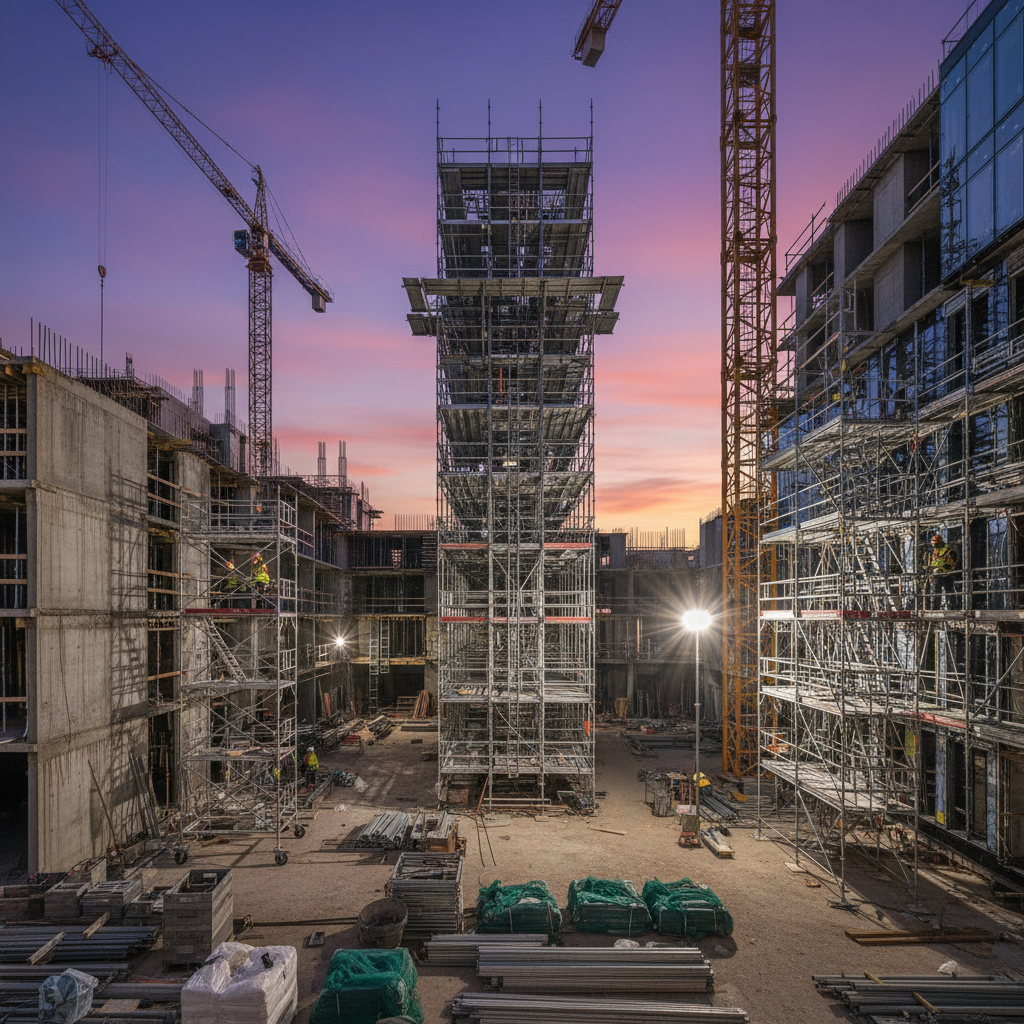
Understanding Different Types of Scaffolding Towers and Their Uses
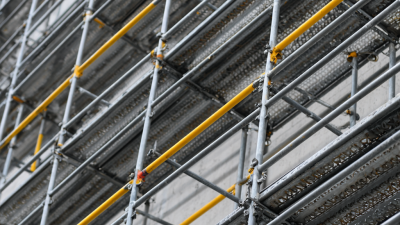
When selecting a scaffolding tower for your construction project, understanding the different types available is crucial. The most common types include frame scaffolding, modular scaffolding, and mobile scaffolding towers. Frame scaffolding, often used for residential buildings, consists of pre-fabricated frames that are easy to assemble and disassemble. This type is ideal for projects requiring a stable and robust structure.
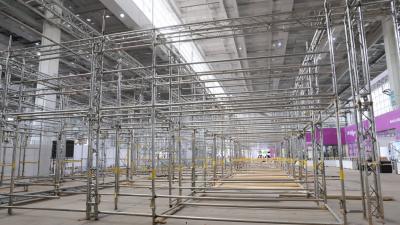
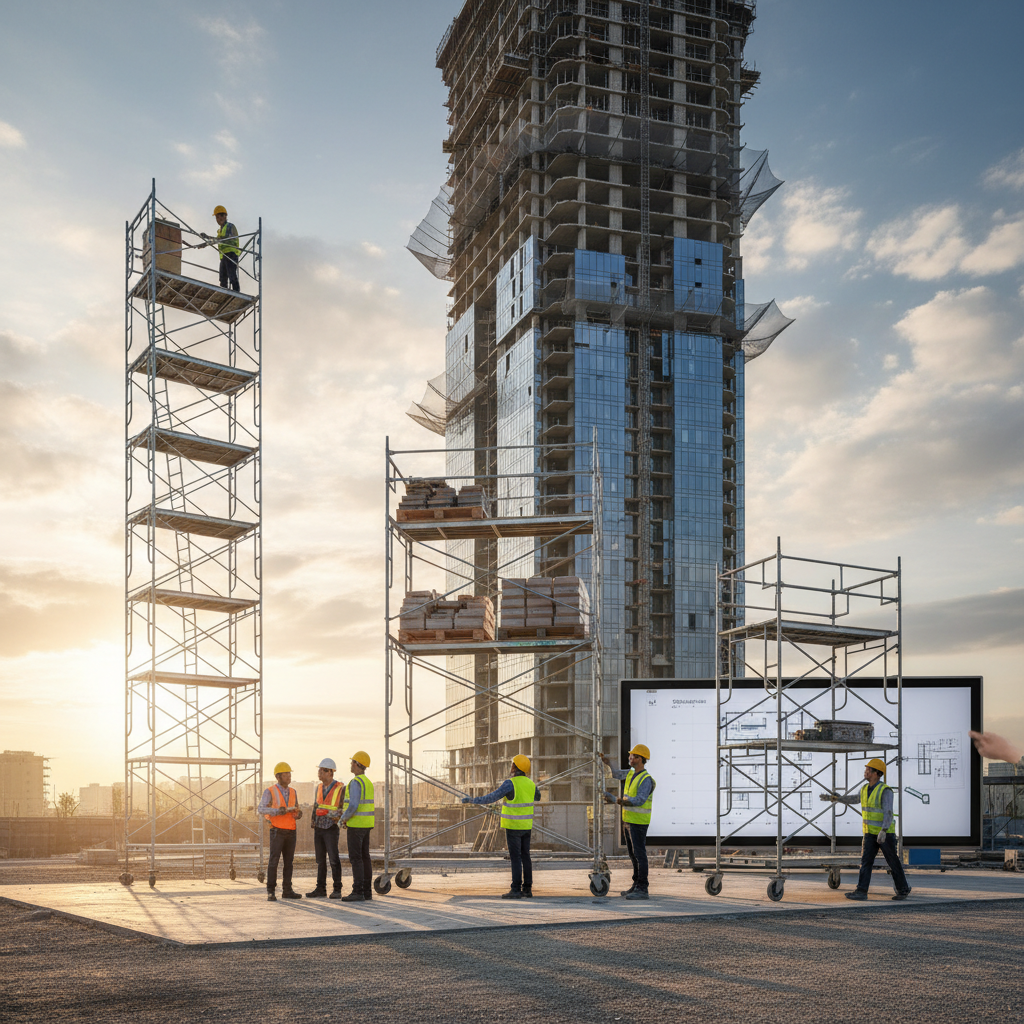
Modular scaffolding offers versatility and flexibility, as it can be configured in various shapes and heights. This makes it suitable for complex building projects or renovations where unique configurations are required. On the other hand, mobile scaffolding towers are equipped with wheels, making them easy to move around the job site. They are ideal for tasks that require short-term access to heights, such as painting or maintenance work.
Each type of scaffolding tower has its specific applications, advantages, and limitations. It’s essential to consider the nature of your project, the height requirements, and the duration for which you will need the scaffolding. By understanding these differences, you can make an informed choice that enhances both safety and efficiency on your construction site.
Key Factors to Consider When Selecting a Scaffolding Tower
When choosing the right scaffolding tower for a construction project, there are several key factors to consider to ensure safety, efficiency, and suitability for specific tasks. First, assess the height requirements of your project. Scaffolding towers come in various heights, and selecting the right one is essential for accessing elevated areas safely. Additionally, consider the weight capacity needed, as the tower must support not only the workers but also any tools and materials they will be using.
Another critical factor is the material of the scaffolding. Options typically include aluminum and steel, each with distinct advantages. Aluminum is lightweight and easier to assemble, making it a good choice for smaller jobs or when portability is a priority. Conversely, steel scaffolding towers offer greater strength and durability, which is essential for heavy-duty projects. Lastly, ensure compliance with relevant safety standards and regulations to avoid any legal issues and keep all personnel safe throughout the construction process.
Safety Regulations and Compliance for Scaffolding Tower Usage
When selecting a scaffolding tower for your construction project, understanding
safety regulations and compliance standards is paramount. According to the
Occupational Safety and Health Administration (OSHA), falls account
for nearly 39% of all construction fatalities, making compliance with safety standards crucial in reducing these statistics.
Adhering to guidelines set forth in OSHA's Scaffolding Standards (29 CFR 1926.451) ensures that scaffolding is erected,
maintained, and dismantled following established safety measures, which can significantly lower the risk of accidents on-site.
Additionally, the American National Standards Institute (ANSI) provides comprehensive
safety requirements for scaffolding usage, emphasizing the importance of using equipment that meets specific load-bearing
capacities. For example, ANSI A92.24 outlines safety protocols for mobile scaffolding towers, highlighting the need for
regular inspections and ensuring all components are suited for the intended load. Implementing these standards not only
protects workers but also aligns with increased insurance premiums associated with workplace accidents. Therefore, investing
in compliant scaffolding towers is essential for both operational safety and fiscal responsibility
within any construction project.
Comparing Material Options for Durability and Stability in Scaffolding
When selecting a scaffolding tower for your construction project, understanding the material options available is vital for ensuring
durability and stability. Common materials used in scaffolding include aluminum, steel, and wood,
each offering distinct advantages and disadvantages.
Aluminum scaffolds are lightweight and resistant to rust, making them ideal for projects requiring mobility and ease of transport.
However, they may not provide the same load-bearing capacity as steel options.
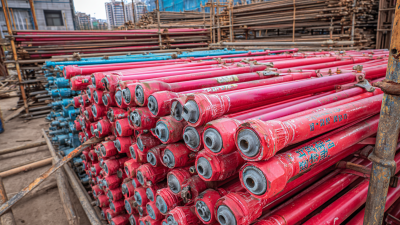
Steel scaffolding, while heavier, boasts exceptional strength and durability, making it suitable for heavier construction tasks.
Its resilience against various weather conditions ensures long-term stability, but it may require regular maintenance to prevent corrosion.
On the other hand, wooden scaffolding, though less common today, can be a practical choice for specific applications where traditional aesthetics are desired.
It offers decent stability but is generally not as durable as metal options and may be susceptible to rot and decay if not adequately treated.
Evaluating these material options carefully can greatly influence the success and safety of the construction project.
Budget Considerations: Finding Cost-Effective Scaffolding Solutions
When selecting a scaffolding tower,
budget considerations play a crucial role in ensuring cost-effective solutions without compromising
safety and efficiency.
According to a report by Freedonia Group, the scaffolding market is projected to reach $4.5 billion by 2025,
with a compound annual growth rate (CAGR) of 3.2%.
This growth reflects an increasing adoption of scaffolding in construction due to its essential role in maintaining
site safety and improving workflow.
Choosing the right scaffolding requires evaluating not only the initial costs but also the long-term value.
For example, investing in high-quality materials—while initially more expensive—can reduce replacement and
maintenance costs significantly. Industry data suggests that low-quality scaffolding can lead to a maintenance
overhead of up to 30% more over its lifecycle. Furthermore, it is essential to consider
rental versus purchase options. A study by IBISWorld indicates that about
60% of scaffolding used in the field is rented, highlighting the importance
of understanding project timelines and budgets to make informed decisions that align with financial constraints
and project needs.

 +86 18531742341